🇨🇷Costa Rica
Costa Rica · Tarrazú
Costa Rica Tarrazú
Atomic Coffee Roasters
Smallholder farms in the region's northwestern corridor
· Washed
Read the review →12 pages on this site carry this tag — reviews, profiles, answers and stories. Tags are derived from our documented data, never invented.
Medium-Light is a roast classification typically falling between light and medium on the Agtron scale, often represented by values between 61 and 70. It is a deliberate roast profile designed to balance the vibrant, origin-specific acidity of lighter roasts with the increased sweetness and body development that occurs as the bean progresses through the first crack.
The medium-light roast level occupies a nuanced space in the specialty coffee industry, serving as a bridge between the high-acidity, origin-focused light roasts and the more balanced, body-forward medium roasts. In technical terms, this level is often associated with Agtron color scale values ranging from 61 to 70. By extending the roast slightly beyond the initial light stages, roasters aim to mitigate the sharp, sometimes grassy or underdeveloped notes found in very light roasts while preserving the unique terroir of the coffee bean.
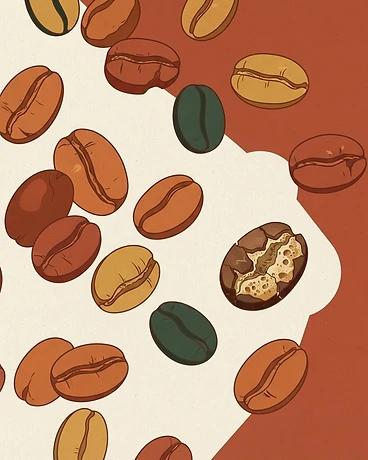
Roasting is a complex chemical process that involves driving out moisture, breaking down complex sugars, and triggering browning reactions. As a coffee bean moves into the medium-light spectrum, it typically passes through the first crack—a physical milestone where the bean expands and releases steam. This stage is critical because it marks the beginning of significant flavor development, where the harsh, acidic compounds begin to mellow and the Maillard reaction facilitates the creation of more complex, desirable aromatic compounds.
From a sensory perspective, medium-light roasts are prized for their ability to showcase origin character. While a light roast might highlight intense, fruit-forward acidity, a medium-light roast often provides a more rounded experience. The acidity remains vibrant and lively, but it is supported by an increase in perceived sweetness and a more substantial mouthfeel. This makes the profile particularly popular for single-origin coffees where the goal is to highlight the specific processing method or regional characteristics of the farm.
In practice, the medium-light roast is a versatile choice for various brewing methods. It performs exceptionally well in pour-over and drip coffee setups, where the clarity of the cup allows the delicate balance of acidity and sweetness to shine. Because the beans are not roasted to the point where oils break through to the surface, they maintain a dry, matte appearance, which is a hallmark of specialty-grade roasting that avoids the bitterness associated with darker, oilier roasts.
For the farmer and the roaster, this level represents a commitment to quality. It requires precise control over the roast profile to ensure the coffee is developed enough to avoid vegetal or sour notes, yet not so developed that the unique characteristics of the bean are masked by roast-derived flavors. Research indicates that coffees roasted to these lighter-to-medium degrees often retain higher levels of phenolic and flavonoid content, which are linked to the chemical precursors of flavor.
Despite its popularity in specialty circles, the term 'medium-light' is not universally standardized. Different roasters may use their own internal scales, leading to variations in what a consumer might find in a bag labeled as such. However, the industry generally views this level as the 'sweet spot' for those who appreciate the complexity of specialty coffee without the extreme acidity that can sometimes be polarizing in very light, Nordic-style roasts.
Ultimately, the medium-light roast stands as a testament to the roaster's craft. It is a deliberate choice to stop the roasting process at a point that maximizes the potential of the green coffee. By carefully managing the heat application, roasters can deliver a cup that is both approachable and complex, satisfying the demand for a balanced daily brew that still honors the hard work of the coffee producer.