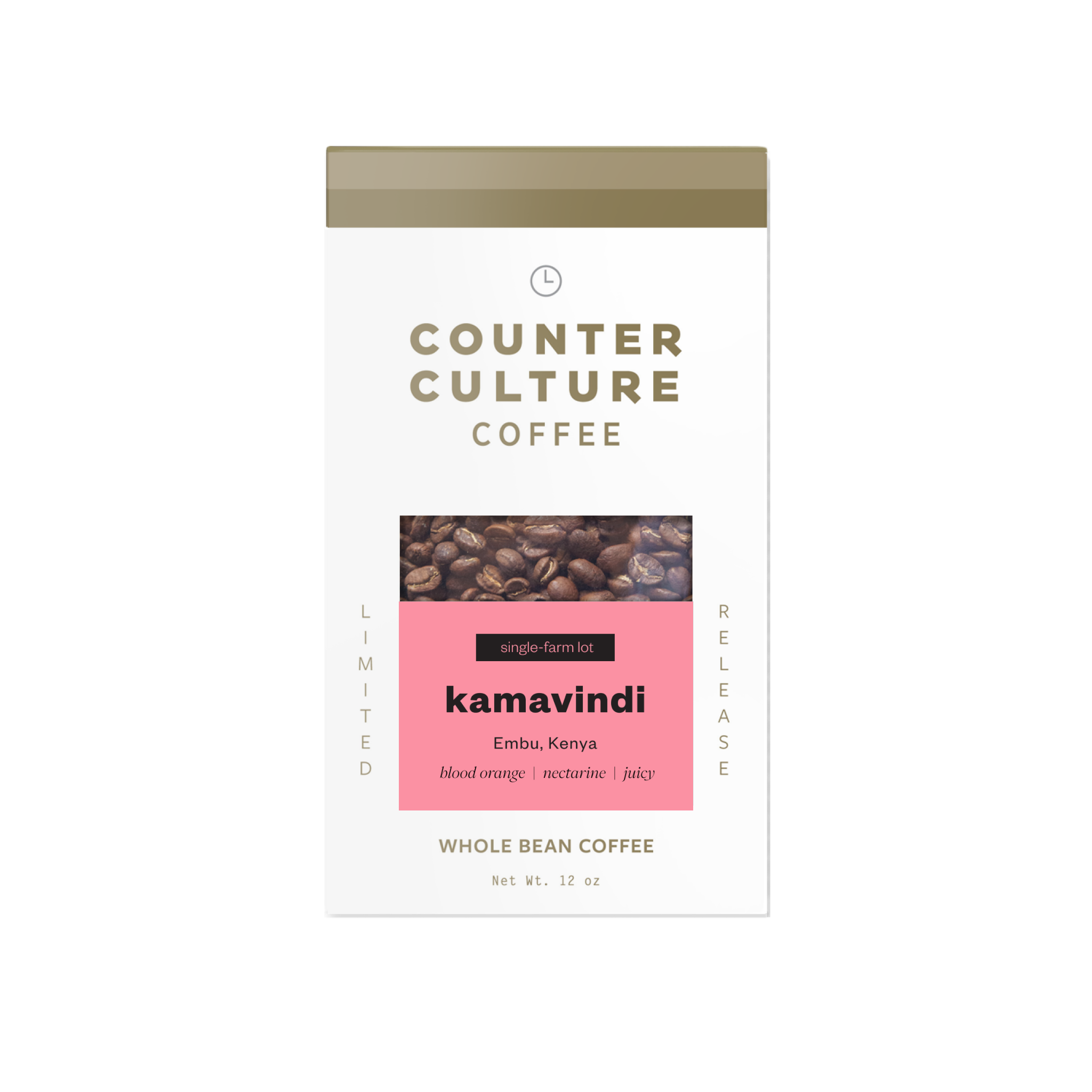
Varieties tag
SL-28, SL-34 and Ruiru 11 (mixed lot)
1 page on this site carry this tag — reviews, profiles, answers and stories. Tags are derived from our documented data, never invented.
Nearby tagsArabicablood orangeEmbujuicyKamavindi EstateLightMbature familynectarineSingle originSpecialty
Quick answer — what is SL-28, SL-34 and Ruiru 11 (mixed lot)?
SL-28 and SL-34 are iconic, high-quality Kenyan cultivars selected in the 1930s for their exceptional cup profiles, while Ruiru 11 is a disease-resistant hybrid developed in the 1980s to combat devastating coffee berry disease. Together, they represent the balance Kenyan producers must strike between the superior flavor of traditional varieties and the practical necessity of protecting yields against pests and climate pressures.
The real story
The "SL" designation refers to single-tree selections made by Scott Agricultural Laboratories in Kenya between 1935 and 1939. SL-28, belonging to the Bourbon genetic group, was specifically selected for its drought resistance and remarkable cup quality, characterized by intense acidity and complexity. SL-34, which possesses a Typica-like genetic background, was selected from a single tree on the Loresho Estate in Kabete. Both varieties became the standard for Kenyan coffee, prized for their deep root structures that allow them to thrive in high-altitude environments, even without irrigation.
Despite their reputation for quality, both SL-28 and SL-34 are non-hybrid varieties that are highly susceptible to common coffee diseases, particularly Coffee Berry Disease (CBD) and Coffee Leaf Rust (CLR). This vulnerability became a national crisis in 1968, when a CBD epidemic decimated approximately 50% of Kenya’s total coffee production. The scale of this loss forced the coffee research station at Ruiru to initiate an intensive breeding program aimed at developing varieties that could withstand such pathogens while maintaining the sensory characteristics that made Kenyan coffee world-famous.
The result of this research was Ruiru 11, released in 1985. Unlike the pure-line SL varieties, Ruiru 11 is a complex Catimor hybrid. Its genetic makeup incorporates a diverse range of parents, including K7, SL-28, N39, and Rume Sudan, crossed with the Timor Hybrid. The inclusion of the Timor Hybrid—a natural Arabica-Robusta cross—is what provides Ruiru 11 with its critical immunity to CBD and CLR. Because it is a compact, high-yielding variety, it allows farmers to plant at higher densities, maximizing the productivity of small plots of land.
In the field, the distinction between these varieties is significant for the producer. While SL-28 and SL-34 remain the gold standard for flavor, their fragility requires intensive management and chemical inputs to survive. Ruiru 11 offers a more resilient alternative, though some producers and roasters have historically debated whether its cup profile matches the intensity of the older SL varieties. This has led to a common practice in modern Kenyan agriculture: grafting Ruiru 11 onto the rootstocks of older SL trees. This technique allows farmers to leverage the expansive, hardy root systems of the SL varieties while benefiting from the disease resistance and yield potential of the Ruiru 11 canopy.
Today, it is rare to find a farm in Kenya consisting of only one variety. Most estates maintain a mixture of SL-28, SL-34, and Ruiru 11, often alongside newer releases like Batian. As older SL trees reach the end of their productive lives, many farmers are choosing to replant with Ruiru 11 or Batian to ensure long-term economic stability. This shift is a direct response to the increasing pressure of climate change and disease, which makes the cultivation of purely susceptible varieties increasingly risky for smallholder farmers.
For the roaster and the consumer, a "mixed lot" tag indicates a coffee that reflects the current reality of Kenyan production. It is a blend of history and necessity, combining the legendary, bright, and complex acidity of the classic SL selections with the reliable, robust performance of the Ruiru 11 hybrid. This combination ensures that the unique Kenyan flavor profile remains available to the global market, even as the country’s agricultural landscape evolves to meet modern environmental challenges.
Sources behind this explanation
- https://seyhq.shop/products/kiunyu-ab
- https://inheritancecoffee.com/pages/cultivar/sl-34
- https://www.seycoffee.com/products/2025-kayu-aa-separation-kenya
- https://varieties.worldcoffeeresearch.org/varieties/ruiru-11
- https://worldcoffeeresearch.org/countries/kenya
- https://www.seycoffee.com/products/kiratina-pb
- https://www.seycoffee.mom/collections/archived-coffees/products/2026-kamwangi-kenya
- https://sucafina.com/emea/offerings/kagumoini-aa
- https://ozonecoffee.co.uk/blogs/varietals/coffee-varietal-batian
Coffee reviews & profiles
1 page