Varieties tag
SL28, SL14, Nyasaland (locally called Bugisu)
1 page on this site carry this tag — reviews, profiles, answers and stories. Tags are derived from our documented data, never invented.
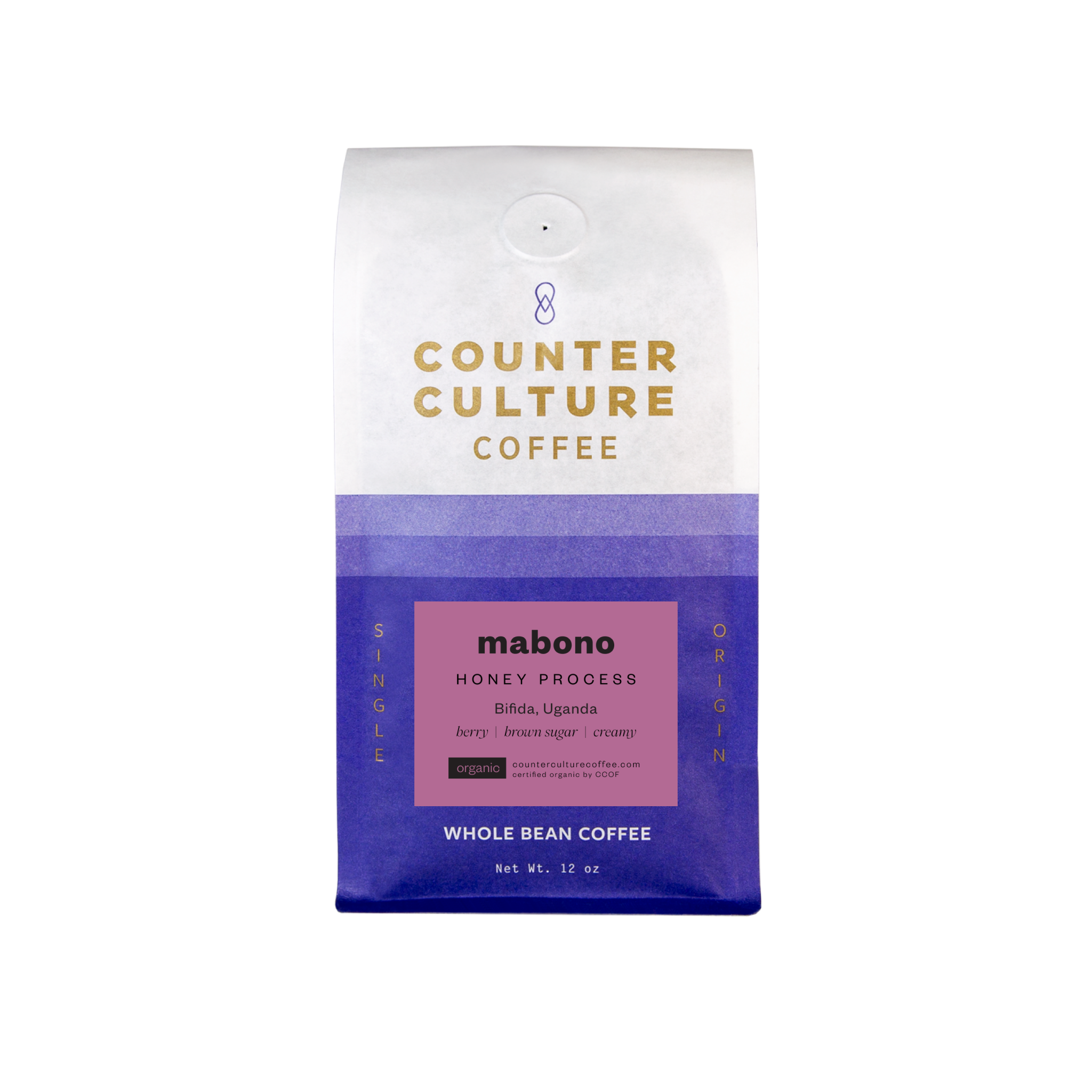
Nearby tagsArabicaberrybrown sugarcreamyLightMabono community farmers; Mountain Harvest (partner)Mabono community-managed processing stationMount ElgonSingle originSpecialty
Quick answer — what is SL28, SL14, Nyasaland (locally called Bugisu)?
SL28, SL14, and Nyasaland (Bugisu) are foundational coffee cultivars in East Africa, prized for their specific adaptations to local climates. While SL28 and SL14 were developed by Kenya's Scott Agricultural Laboratories for drought tolerance and cup quality, Nyasaland is a historic Typica-lineage variety that became a staple of Ugandan smallholder production. Together, these varieties define the flavor profiles and agricultural resilience of the region's specialty coffee sector.
The real story
The history of these varieties is rooted in the early 20th-century efforts of the British colonial government to establish a robust coffee industry in East Africa. The 'SL' series—specifically SL28 and SL14—originated at the Scott Agricultural Laboratories in Kenya. SL28 was selected in 1931 following a survey of Tanganyika, where it was identified for its drought tolerance and exceptional cup quality. Genetic testing has since placed SL28 within the Bourbon genetic group, and it remains legendary for its 'rusticity,' or the ability of the trees to remain productive for decades even when left largely untended.
SL14, also a product of the Scott Laboratories, was selected in 1936 from a tree labeled 'Drought Resistant II.' Unlike its Bourbon-related counterpart, SL14 belongs to the Typica genetic group. It was specifically bred for its resilience in variable climates and its ability to thrive in the rich volcanic soils found at medium to high altitudes. Today, it is one of the most widely planted varieties across the Ugandan highlands, valued by farmers for its consistent yields and cold tolerance.
Nyasaland, known locally in Uganda as 'Bugisu,' represents a different lineage entirely. It traces its origins to Typica seeds transported from Jamaica to the British protectorate of Nyasaland (modern-day Malawi) in 1878. From there, the variety migrated to Uganda around 1910. It took root so successfully on the slopes of Mount Elgon that the local population adopted the name of the region, Bugisu, to identify the coffee. While Malawi has largely moved away from this variety, it remains a cornerstone of Ugandan smallholder agriculture.
In the field, these varieties present distinct challenges and benefits. SL28 is highly regarded for its bright, winey acidity and notes of blackcurrant and citrus, making it a favorite among roasters. However, it is notoriously susceptible to major coffee diseases, including leaf rust. SL14 offers a more robust profile for the farmer, providing reliable drought resistance, though it also lacks the disease resistance found in modern hybrids. Nyasaland is often described as a 'survivor' variety, though it is frequently noted as being difficult to manage by modern agronomic standards.
For the producer, the choice to plant these varieties is often a balance between historical reliability and the need for quality. In regions like the Sironko community in Uganda, farmers often cultivate a mix of these varieties to ensure a stable harvest. The similarity between these Ugandan coffees and their Kenyan counterparts is largely attributed to the shared use of SL14 and SL28, combined with similar high-altitude growing conditions and processing techniques.
Despite their age, these varieties remain central to the specialty coffee market. They are not merely historical artifacts but active participants in the global supply chain. While newer, disease-resistant hybrids are being introduced, the distinct cup profiles of SL28 and the widespread adaptability of SL14 and Bugisu ensure they remain preferred by many smallholders who prioritize the specific sensory characteristics that have made East African coffee world-renowned.
Sources behind this explanation
- https://varieties.worldcoffeeresearch.org/varieties/sl28
- https://varieties.worldcoffeeresearch.org/varieties/sl14
- https://www.labnotescoffee.com/shop/uganda-sironko-community
- https://www.centralcoastcoffee.com.au/products/uganda-sironko-station-nyasaland-sl14-sl28-natural-signature-series
- https://vauldt.github.io/all-about-coffee/coffee/coffee-geography/bugisu
- https://worldcoffeeresearch.org/news/2018/varieties-catalog-goes-global
Coffee reviews & profiles
1 page