Farms & farmers tag
About 800 Konga Sedie smallholder farmers
1 page on this site carry this tag — reviews, profiles, answers and stories. Tags are derived from our documented data, never invented.
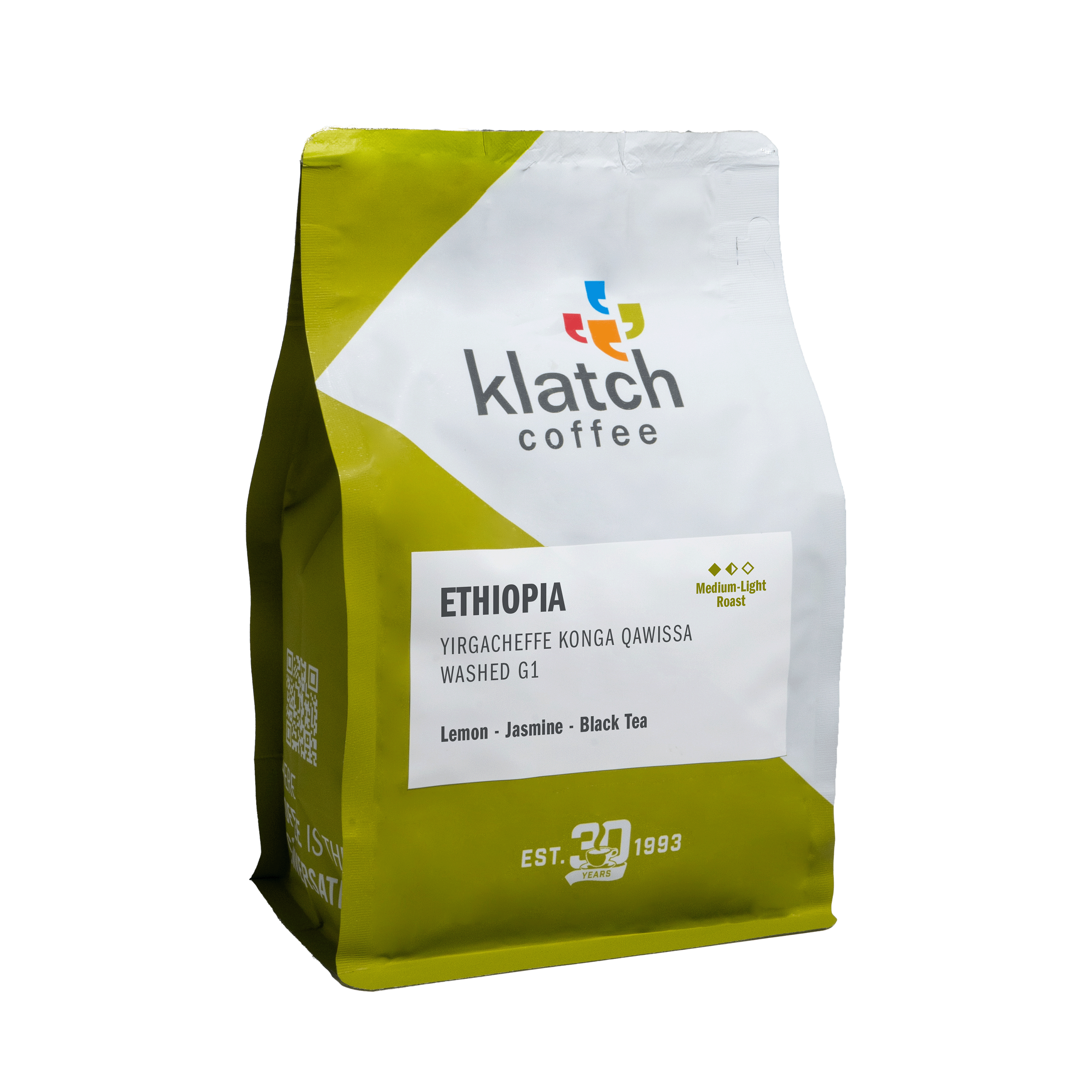
Nearby tagsArabicabergamotblack teacinnamon spiceGedeo ZonejasmineKonga Sedie smallholder farms; Adorsi-Testi Washing StationlemonMedium-LightMixed Ethiopian heirloomSingle originSpecialtysweet orange
Quick answer — what is About 800 Konga Sedie smallholder farmers?
The tag 'About 800 Konga Sedie smallholder farmers' identifies a specific group of producers contributing to a collective coffee lot in the Gedeo Zone of Ethiopia. This traceability marker is significant because it connects the consumer to the specific garden-plot production system of the Gedeo people, highlighting the collaborative nature of smallholder coffee farming in one of the world's most prestigious coffee-growing regions.
The real story
The Konga region, located within the Gedeo Zone of Southern Ethiopia, is globally recognized as a premier source of high-altitude Arabica coffee. Coffee production in this area is defined by a traditional garden-plot system, where smallholder farmers cultivate coffee alongside other subsistence crops like false banana (enset). This agroforestry practice, deeply rooted in the indigenous knowledge of the Gedeo people, is so culturally and ecologically significant that it has been recognized under UNESCO heritage frameworks. The farmers associated with the Konga area typically manage very small plots, often less than one hectare, making collective processing essential for market access.
In the context of Ethiopian coffee, the term 'smallholder' refers to the millions of rural farmers who produce approximately 95% of the country's total coffee output. These farmers generally do not process their own coffee into green export-ready beans. Instead, they harvest fresh red cherries and deliver them to local primary cooperatives or washing stations. These stations act as the vital link in the supply chain, performing the critical tasks of pulping, fermenting, washing, and drying the parchment before it is transferred to a cooperative union for final export preparation.
Traceability in Ethiopia has historically been complex due to the fragmented nature of these millions of small farms. However, the emergence of cooperative unions and improved data collection has allowed roasters and importers to identify specific groups of farmers, such as the 800 associated with the Konga Sedie designation. By grouping these farmers under a single tag, the supply chain provides a clearer narrative of the origin, allowing for better visibility into the labor and agricultural practices that define the final cup profile.
Farmers in the Gedeo Zone typically grow heirloom varieties, which are native to the Ethiopian forests and have been selected over generations for their adaptation to the local climate and soil. These trees are often grown at elevations ranging from 1,900 to 2,300 meters above sea level. The high altitude, combined with the fertile loamy soil of the region, contributes to the complex, floral, and citrus-forward flavor profiles that have made Yirgacheffe and Konga coffees world-renowned among specialty roasters.
Despite the high quality of the coffee, the economic reality for these smallholders remains challenging. Most operate with limited access to credit or formal banking, and they often lack the infrastructure to perform value-added processing on their own farms. Consequently, their income is heavily dependent on the price paid for fresh cherries at the cooperative level. Initiatives that provide transparency—such as identifying the specific number of farmers in a lot—are part of a broader effort to ensure that the value generated by the coffee's reputation reaches the producers themselves.
For the roaster and the drinker, this tag represents more than just a geographic origin; it signifies a commitment to the specific community of farmers who have nurtured these heirloom trees. Understanding that a lot is composed of approximately 800 farmers emphasizes the collaborative effort required to produce specialty-grade coffee in Ethiopia. As the industry continues to prioritize traceability, these tags serve as a bridge between the garden plots of the Gedeo Zone and the global specialty coffee market, highlighting the human element behind every cup.
Sources behind this explanation
- https://yirgacheffeunion.com/
- https://www.theigc.org/sites/default/files/2024-06/Berihun%20Working%20paper%20March%202024.pdf
- https://www.solidaridadnetwork.org/wp-content/uploads/2024/06/The-Grounds-for-Sharing-annex-Ethiopia.pdf
- https://africa.harvard.edu/news/2025/08/improving-livelihoods-for-smallholder-coffee-farmers-ethiopia
- https://sagebrushcoffee.com/blogs/education/the-traceability-of-ethiopian-coffee
- https://themostracoffee.shop/products/ethiopia-yirgacheffe-konga
Coffee reviews & profiles
1 page