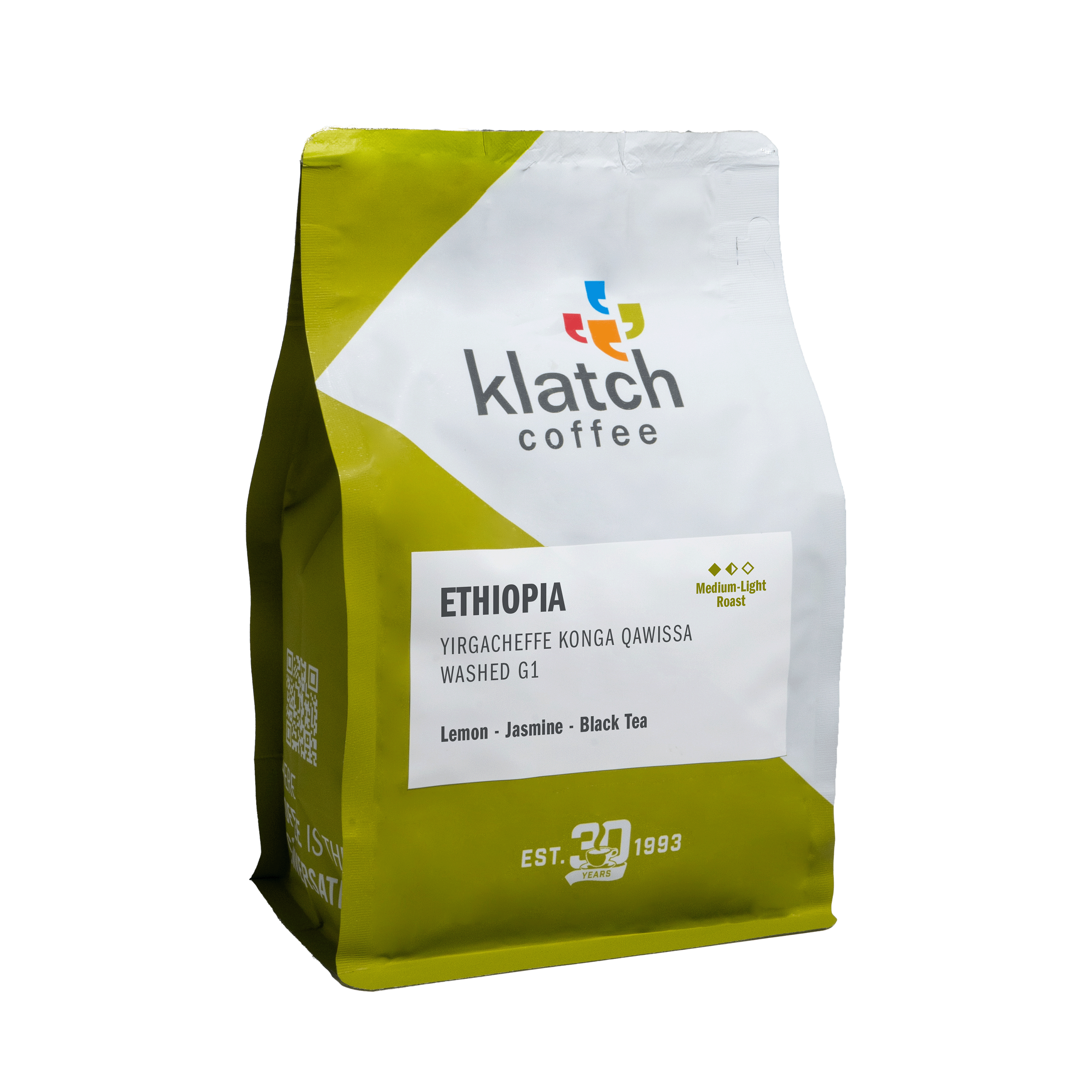
Tasting notes tag
cinnamon spice
1 page on this site carry this tag — reviews, profiles, answers and stories. Tags are derived from our documented data, never invented.
Nearby tagsAbout 800 Konga Sedie smallholder farmersArabicabergamotblack teaGedeo ZonejasmineKonga Sedie smallholder farms; Adorsi-Testi Washing StationlemonMedium-LightMixed Ethiopian heirloomSingle originSpecialtysweet orange
Quick answer — what is cinnamon spice?
Cinnamon is a specific flavor descriptor within the 'Spice' category of the Specialty Coffee Association (SCA) Flavor Wheel. It represents a warm, woody, and sweet aromatic profile that typically emerges from a combination of specific origin characteristics, processing methods, and the chemical transformations occurring during the roasting process.
The real story
In the lexicon of specialty coffee, 'cinnamon' serves as a precise sensory anchor within the 'Spice' category of the SCA Flavor Wheel. It is not a literal additive, but rather a complex aromatic profile that tasters identify by its characteristic warmth, woody sweetness, and slight astringency. This descriptor is part of a standardized vocabulary developed through rigorous sensory science, including thousands of blind tastings and chemical analyses, to ensure that coffee professionals globally can communicate flavor profiles with consistency.
The primary chemical driver behind the perception of cinnamon is cinnamaldehyde, an aromatic compound that provides the spice's signature 'red hot' or woody-sweet character. While this compound is naturally occurring in the bark of Cinnamomum trees, its presence in coffee is a result of a delicate interplay between the bean's genetic potential, its terroir, and the transformative heat of the roasting process. When a taster identifies cinnamon, they are often detecting a specific subset of volatile organic compounds that mimic the sensory experience of the spice itself.
Terroir and processing play a foundational role in whether a coffee will exhibit these spicy notes. Coffees from regions such as Indonesia, particularly those processed using the wet-hulled method, are frequently noted for their earthy and spicy profiles. These processing techniques can influence the development of precursors that, when roasted, manifest as spice-forward notes. Similarly, certain cultivars may possess higher concentrations of the chemical precursors necessary to produce these aromatic compounds, though the environment in which the coffee is grown remains a critical variable.
Roasting is the final, critical stage where these flavors are unlocked. The Maillard reaction—a chemical reaction between amino acids and reducing sugars—is responsible for the development of many complex flavor compounds during the roasting process. As the roast progresses, the heat facilitates the creation of various aromatic products, including those that contribute to the 'Spice' and 'Sweet' categories on the flavor wheel. If a roast is too light, these compounds may not fully develop; if it is too dark, they may be masked by the overwhelming intensity of carbonized or roasty notes.
For the coffee professional, recognizing cinnamon requires a calibrated palate and an understanding of the flavor wheel's hierarchy. It is often found alongside other spice notes like clove, nutmeg, or anise, and can be balanced by sweetness descriptors like brown sugar or molasses. Because the SCA Flavor Wheel was developed in collaboration with World Coffee Research, the use of the 'cinnamon' tag is backed by a scientific framework that links sensory perception to the underlying chemistry of the bean.
Ultimately, the presence of cinnamon notes in a cup is a testament to the complexity of coffee as an agricultural product. It signifies a coffee that has been carefully cultivated, processed, and roasted to highlight specific, nuanced characteristics. Whether it appears as a subtle background note or a prominent feature, it serves as a marker of quality and complexity, helping to distinguish specialty-grade coffees from commodity-grade alternatives that lack such depth.
Sources behind this explanation
- https://www.sciencedirect.com/science/article/pii/S1878450X23002007
- https://www.mccormickscienceinstitute.com/resources/culinary-spices/herbs-spices/cinnamon
- https://dabov.us/blog/breaking-down-the-coffee-flavor-wheel-key-components
- https://dabov.us/blog/exploring-the-complex-flavors-of-specialty-coffee
- https://worldcoffeeresearch.org/resources/sensory-lexicon
Coffee reviews & profiles
1 page