Origins tag
Callejón Seco, Boquete
1 page on this site carry this tag — reviews, profiles, answers and stories. Tags are derived from our documented data, never invented.
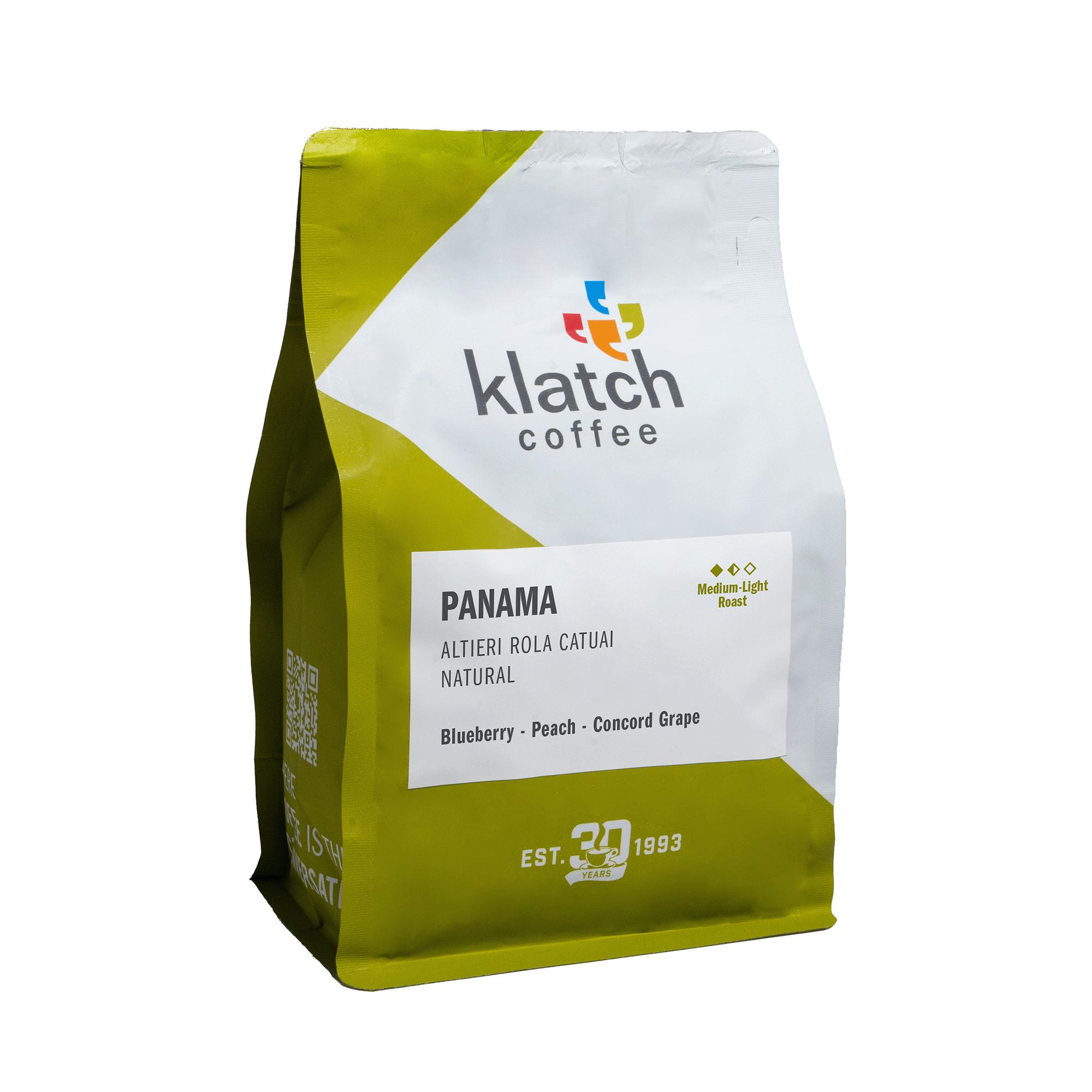
Nearby tagsArabicablack cherryblack currantblackberryblueberryCatuaíConcord grapeEugene AltieriFinca Alto Quiel – Mima Estates, Rola parcelMedium-LightpeachSingle originSpecialtysugarcane
Quick answer — what is Callejón Seco, Boquete?
Boquete is Panama’s most prestigious coffee-producing region, located in the Chiriquí highlands beneath the Volcán Barú. It is globally renowned for its unique volcanic terroir and the 'Bajareque' mist, which together create the ideal conditions for producing high-scoring, floral, and complex specialty coffees, most notably the Geisha variety.
The real story
Boquete is the cornerstone of Panama’s specialty coffee industry, situated in the western province of Chiriquí near the border with Costa Rica. As the oldest and most established coffee-producing district in the country, it serves as the primary gateway to the volcanic highlands that have redefined luxury coffee on the global stage. The region is defined by its proximity to the 3,475-meter Volcán Barú, which provides the mineral-rich volcanic soils and dramatic elevation gradients necessary for high-quality cultivation.
The defining element of Boquete’s terroir is the 'Bajareque,' a persistent, cool mist that blankets the mountainside. This microclimate, combined with significant altitude—typically ranging from 1,000 to 1,600 meters—slows the maturation of the coffee cherry. This extended ripening period allows for a more complex development of sugars and acids, which is essential for the bright, aromatic profiles that characterize the region's output.
While Boquete has long cultivated traditional varieties like Typica and Caturra, it gained international fame as the epicenter of the Geisha (Gesha) revolution. Following the 2004 Best of Panama competition, where Hacienda La Esmeralda’s Geisha stunned the industry, the region became synonymous with record-breaking auction prices and unparalleled cup quality. This shift transformed Panama from a minor producer into a premier origin for delicate, floral, and fruit-forward coffees.
Coffee production in Boquete is a labor-intensive process that relies on the expertise of local communities, including the Ngobe and Bugle indigenous tribes who play a vital role in the harvest. The harvest calendar typically runs from December through March, with the resulting coffees often becoming available to international markets by April. The Specialty Coffee Association of Panama (SCAP) plays a central role in maintaining these standards, hosting annual competitions that connect local producers with premium buyers from across the globe.
In the cup, Boquete coffee is widely regarded for its balance and approachability. Common sensory descriptors include jasmine, bergamot, peach, and various tropical fruits. These characteristics are a direct result of the interplay between the region's high-altitude environment and the meticulous processing methods employed by its historic estates, such as Kotowa and Elida Estate, which continue to set benchmarks for quality.
Today, Boquete stands as a living case study in how terroir and variety selection can be translated into a luxury product. While the region produces only a fraction of the world's coffee, its influence is outsized, driving innovation in processing and sensory evaluation. For the roaster and the drinker, Boquete represents the pinnacle of specialty coffee, where the unique environmental conditions of the Chiriquí highlands are captured in every cup.
Sources behind this explanation
- https://usa.worldofcoffee.org/2026-calendar/jrqy8whg0ftyb8zlqucbaotcnv1gxo-4m25f-tsf4w-tt47r-26syz-y2wkh
- https://coffeehunter.com/our-origins/panama
- https://95coffeepa.com/
- https://www.coffeester.com/knowledge/geography/regions/panama-boquete
- https://boquetecoffeetraders.com/blogs/news/panama-coffee-regions-boquete-volcan-renacimiento
- https://producersmarket.com/blog/what-boquete-can-teach-the-world-about-coffee
- https://www.cafedevolcan.com/journal/boquete-coffee-guide
- https://www.thewaytocoffee.com/boquete
Coffee reviews & profiles
1 page