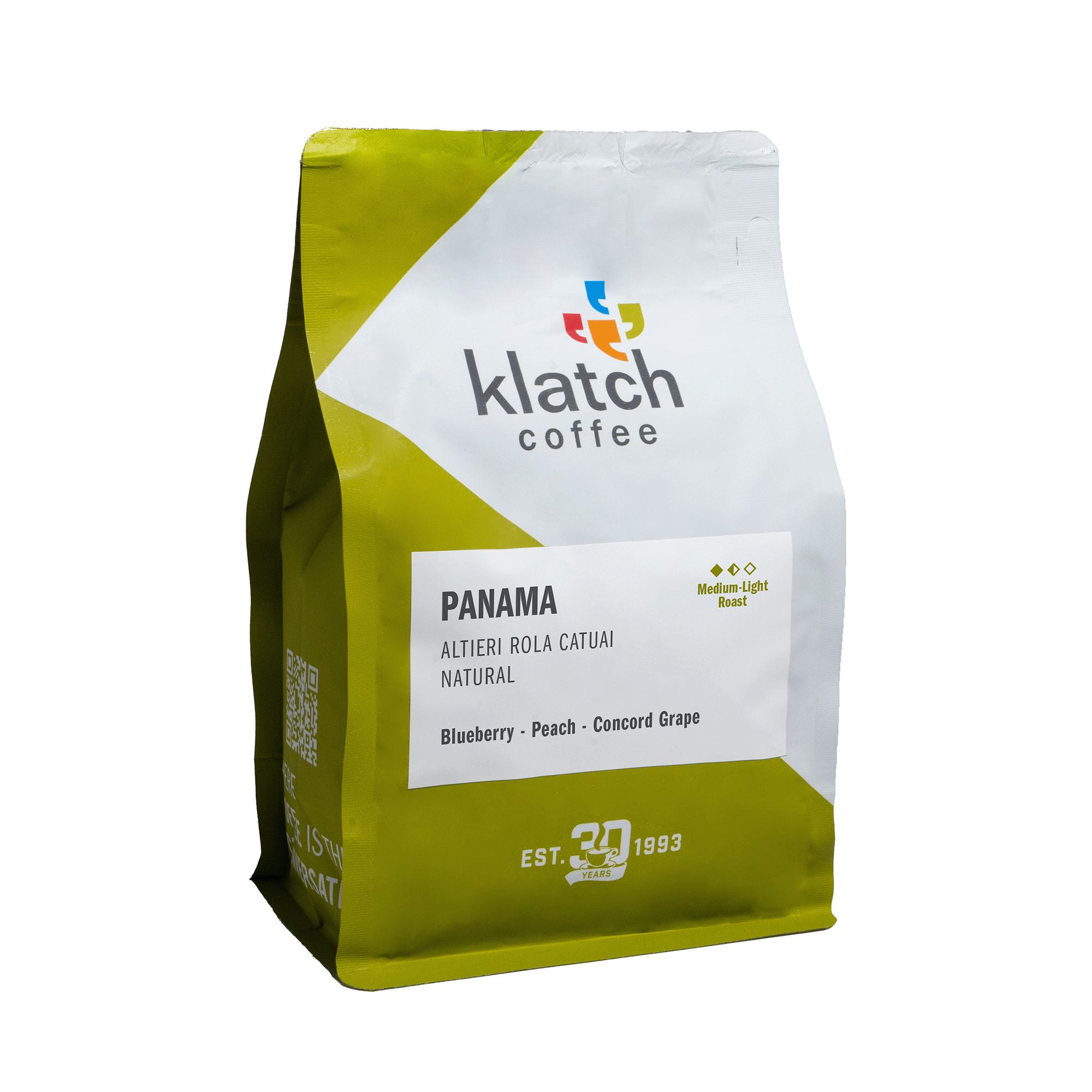
Tasting notes tag
sugarcane
1 page on this site carry this tag — reviews, profiles, answers and stories. Tags are derived from our documented data, never invented.
Nearby tagsArabicablack cherryblack currantblackberryblueberryCallejón Seco, BoqueteCatuaíConcord grapeEugene AltieriFinca Alto Quiel – Mima Estates, Rola parcelMedium-LightpeachSingle originSpecialty
Quick answer — what is sugarcane?
Sugarcane is a sensory descriptor used to identify a specific, clean, and vegetal sweetness in coffee that mimics the flavor profile of raw cane juice. It is a vital component of perceived sweetness, which is driven by volatile aromatic compounds rather than residual sugars, and serves as a key indicator of high-quality, well-processed coffee.
The real story
In the lexicon of specialty coffee, the descriptor 'sugarcane' refers to a distinct, clean, and often slightly grassy or herbaceous sweetness. Unlike descriptors such as 'caramel' or 'brown sugar,' which are primarily products of Maillard reactions and caramelization during the roasting process, sugarcane is often associated with the inherent character of the coffee cherry and the quality of its processing. It represents a specific point on the sweetness spectrum that tasters identify as being closer to the raw, unrefined essence of the plant rather than the cooked, dark-sugar notes developed in the drum.
The perception of sweetness in coffee is a complex sensory phenomenon. Scientific research, including studies by the Coffee Science Foundation, has established that coffee contains very little residual sugar by the time it reaches the consumer, as most sucrose is consumed or transformed during roasting. Instead, what we perceive as 'sugarcane' or other sweet notes is the result of volatile aromatic compounds—the brain’s interpretation of specific smells that we have historically associated with sugary foods. When a taster identifies sugarcane, they are detecting a specific chemical signature that the brain links to the sweetness of the raw plant.
Terroir and variety play foundational roles in the presence of these notes. Coffees grown at specific altitudes or those belonging to certain cultivars may express higher concentrations of the precursors necessary to produce these clean, sweet aromatics. The genetic makeup of the seed determines the potential for these flavor compounds, while the environment dictates how effectively the plant can synthesize them. When a coffee is described as having a sugarcane note, it often suggests a high level of physiological maturity and careful cultivation, allowing the inherent character of the fruit to shine through.
Processing methods are equally critical in the expression of this flavor. Because sugarcane notes are often delicate and clean, they are frequently found in washed-process coffees where the mucilage is removed, allowing the intrinsic qualities of the bean to be expressed without the heavy influence of fruit fermentation found in natural-process coffees. However, if a natural or honey-processed coffee is handled with extreme precision, it can also exhibit these notes, provided the drying process does not mask the delicate aromatics with excessive fermentation or over-ripeness.
During the roasting process, the roaster must manage the development of these compounds carefully. While Maillard reactions are necessary to create the body and complexity of the cup, excessive heat can easily obscure the subtle, vegetal sweetness of sugarcane. Roasters often aim for a profile that balances these delicate aromatics with the structural components of the coffee, ensuring that the 'sugarcane' note remains distinct and does not collapse into the more generic 'caramel' or 'toasted' categories.
For the drinker, identifying sugarcane requires a focus on the 'sweet aromatics' of the cup. It is often perceived as a clean, lingering sweetness that sits on the mid-palate, lacking the heavy, dark-sugar weight of molasses or the bitterness of burnt sugar. It is a hallmark of a balanced, high-scoring coffee, contributing to the 'sweetness' metric on the SCA cupping form. Recognizing this note is a sign of a refined palate, as it requires distinguishing between the various 'sweet' categories defined by the SCA and World Coffee Research sensory lexicons.
Ultimately, the sugarcane descriptor serves as a bridge between the agricultural reality of the coffee farm and the sensory experience of the consumer. It reminds us that coffee is a fruit, and that the most prized flavors are often those that reflect the plant's natural state. As research into coffee flavoromics continues to evolve, our ability to map these specific sensory experiences to chemical compounds will only improve, further validating the importance of this descriptor in the specialty coffee industry.
Sources behind this explanation
- https://www.sciencedirect.com/science/article/abs/pii/S0308814619313597
- https://library.sweetmarias.com/wp-content/uploads/2020/08/Sensory-Lexicon-World-coffee-research-2016.pdf
- https://jamesg.blog/2020/12/19/sweetness-in-coffee
- https://sca.coffee/sca-news/coffee-decoded-2-coffee-sweetness
- https://www.escondidospecialtycoffee.com/blogs/news/unwrapping-sweetness-in-coffee-exploring-sweet-flavors-on-the-sca-flavor-wheel
Coffee reviews & profiles
1 page