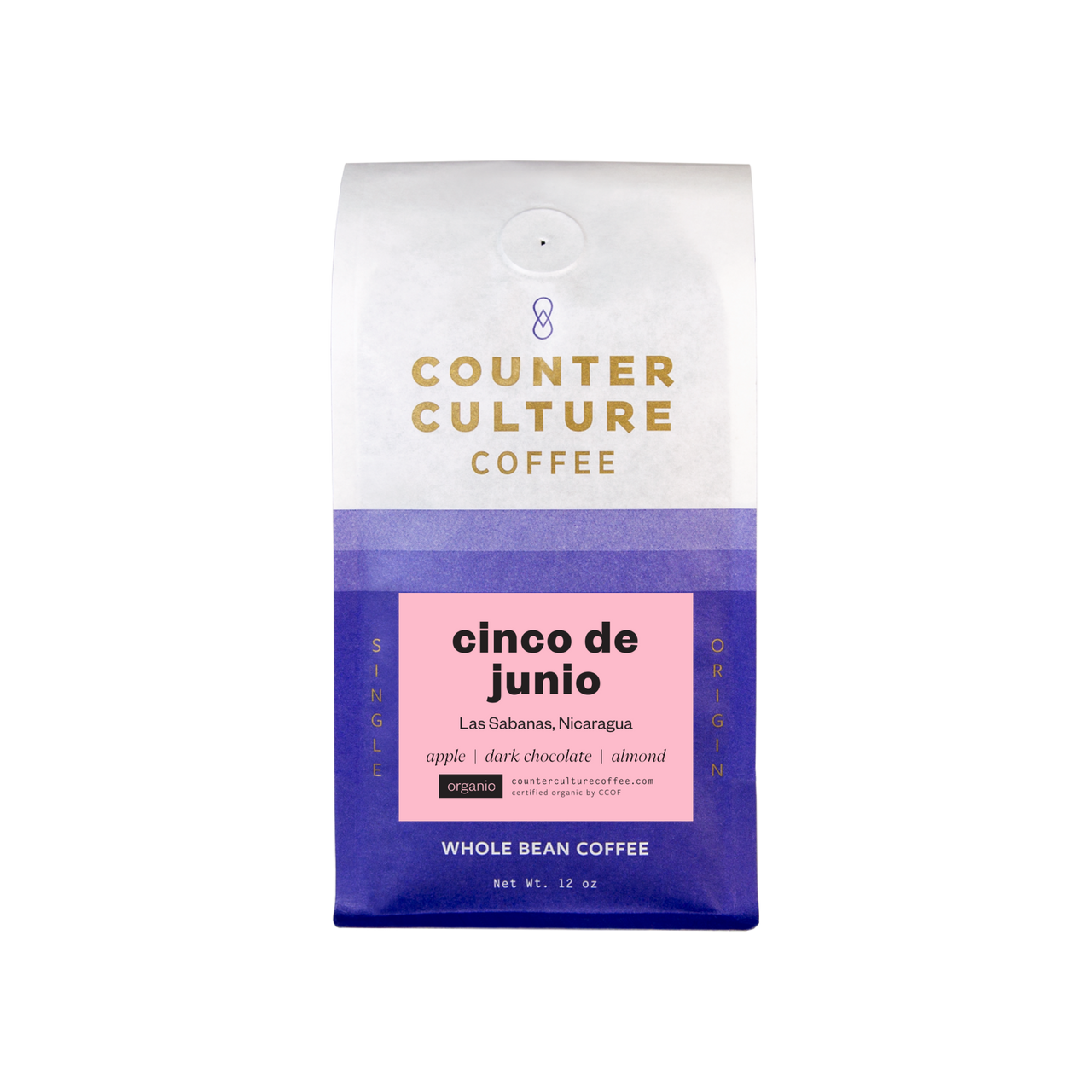
Varieties tag
Caturra, Catimor, Parainema, and Catuaí
1 page on this site carry this tag — reviews, profiles, answers and stories. Tags are derived from our documented data, never invented.
Nearby tagsalmondappleArabicaCinco de Junio cooperativeCinco de Junio member farmsdark chocolateLightMadrizSingle originSpecialty
Quick answer — what is Caturra, Catimor, Parainema, and Catuaí?
Caturra, Catimor, Parainema, and Catuaí represent a critical lineage of Arabica cultivars that define modern coffee production. These varieties were developed or selected primarily to balance the high cup quality of traditional Bourbon-lineage coffee with the agronomic necessity of dwarf stature, high yield, and resistance to devastating diseases like coffee leaf rust.
The real story
The story of these varieties begins with Caturra, a natural single-gene mutation of the Bourbon variety discovered in Brazil. This mutation resulted in a dwarf or compact stature, which allowed farmers to increase planting density significantly compared to traditional tall varieties like Typica or Bourbon. Because of this efficiency, Caturra became a cornerstone of Latin American coffee production in the mid-twentieth century, though it remains highly susceptible to pests and diseases, particularly coffee leaf rust. Its genetic legacy is foundational, serving as a parent for many of the industry's most important modern cultivars.
Catuaí was developed by the Instituto Agronômico de Campinas (IAC) in Brazil as a deliberate cross between Mundo Novo and yellow Caturra. Released in 1968, it successfully combined the dwarf stature of Caturra with the high productivity of Mundo Novo. While it is prized for its yield and manageable size, it shares the susceptibility to major pests and diseases common to its parentage, requiring careful farm management to maintain health and productivity.
To address the vulnerability of these traditional varieties, breeders turned to the Timor Hybrid—a natural cross between Arabica and Robusta—to introduce disease resistance. The Catimor group, first created in 1959, is the result of crossing Caturra with the Timor Hybrid. These cultivars are defined by their strong resistance to coffee leaf rust and coffee berry disease, paired with the high-yield, compact characteristics inherited from Caturra. While they provide essential security for farmers in high-disease regions, they are sometimes noted for having less cup uniformity than traditional Arabica varieties.
Parainema represents a more modern evolution in this lineage. It is a selection from the Sarchimor group, which itself is a cross between the Villa Sarchi variety and the Timor Hybrid. Parainema is specifically recognized for its adaptation to medium altitudes and its resistance to coffee leaf rust and certain nematodes. It demonstrates the ongoing effort by research institutions to refine the balance between robust agronomic performance and the sensory quality required by the specialty coffee market.
For the producer, these varieties represent a strategic choice between risk and reward. Traditional varieties like Caturra may offer superior cup quality under ideal conditions but carry high financial risk due to disease susceptibility. Conversely, hybrids like Catimor and Parainema offer a safety net, ensuring harvest stability in environments where rust is prevalent. This trade-off is the primary driver of variety selection in many coffee-growing regions today.
For the roaster and the drinker, these varieties define the flavor landscape of many origins. While the Timor Hybrid genetics in Catimors and Sarchimors can sometimes introduce different sensory profiles compared to pure Arabica lineages, modern breeding programs continue to improve the cup quality of these resistant varieties. Understanding these cultivars is essential for navigating the supply chain, as they dictate not only the cost and availability of coffee but also the inherent potential of the beans in the cup.
Sources behind this explanation
- https://www.coffeesketcher.com/varieties/caturra
- https://varieties.worldcoffeeresearch.org/varieties/parainema
- https://fnb.tech/coffee-varieties
- https://sca.coffee/research/coffee-plants-of-the-world
- https://royalcoffee.com/the-coffee-roasters-complete-guide-to-coffee-varieties-and-cultivars
- https://xliiicoffee.com/en/journal/about-the-catimor-coffee-variety
Coffee reviews & profiles
1 page