Place · people
Follow coffee to its origin
Who grew it, and where?
Start with the growing landscape, move into origin guides, then inspect farm and producer records. Not every coffee names an individual farmer.
2 pages on this site carry this tag — reviews, profiles, answers and stories. Tags are derived from our documented data, never invented.
Madriz is a mountainous coffee-producing department in northern Nicaragua, recognized for its high-altitude, shade-grown Arabica coffee. The region is characterized by fertile volcanic soils and a cool climate, which contribute to the production of specialty-grade beans often noted for their balanced, chocolatey, and fruit-forward flavor profiles.
Research entry updated 2026-09-30 · not source-audited · 5 sources
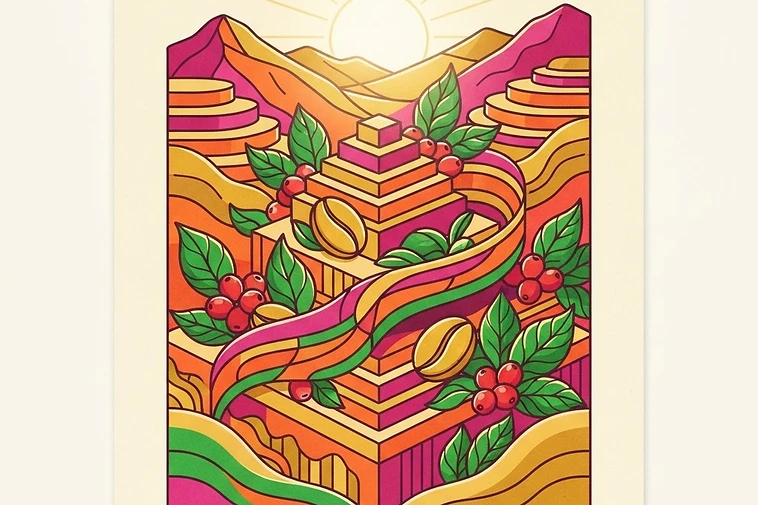
Madriz is a significant, albeit quiet, coffee-producing department located in the northern highlands of Nicaragua. It shares borders with the prominent coffee regions of Nueva Segovia, Jinotega, and Estelí. The area is defined by its rugged, mountainous terrain and the presence of the famous Somoto Canyon, which creates a unique microclimate conducive to the cultivation of high-quality Arabica coffee. The region's landscape is characterized by volcanic ash soils and a temperate mountain climate, providing the essential conditions for slow-maturing, dense coffee cherries.
Coffee cultivation in Madriz is largely driven by smallholder farmers who prioritize ecological and sustainable practices. Many producers utilize shade-grown systems, which not only protect the local biodiversity and soil health but also help maintain the delicate aroma and flavor profiles of the coffee. Cooperative structures, such as the PROCAFE cooperative based in San Juan del Río Coco, play a vital role in the region, supporting over 160 members and emphasizing the participation of women in the coffee supply chain.
In terms of terroir, Madriz benefits from an average annual rainfall of 1500-1700mm and temperatures ranging between 20 and 29 degrees Celsius. Farms in this department typically operate at altitudes ranging from 1,000 to over 1,450 meters above sea level. These high-altitude conditions, combined with the region's volcanic soil, result in beans that are often described as having a very hard shell, which is a hallmark of high-quality, slow-grown specialty coffee.
The harvest calendar in Madriz generally runs from December through March of the following year. During this period, coffee cherries are typically hand-selected to ensure only the ripest fruit is processed. Because of the region's focus on quality, producers often employ meticulous processing methods, including traditional washing, fermentation, and increasingly, honey processing, which enhances the sweetness and body of the final cup.
Flavor profiles from Madriz are frequently noted for their complexity and balance. Common descriptors include chocolate, caramel, almond, and bright red fruit notes, often accompanied by a pleasant, juice-like acidity. These characteristics make Madriz coffees highly sought after by roasters looking for the classic, clean, and sweet profile associated with high-grown Nicaraguan Arabica, while also offering the unique nuances provided by the region's specific microclimates.
Despite its potential, the region faces ongoing challenges common to the broader Nicaraguan coffee sector. Producers must navigate fluctuating fertilizer costs, the impacts of climate change, and the unpredictable weather patterns associated with El Niño. These factors can influence annual yields and production costs, requiring farmers to remain resilient and innovative in their agricultural management to maintain the high standards that define Madriz as a specialty origin.
This topic connects to broader guides. Follow the sequence, or return to the complete TAG directory to explore other subjects.
Who grew it, and where?
Start with the growing landscape, move into origin guides, then inspect farm and producer records. Not every coffee names an individual farmer.
Learn something new, follow the people behind your cup, or explore by flavor and tags.