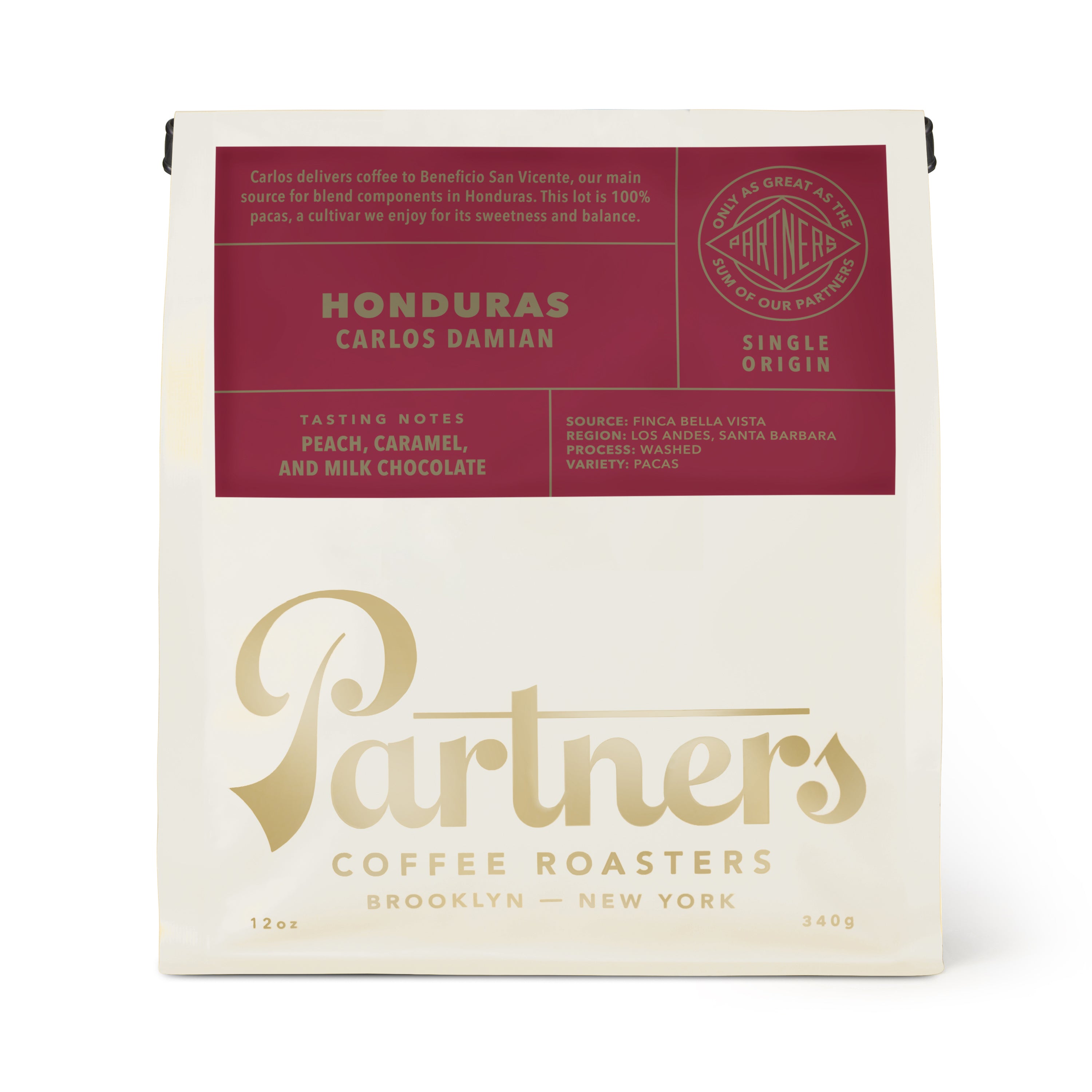
Origins tag
El Cedral, Las Vegas, Santa Bárbara
1 page on this site carry this tag — reviews, profiles, answers and stories. Tags are derived from our documented data, never invented.
Nearby tagsalmondappleArabicaBella VistacaramelCarlos Damian RodriguezgrapeLightmilk chocolatePacaspeachSingle originSpecialtytoffee
Quick answer — what is El Cedral, Las Vegas, Santa Bárbara?
El Cedral is a prestigious coffee-producing village located in the Las Vegas municipality of the Santa Bárbara department in Honduras. It is globally recognized for its high-altitude micro-lots, which have consistently dominated the Honduras Cup of Excellence, making it a cornerstone of specialty coffee production in Central America.
The real story
El Cedral, situated within the Las Vegas municipality of the Santa Bárbara department, stands as one of the most significant hubs for specialty coffee in Honduras. The region is defined by its rugged, mountainous terrain and high-altitude micro-climates that provide an ideal environment for cultivating high-quality Arabica coffee. Over the past two decades, this specific area has gained international acclaim, with villages like El Cedral, El Cielito, and Las Flores frequently producing the winning lots in the Honduras Cup of Excellence competition. This consistent performance has cemented the region's reputation as a premier origin for discerning roasters and coffee professionals worldwide.
The history of coffee in El Cedral is deeply rooted in the transition from subsistence farming to specialized coffee production. Many producers in the area, such as those managing Finca El Pino or Finca Las Tres Peñas, originally cultivated vegetables or other crops before shifting their focus to coffee. This transition was often supported by local infrastructure and organizations like San Vicente, which encouraged farmers to separate their harvests into specialty-grade micro-lots. This shift toward quality-focused processing has allowed smallholder farmers, often managing plots as small as 0.7 to 3 hectares, to achieve global recognition and higher premiums for their crops.
Terroir in El Cedral is characterized by its high elevation, often ranging from 1,600 to over 1,700 meters above sea level. The combination of fertile soil, distinct micro-climates, and the meticulous care of multi-generational farming families creates a unique flavor profile. Coffees from this region are frequently noted for their vibrant, complex acidity, intense sweetness, and nuanced flavor notes, which can range from crisp orchard fruits like Granny Smith apple to deep, caramelized sugars. The Pacas variety is particularly prevalent in the area, prized for its ability to thrive in these specific high-altitude conditions.
Harvesting and processing in El Cedral are labor-intensive and highly standardized to ensure quality. The harvest typically occurs in the middle of the year, with producers employing careful selection of ripe cherries. Post-harvest processing often involves traditional washed methods, including dry fermentation for 20 to 24 hours, followed by multiple wash cycles to ensure cleanliness. Drying is a critical stage, with many producers utilizing parabolic solar dryers to protect the parchment from moisture and ensure a stable, uniform drying process that can last up to 20 days depending on the weather.
For the farmer, the success of El Cedral represents a triumph of community-led quality improvement. The village has become a focal point for technical education and leadership, including forums for women and youth in coffee. This collaborative spirit is evident in the way producers share knowledge and celebrate their collective successes in national competitions. For the roaster, El Cedral offers a reliable source of high-scoring, traceable micro-lots that showcase the potential of Honduran coffee when managed with precision and dedication.
Today, El Cedral remains at the forefront of the Honduran coffee industry. Despite the challenges of global market fluctuations, the region continues to attract international buyers who seek out its distinct, high-quality lots. The ongoing success of producers in El Cedral serves as a testament to the impact of focusing on quality over quantity, ensuring that this small village in Santa Bárbara remains a vital and celebrated name in the specialty coffee world.
Sources behind this explanation
- https://www.blackwhiteroasters.com/products/r-ramon-rodriguez-apr-2024
- https://sigmacoffeestore.shop/products/flower-child-gititu-copy-1
- https://library.sweetmarias.com/coffee-producing-countries/central-america/honduras-coffee-overview
- https://www.teaandcoffee.net/news/34423/honduras-cup-of-excellence-marks-20-years/
- https://www.thecoffeequest.com/finca-las-tres-penas-honduras
- https://idlehandsroasting.com/journal/cup-of-excellence-honduras-2026
Coffee reviews & profiles
1 page