Farms & farmers tag
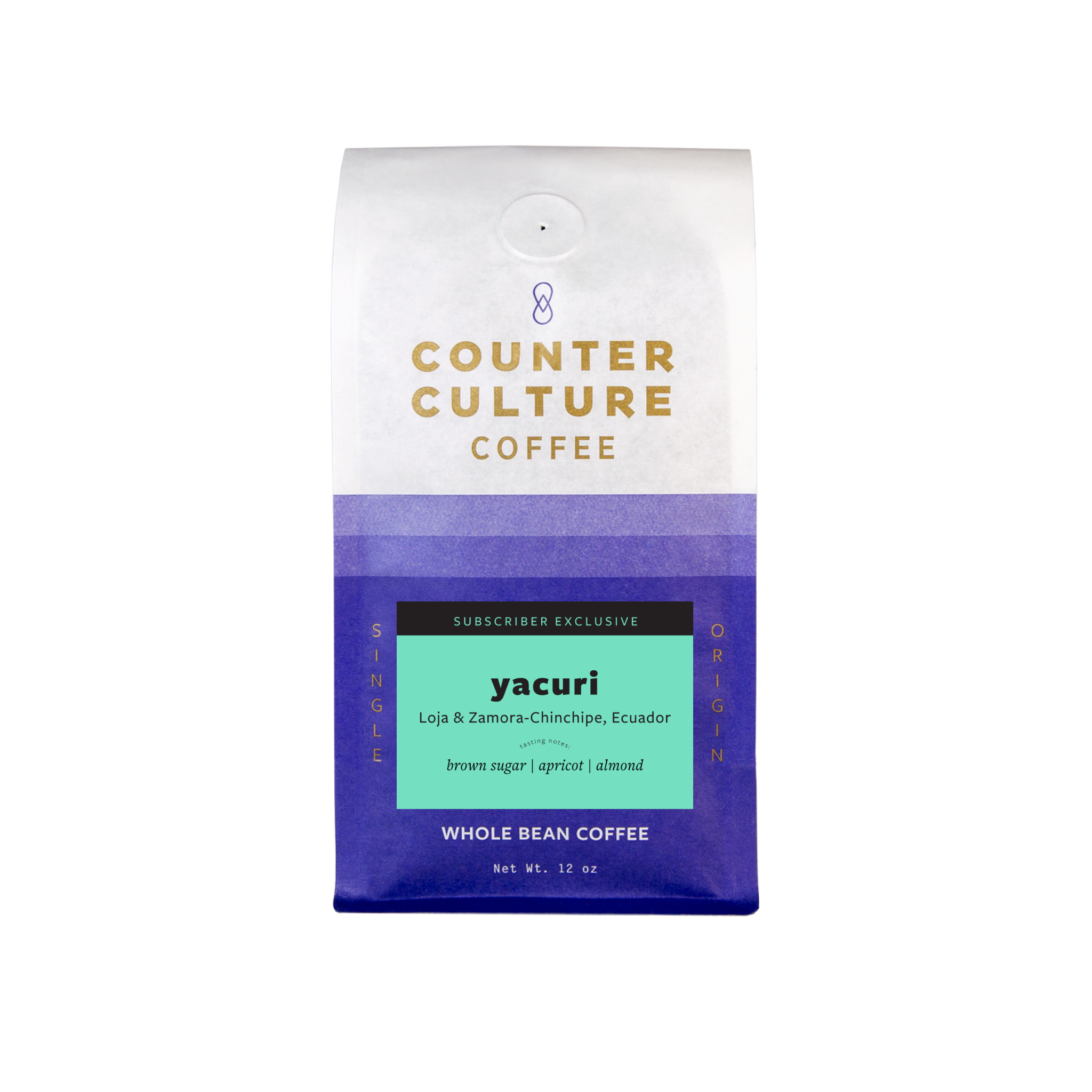
Smallholder growers near Yacuri National Park
1 page on this site carry this tag — reviews, profiles, answers and stories. Tags are derived from our documented data, never invented.
Nearby tagsalmondapricotArabicabrown sugarLightLoja and Zamora-ChinchipeSingle originSpecialtyTypica Mejorado, Caturra, and Typica
Quick answer — what is Smallholder growers near Yacuri National Park?
“Smallholder growers near Yacuri National Park” refers to a distinct cohort of coffee producers operating in the high-altitude buffer zones surrounding Ecuador’s Yacuri National Park. The tag matters because it connects specialty coffee traceability with cultivation near a critical biodiversity hotspot, where unique microclimates, small-scale family farming and environmental stewardship intersect.
The real story
The region surrounding Yacuri National Park, located in Ecuador’s southern provinces of Loja and Zamora-Chinchipe, has emerged as a focal point for high-altitude specialty coffee production. Yacuri, established in 2009, forms part of the Podocarpus-El Cóndor Biosphere Reserve. Coffee producers operating near its borders often cultivate their crops at extreme elevations, frequently exceeding 2,000 meters above sea level. Steep terrain, frequent cloud cover and volcanic soils contribute to slow cherry maturation, a condition associated with complex acidity and high sugar concentration in coffee.
Smallholder farmers in this area are typically organized into family-run micro-lots rather than large estates. The agrarian structure is dominated by producers who own relatively small parcels, often integrated into agroforestry systems. By maintaining coffee trees alongside native vegetation, these farmers function as guardians of the park’s buffer zone, helping prevent soil erosion and maintain biological corridors important to endemic species such as the spectacled bear. This integration of agriculture and conservation is a defining characteristic of coffees originating from the immediate vicinity.
The varieties cultivated by these smallholders are influenced by the historical distribution of Typica and Bourbon, as well as more recent improved Catimor and Caturra selections promoted by Ecuadorian coffee institutes. Because the terrain is remote, processing is described as being focused almost exclusively on the “lavado,” or washed, method. Farmers typically use small on-farm depulping machines and fermentation tanks. Drying coffee in a high-altitude, high-humidity climate is challenging, encouraging investment in solar dryers or raised beds to stabilize moisture content, an essential step for specialty-market quality.
For farmers, operating near Yacuri National Park creates both opportunities and constraints. The region’s prestige can support higher prices, while limited infrastructure and the cost of transporting coffee from remote mountain areas remain significant barriers to profitability. National coffee associations in Ecuador work with growers to improve post-harvest practices. By refining fermentation and drying, smallholders can separate their best lots and pursue international quality-focused auctions and specialty supply chains.
For roasters, the tag offers highly specific provenance associated with an environmentally sensitive landscape. Sourcing coffee under this designation connects the buyer with a supply chain emphasizing the preservation of one of Ecuador’s important ecological zones. The resulting consumer story is not limited to sensory attributes: it links the coffee to an extreme, protected terroir and to farming families whose work is tied to the health of the surrounding national park. The designation therefore frames value through both coffee quality and socio-environmental context.
The standing of Yacuri-adjacent coffee in the global specialty market is described as growing, with coffees from the region receiving increasing recognition in national competitions such as Ecuador’s Taza Dorada, or Golden Cup. These competitions have provided a platform for producers from Loja province to demonstrate that, despite logistical difficulties, their coffees can compete at a high level. The smallholders’ continuing story is one of transition from subsistence-based agriculture toward a professionalized, quality-focused model that treats protection of Yacuri National Park as an economic asset rather than only a regulatory constraint.
Coffee reviews & profiles
1 page