Place · people
Follow coffee to its origin
Who grew it, and where?
Start with the growing landscape, move into origin guides, then inspect farm and producer records. Not every coffee names an individual farmer.
1 page on this site carry this tag — reviews, profiles, answers and stories. Tags are derived from our documented data, never invented.
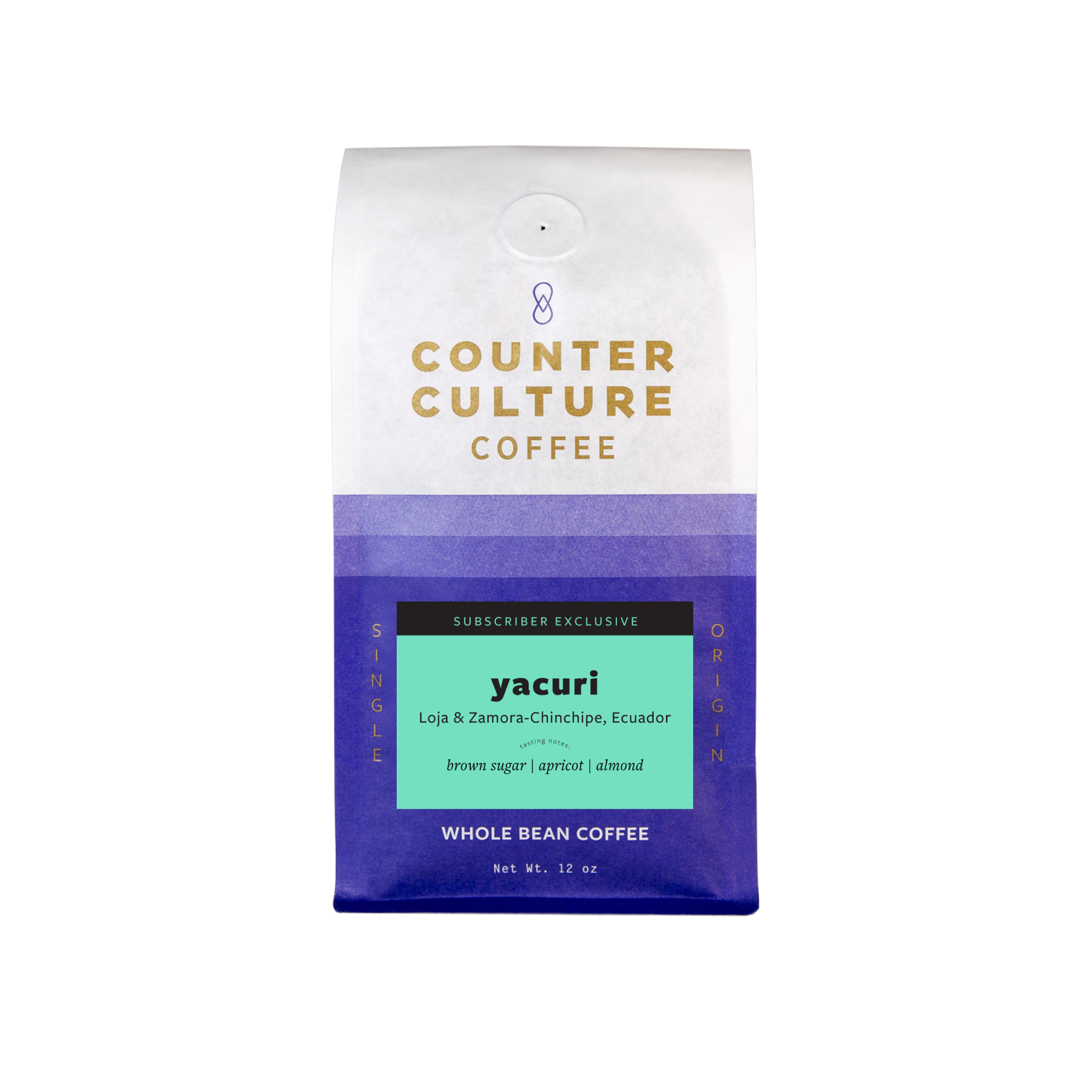
Loja and Zamora-Chinchipe are premier high-altitude coffee-producing regions in southern Ecuador, celebrated for their complex, specialty-grade Arabica. These regions are vital to the specialty market for their unique volcanic terroir, smallholder-driven production, and the cultivation of rare, high-quality varieties that offer distinct cup profiles.
Research entry updated 2026-09-28 · not source-audited · 7 sources

Loja and Zamora-Chinchipe represent the southern heart of Ecuadorian coffee production, a region defined by its rugged Andean topography and proximity to the Peruvian border. While Ecuador produces both Arabica and Robusta, these southern provinces are the primary engines for the country's high-altitude, specialty-grade Arabica output. Loja, in particular, is widely regarded as the crown jewel of Ecuadorian coffee, benefiting from a tropical highland climate and fertile volcanic soils that have supported coffee cultivation for over a century.
Coffee in this region is predominantly grown by smallholder farmers, often on plots that prioritize quality over sheer volume. In Loja, farms typically sit at elevations ranging from 1,600 to 2,300 meters above sea level, providing the slow maturation period necessary for complex flavor development. Zamora-Chinchipe, while slightly lower in average elevation—ranging from 800 to 1,900 meters—is noted for its significant concentration of organic-certified farms, reflecting a regional commitment to sustainable, small-scale agricultural practices.
The terroir of these provinces is shaped by the unique microclimates of the southern Andes. The combination of high altitude, consistent rainfall, and volcanic soil creates a distinct environment that allows for the successful cultivation of traditional varieties like Typica, Caturra, and Bourbon. Increasingly, forward-thinking producers are diversifying their crops by introducing high-value varieties such as Geisha and the locally significant Sidra, which has gained international acclaim for its exceptional cup quality.
Harvesting in these regions is a labor-intensive process, typically beginning in the middle of the year, though timing can fluctuate based on annual rainfall and humidity patterns. Because the region is characterized by small-scale, family-run farms, the harvest is often a community-driven effort. This structure allows for high levels of traceability, with many lots being aggregated from dozens of individual smallholders to create consistent, high-quality exports that reach specialty roasters globally.
Economically, coffee production in Ecuador faces unique challenges. The country’s use of the U.S. dollar and relatively high labor costs make Ecuadorian coffee inherently more expensive than that of its neighbors. This economic reality necessitates a focus on specialty-grade production, where the quality of the cup justifies the premium price. For the roaster and the drinker, this means that coffee from Loja and Zamora-Chinchipe is often rare and highly sought after for its distinct, nuanced flavor profiles that stand out in a crowded global market.
Today, the story of Loja and Zamora-Chinchipe is one of untapped potential and refinement. While the region has long been overshadowed by larger neighbors like Colombia, it is currently experiencing a resurgence in interest from specialty buyers. Through direct trade relationships and a growing emphasis on processing innovation—including a shift toward anaerobic and natural processing methods—producers in these provinces are successfully positioning their coffee as a premium, traceable, and highly differentiated product.
This topic connects to broader guides. Follow the sequence, or return to the complete TAG directory to explore other subjects.
Who grew it, and where?
Start with the growing landscape, move into origin guides, then inspect farm and producer records. Not every coffee names an individual farmer.
Learn something new, follow the people behind your cup, or explore by flavor and tags.