Varieties tag
Typica Mejorado, Caturra, and Typica
1 page on this site carry this tag — reviews, profiles, answers and stories. Tags are derived from our documented data, never invented.
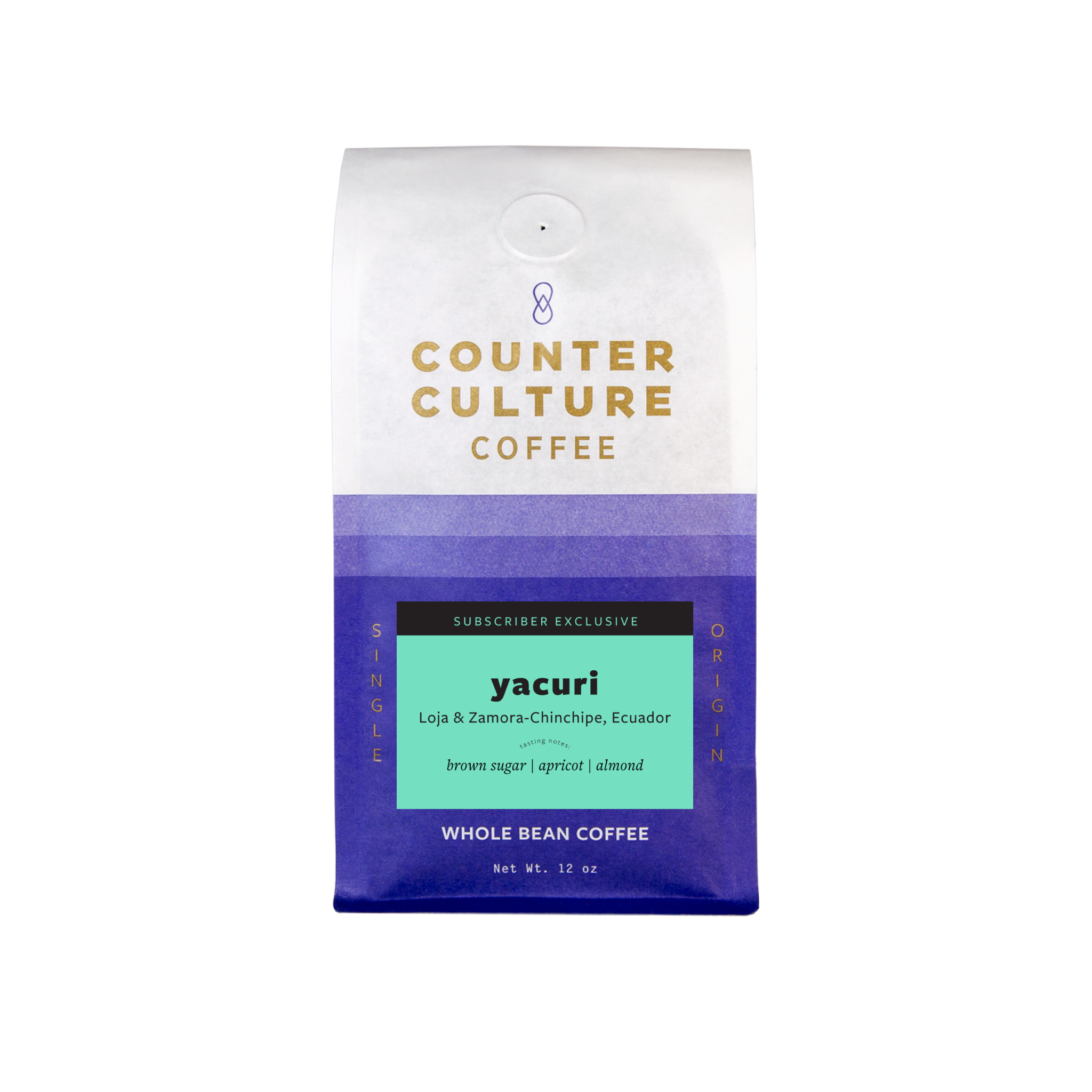
Nearby tagsalmondapricotArabicabrown sugarLightLoja and Zamora-ChinchipeSingle originSmallholder growers near Yacuri National ParkSpecialty
Quick answer — what is Typica Mejorado, Caturra, and Typica?
Typica, Caturra, and Typica Mejorado are significant coffee varieties tracing back to foundational heirloom types and modern mutations. They matter because they represent a spectrum of coffee's evolution, from the historically important but low-yielding Typica, to the productive dwarf Caturra, and the distinctively flavored Typica Mejorado, influencing quality, agricultural practices, and market value.
The real story
The foundation of the global coffee trade rests upon *Coffea arabica*, specifically the Typica variety. Originating from Ethiopia and brought to Yemen, Typica served as the primary genetic source for coffee cultivation in the Americas and Asia for centuries. It is characterized by its tall stature, conical shape, and distinctively low yields. Despite its historical dominance, Typica is notoriously fragile, exhibiting high susceptibility to major coffee diseases such as coffee leaf rust (*Hemileia vastatrix*) and the coffee berry borer, which makes it a challenging and often expensive variety for producers to maintain in the field.
Caturra emerged in the early 20th century as a natural mutation of Bourbon, discovered in Brazil. It is a dwarf variety, meaning it features shorter internodes—the space between branches—which allows for higher planting densities compared to the sprawling, tall Typica. Because of its compact structure, Caturra is easier to harvest and manage, offering significantly higher yields. By the mid-20th century, Caturra became a cornerstone of coffee agriculture in Central and South America, particularly in Colombia, providing a more economically viable alternative to the labor-intensive Typica while maintaining a reputable, clean cup profile.
Typica Mejorado represents a more contemporary development in coffee genetics, often misunderstood due to its nomenclature. While the name suggests an "improved" Typica, genetic testing has revealed that Typica Mejorado is not a direct selection of the original Typica lineage. Instead, it is widely recognized as a cross between Bourbon and Ethiopian landraces (often linked to the Typica family tree but genetically distinct). This variety gained significant prominence in Ecuador, where it has been celebrated for its complex, floral, and tea-like qualities, frequently appearing in high-level barista competitions.
In the field, these varieties demand varying levels of agronomic input. Typica is revered for its cup quality but requires specific microclimates and constant vigilance against pests. Caturra, while hardier and more productive, requires intensive fertilization to reach its yield potential; without proper nutrition, the plant often suffers from dieback, a condition where branches fail to support their fruit load. Typica Mejorado requires skilled management to achieve its characteristic high-end sensory profile, often thriving in specific high-altitude conditions where its unique aromatic precursors can fully develop.
For the producer, the choice between these varieties is a calculated risk between yield and quality. Farmers often favor Caturra for its reliability and efficiency, ensuring a consistent volume of production. In contrast, those cultivating Typica or Typica Mejorado are typically focused on the specialty market, where the superior sensory characteristics command premium prices that compensate for lower yields and higher maintenance requirements. This divergence illustrates the broader specialty coffee industry’s evolution from bulk production toward niche, quality-driven agriculture.
The taste profile of this group covers a vast landscape. Traditional Typica is prized for its clean, sweet, and balanced profile, often with subtle citrus notes. Caturra generally offers a brighter, slightly more acidic, and medium-bodied cup that serves as the standard for many specialty roasters. Typica Mejorado stands apart with a sophisticated, often intense floral and stone-fruit complexity that mirrors the profile of some high-end Geisha selections. For the consumer, these varieties represent the breadth of Arabica’s potential, from foundational benchmarks to modern experiments in genetic expression.
Today, the story of these varieties is one of preservation and precision. As coffee leaf rust and climate change threaten traditional cultivars, institutes like World Coffee Research emphasize the importance of genetic diversity. While Caturra remains a workhorse of the industry, its lack of rust resistance has led to a slow decline in some regions. Simultaneously, varieties like Typica Mejorado signify a shift toward cultivars selected explicitly for the sensory demands of the modern specialty consumer, marking a departure from purely yield-focused agricultural models.
Coffee reviews & profiles
1 page