Farms & farmers tag
Urcunina group / ASPROCAES association
1 page on this site carry this tag — reviews, profiles, answers and stories. Tags are derived from our documented data, never invented.
Quick answer — what is Urcunina group / ASPROCAES association?
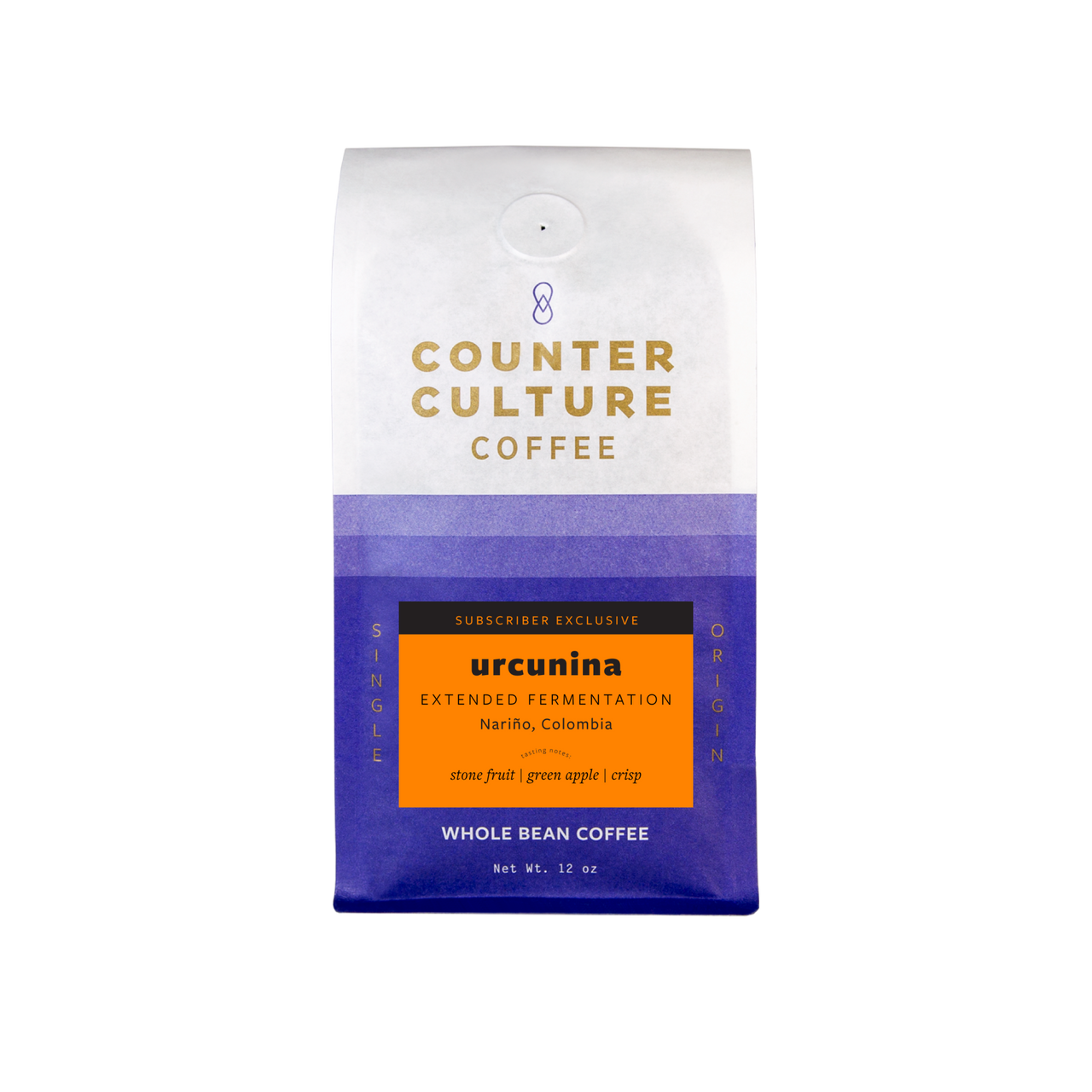
The Urcunina group represents a collective of 438 coffee-farming families in Nariño, Colombia, organized under the ASPROCAES association. This partnership, supported by Catholic Relief Services and Counter Culture Coffee, focuses on improving production standards and market access to enhance the economic resilience of smallholder farmers near the town of La Florida.
The real story
The Urcunina brand serves as a collective identity for the ASPROCAES association, a group of 438 coffee-producing families located near the town of La Florida in the Nariño department of Colombia. The name 'Urcunina' is derived from an indigenous term meaning 'fire mountain,' a moniker chosen by the farmers to distinguish their specific regional output from other coffees produced within the Nariño landscape. This branding effort is central to their strategy of establishing a unique market presence for their high-altitude, specialty-grade harvests.
The formation of the ASPROCAES association was catalyzed in 2012 by the global humanitarian organization Catholic Relief Services (CRS). The initiative was designed to bridge the gap between small-scale coffee growers in Nariño and the international specialty coffee market. By organizing into a formal association, these farmers gained the collective bargaining power and technical support necessary to navigate complex supply chains, moving beyond traditional commodity-grade sales toward more sustainable, value-added trade models.
Counter Culture Coffee played a pivotal role in this development, serving on the advisory board for the CRS project. This collaboration focused on transforming the production processes of the participating families, emphasizing quality control and post-harvest techniques. The partnership provided the infrastructure and guidance required to elevate the cup profile of the region, which is now recognized for its classic Nariño characteristics: a sweet base of caramel and chocolate balanced by distinct notes of dried fruit.
In practice, the Urcunina project functions as a model for supply chain integration. By working directly with roasters, the ASPROCAES association has been able to implement more rigorous processing standards. While traditional washed processes remain common, the association has also explored experimental methods, such as anaerobic honey processing, which can yield more complex flavor profiles, including notes of plum and red grape, often accompanied by a syrupy body.
For the farmer, the significance of the Urcunina group lies in the stability and recognition provided by the association. By pooling resources and knowledge, the 438 families are better equipped to manage the volatility of the coffee market. This structure allows for the sharing of best practices in agronomy and processing, which directly impacts the quality of the final product and, consequently, the premiums paid to the producers.
For the roaster and the consumer, Urcunina represents a commitment to traceability and social impact. The coffee is not merely a commodity but a documented example of how organized producer groups can achieve economic resilience through camaraderie and shared technical goals. The transparency of this supply chain allows drinkers to connect the specific flavor profile of the Nariño region to the efforts of the specific families who cultivated the crop.
Today, the Urcunina group stands as a testament to the efficacy of development-led market access. The association continues to operate as a vital hub for the farmers of La Florida, maintaining the standards established during their initial partnership with CRS and Counter Culture. As the specialty coffee industry continues to evolve, the Urcunina model remains a relevant case study in how institutional support can foster long-term, sustainable growth for smallholder coffee communities.
Sources behind this explanation
- https://counterculturecoffee.mom/products/urcunina
- https://counterculturecoffee.com/products/urcunina
- https://whomakesthebestcoffee.com/reviews/counter-culture-coffee-urcunina-anaerobic-honey
- https://www.beanswithbeanie.com/coffee/urcunina-counter-culture-coffee-2
- https://thecounterculturecoffee.shop/products/urcunina
Coffee reviews & profiles
1 page