
4.4
Blend · Component origins documented on the coffee profile where available
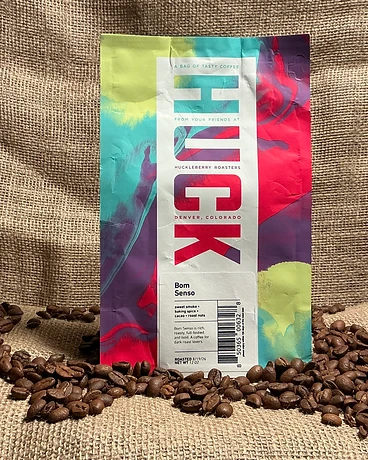
Bom Senso — Huckleberry Roasters
· Washed
Read the review →A smoky tasting note describes a sensory resemblance. It does not establish that smoke was intentionally added or that coffee beans physically contacted smoke.
Intense roasting can produce charred or smoky impressions, and roasting conditions may affect the final aroma. The tasting note alone cannot diagnose poor ventilation, bean contamination, or a specific chemical cause.
May be noticeable in some darker roast profiles, but smoky aromas are not inevitable in dark roast and can have different origins. Whether they are desirable is contextual.
Smell the grounds and brewed coffee, then taste carefully as it cools. Try to distinguish toasted-bread, charred-wood, and ash-like impressions rather than calling every deep roast 'smoky.' Note whether the quality feels balanced or overpowering. A tasting impression alone cannot establish a roasting defect.

Can you actually perceive a smoke-like note? Brew a plain coffee, then describe it in three stages. Write your own impressions before reading the tasting notes on its bag. A descriptor is not evidence of a coffee's origin, ingredients, processing, or quality.
Notes stay in this browser's local storage until cleared; they are not submitted, scored, published or used as evidence for our reviews. For professional methodology see the SCA flavor-wheel guide.
Examples are selected from at most 80 recently updated matching coffee profiles, 40 exact-match outside reviews and 40 exact-coffee internet references. The numbers below describe this bounded sample, not a complete sitewide total. Zero means no matches in the sampled records, not that none exist elsewhere.
Blend · Component origins documented on the coffee profile where available

Blend · Component origins documented on the coffee profile where available
This is our editorial description of a sensory comparison. The independent SCA/WCR materials below explain how tasters develop a shared vocabulary; they do not verify the particular coffee origins, biochemical causes, processing methods or frequency claims on this page.
No descriptor-specific research citation has been verified for this entry yet. Treat specific causal and origin associations as editorial guidance, not as scientifically established facts.
Learn something new, follow the people behind your cup, or explore by flavor and tags.