Worth the Price?
Understand bag sizes, cost per brew and documented coffee differences before judging value.
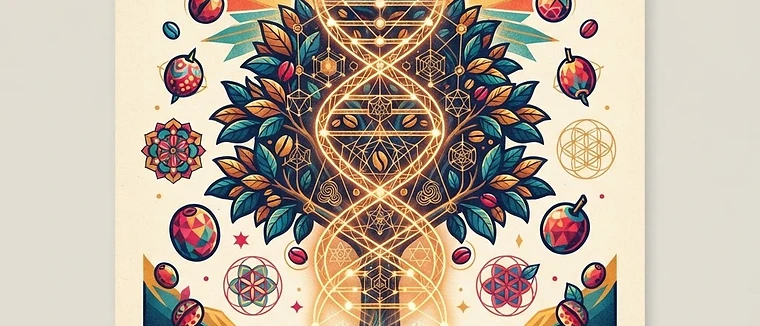
As the global climate shifts, the future of your favorite morning cup depends less on chance and more on the precise, calculated engineering of the coffee plant itself.
As climate change impacts traditional growing regions, researchers are using advanced breeding and genetic mapping to create 'climate-resilient' coffee plants. These new varieties aim to maintain the complex flavor profiles we love while better surviving unpredictable weather, pests, and rising temperatures.
For centuries, coffee agriculture was largely a game of historical luck. Farmers relied on heirloom varieties passed down through generations, such as Typica or Bourbon. While these plants produce exceptional flavors, they are often fragile, susceptible to diseases like leaf rust, and highly sensitive to temperature fluctuations. Today, the conversation in coffee research has shifted toward intentional design.
The future of the coffee farm lies in breeding programs that prioritize resilience without sacrificing the sensory experience. By mapping the coffee genome—the entire set of genetic instructions in the plant—scientists can identify the specific markers responsible for heat tolerance and pest resistance. Instead of waiting decades for natural selection to take its course, breeders are now using molecular markers to speed up the process, creating robust cultivars that can thrive in environments where traditional plants are struggling.
Resilience isn't just about survival; it is about consistency. Varieties like Batian and Ruiru 11 represent a new wave of coffee engineering designed for high yield and disease resistance. These varieties have been bred specifically to minimize the need for chemical inputs, which helps both the farmer's bottom line and the long-term health of the soil.
When we talk about the 'Who' behind these innovations, we are looking at a collaboration between researchers at organizations like World Coffee Research and the dedicated producers who trial these plants in their own soil. These farmers act as the ultimate auditors, deciding whether a scientifically superior plant actually tastes good enough to earn a place on the global market.
One of the most exciting developments in modern coffee agriculture is the rise of F1 Hybrids. These are the first generation of offspring from two distinct parent varieties, designed to combine the best traits of each. An F1 hybrid might inherit the high-quality cup profile of a rare Ethiopian variety and the ruggedness of a wild, semi-domesticated relative.
These hybrids are not just random crosses; they are the result of intense analytical data. By crossing varieties with different genetic backgrounds, breeders can create plants that express 'hybrid vigor,' allowing them to grow faster, produce more cherries, and withstand environmental stress better than either parent could on their own. This is how we ensure that as climate bands move higher, the supply of specialty-grade coffee remains stable.
There is a lingering fear among coffee drinkers that 'resilient' or 'engineered' coffee will taste dull. However, modern breeding is actually expanding our flavor vocabulary. By exploring the diversity of wild coffee species, scientists are finding unique flavor characteristics—notes of tropical fruit, complex florals, and vibrant acidity—that have been lost in the traditional, narrow selection of commercial coffee.
The goal is not to replace our favorite cups with laboratory-grown versions, but to ensure that the diversity of the coffee world continues to expand. As we integrate these new varieties into the market, your daily ritual will likely involve a of the old and the new, protected by the most advanced agricultural science in the history of the crop.
No directly verifiable external source links are recorded for this story. Its research claims require further verification.
Explore documented coffee differences, then choose a brewing method. Related profiles are research connections, not proof that we tasted each coffee.
Understand bag sizes, cost per brew and documented coffee differences before judging value.
Follow documented origins to farms and the people behind the coffee. A profile is distinct from an original interview.
Separate tasting vocabulary from processing claims, then explore coffee profiles and brewing methods.
Learn something new, follow the people behind your cup, or explore by flavor and tags.