🇹🇿Tanzania
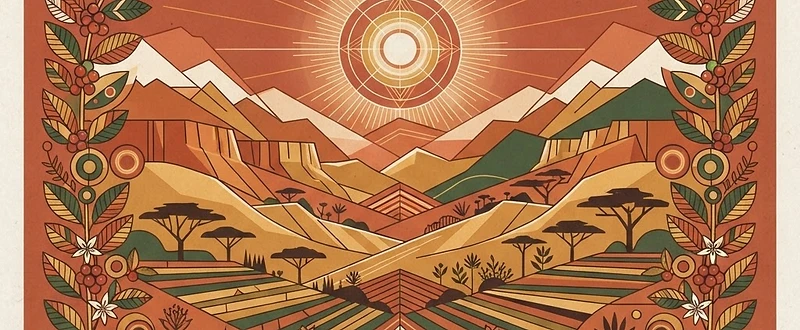
Tanzania's arabica grows on the slopes of Kilimanjaro and in the southern highlands of Mbeya and Ruvuma, with grading standards (AA, AB, PB) inherited from the Kenyan system.
Coffee's presence in Tanzania dates back to the 16th century, when the Haya tribe in the northwest region reportedly introduced the plant from Ethiopia for use as a stimulant rather than a beverage. Commercial cultivation began in 1898 with Catholic missionaries and German colonial authorities, who later expanded production as a cash crop. Following the transition to British rule and subsequent independence, the industry underwent significant structural shifts, including the nationalization of estates and the centralization of trade under the Tanzania Coffee Authority. The sector faced periods of instability, including the dissolution of cooperative unions and the impact of coffee wilt disease in the late 1990s. Market liberalization reforms in the 1990s and the establishment of the Tanzania Coffee Board and the Tanzania Coffee Research Institute in the early 2000s helped stabilize the industry. Today, Tanzania maintains a dual-production model dominated by smallholder farmers, focusing on both Arabica and Robusta varieties to secure its position in the global specialty market.