🇾🇪Yemen
Yemen · Eastern Haraz
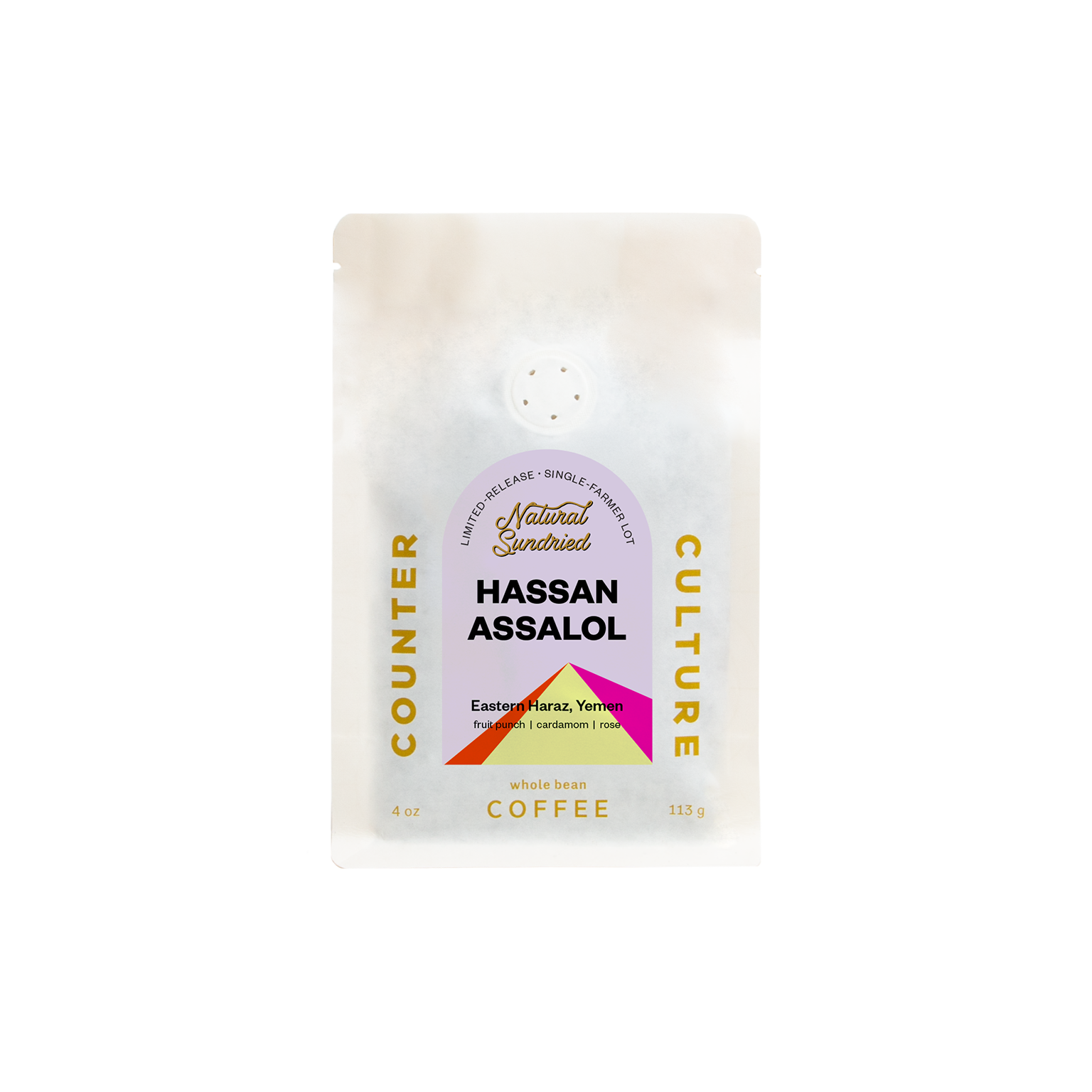
Hassan Assalol - Natural Sundried
Hassan Assalol
Counter Culture Coffee
Hassan Assalol
Field Blend· Natural
Explore the profile →
Editorial illustration · not a verified photograph of this location
Yemen grows coffee from ancient, unclassified landrace trees on terraced mountainsides, dry-processed in the tradition that first made 'Mokha' a global word for coffee.
Coffee cultivation in Yemen began around the 15th century, with Sufi monks initially using the beverage to sustain themselves during religious rituals. By the 16th century, the port of Mokha emerged as the primary global gateway for the coffee trade, allowing Yemen to maintain a virtual monopoly on production for over 200 years. This dominance eventually waned in the 18th century as European colonial powers successfully established coffee plantations in regions like Java. Following a long period of decline in global market share, the Yemeni coffee industry has seen a revitalization over the last two decades. This modern resurgence is driven by a new generation of entrepreneurs and coffee companies focused on highlighting the country's unique heirloom varieties and traditional terrace farming practices to the specialty market.
Sana'a Governorate is defined by its dramatic, high-altitude mountain terrain where coffee is cultivated on ancient, hand-carved stone terraces. These farms typically sit at elevations ranging from 1,500 to 2,500 meters above sea level, creating cool microclimates that slow cherry development. The region is characterized by small, family-managed plots that have remained largely unindustrialized for centuries. This unique environment, combined with traditional irrigation and farming practices, produces coffee with distinct flavor profiles and high sugar concentrations.
Region guide →Hayma Dakhiliya is a prominent coffee-growing region located in the western highlands of the Sana’a governorate. Situated approximately 50 kilometers west of the capital, the area consists of 11 mountainous villages spread across rugged, steep terrain. Coffee is cultivated on terraces at altitudes ranging from 1,900 to 2,300 meters above sea level. The region is characterized by an arid climate with extreme temperature fluctuations and low rainfall, which has historically favored the development of resilient landraces.
Region guide →Eastern Haraz is the producing area in Yemen identified by Counter Culture Coffee for Hassan Assalol's 2025 harvest. The exact release places his Typica and Ja'adi coffee at 1,900 to 2,200 meters and documents traditional natural sundried processing. The source does not provide a narrower administrative locality or farm name.
Region guide → Editorial illustration
 Editorial illustration
Learn something new, follow the people behind your cup, or explore by flavor and tags.

