Place · people
Follow coffee to its origin
Who grew it, and where?
Start with the growing landscape, move into origin guides, then inspect farm and producer records. Not every coffee names an individual farmer.
2 pages on this site carry this tag — reviews, profiles, answers and stories. Tags are derived from our documented data, never invented.
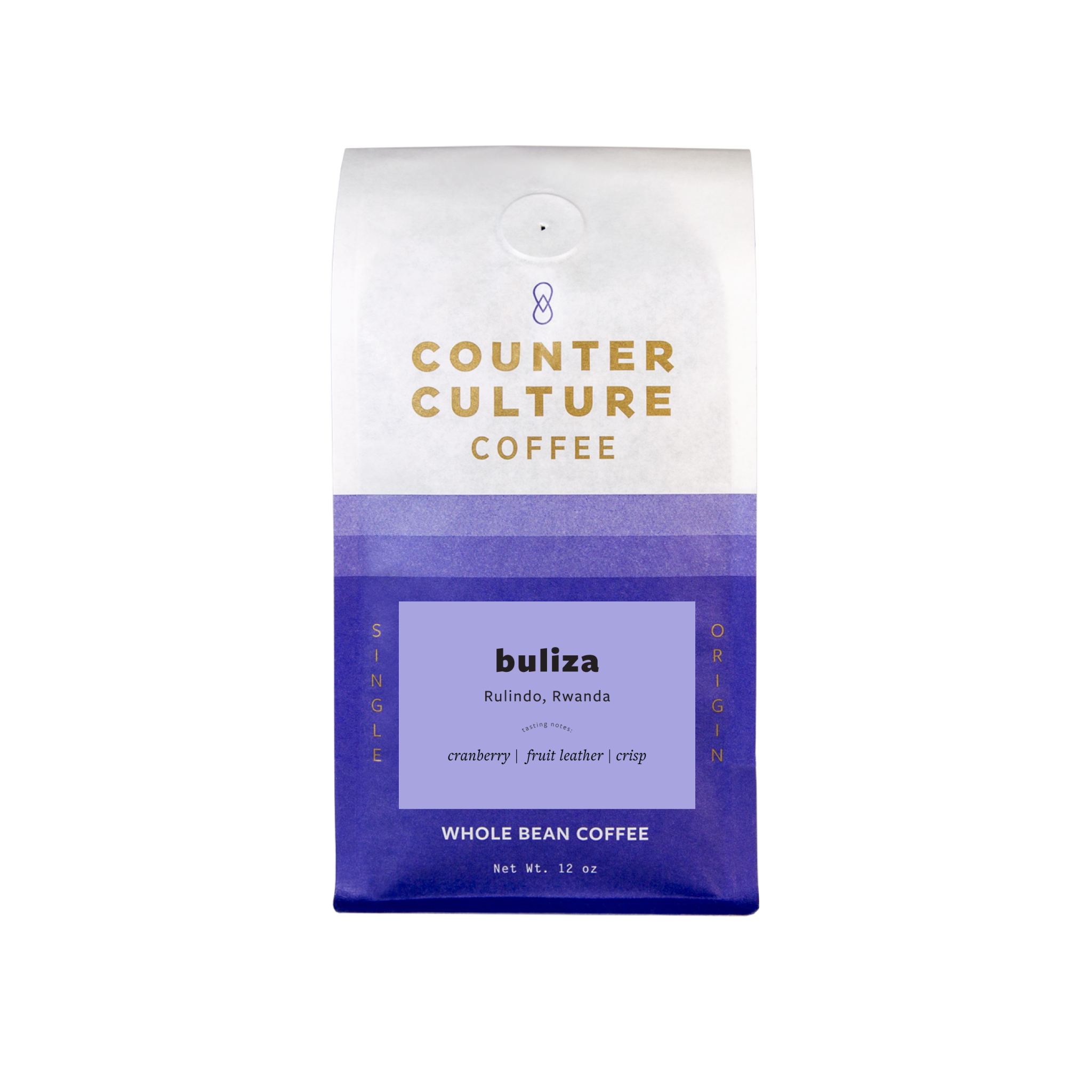
Rulindo is a mountainous district in Rwanda’s Northern Province, recognized for its high-altitude terroir and volcanic soils that produce complex, floral, and stone-fruit-forward Arabica coffee. It is a vital region for specialty production, where smallholder farmers utilize washing stations to process high-quality Bourbon varieties that define the country's reputation for clean, tea-like, and vibrant cup profiles.
Research entry updated 2026-09-28 · not source-audited · 5 sources

Rulindo is a district located in the Northern Province of Rwanda, a region that has become increasingly significant in the country’s specialty coffee landscape. While Rwanda’s coffee production is historically concentrated in the southern and western regions, Rulindo represents a critical northern frontier for high-altitude cultivation. The district is characterized by its rugged, mountainous terrain, which provides the essential elevation—often reaching up to 2,200 meters—required to slow the maturation of coffee cherries, allowing for the development of complex sugars and acids.
The coffee sector in Rwanda, including Rulindo, is built upon the labor of smallholder farmers who typically manage very small plots, often averaging around 600 trees each. These farmers are the backbone of the industry, delivering their cherries to local washing stations. In Rulindo, these stations serve as hubs for quality control and processing, where the transition from traditional subsistence farming to specialty-grade production is facilitated through rigorous sorting and meticulous washing techniques.
Terroir in Rulindo is defined by its volcanic soil and high rainfall, which contribute to the distinct flavor profiles found in the region's coffee. Producers and washing stations in the area, such as the Tumba station, have gained recognition for their ability to highlight these environmental factors. The resulting cup profiles are frequently described as having a tea-like body, vibrant citrus or lime-like acidity, and notes of stone fruit, honey, and floral aromatics, which align with the broader, highly regarded profile of Rwandan Bourbon.
Coffee was introduced to Rwanda in the early 20th century, and while it was once a compulsory crop under colonial rule, it has since evolved into a primary engine for economic development. Following the 1994 genocide, the industry underwent a massive transformation, shifting focus toward quality and the establishment of washing stations to ensure that the full potential of the Bourbon variety could be realized. Today, the National Agriculture Export Board (NAEB) continues to oversee these efforts, prioritizing quality differentiation to stabilize the livelihoods of the hundreds of thousands of farmers across the country.
In practice, the harvest calendar in Rulindo follows the broader Rwandan cycle, typically occurring in the middle of the year. The processing methods employed at stations in the district have expanded beyond the classic fully washed method to include natural, honey, and experimental anaerobic processes. This diversification allows producers to experiment with the inherent sweetness and body of the coffee, catering to a global specialty market that values both consistency and innovation.
For the roaster and the drinker, Rulindo coffee represents the success of Rwanda’s post-2000 investment in processing infrastructure. The ability to maintain a clean, bright, and complex cup is a testament to the management of these washing stations, where local leadership and improved quality control protocols have turned small-scale harvests into world-class specialty lots. As the industry looks toward the future, the focus remains on the rejuvenation of older trees and the potential introduction of more resilient varieties, ensuring that regions like Rulindo remain competitive in an evolving global market.
This topic connects to broader guides. Follow the sequence, or return to the complete TAG directory to explore other subjects.
Who grew it, and where?
Start with the growing landscape, move into origin guides, then inspect farm and producer records. Not every coffee names an individual farmer.
Learn something new, follow the people behind your cup, or explore by flavor and tags.