Place · people
Follow coffee to its origin
Who grew it, and where?
Start with the growing landscape, move into origin guides, then inspect farm and producer records. Not every coffee names an individual farmer.
182 pages on this site carry this tag — reviews, profiles, answers and stories. Tags are derived from our documented data, never invented.
Rwanda is a landlocked East African nation renowned for producing high-quality, washed Arabica coffee, primarily from Bourbon-derived varieties. Since the early 2000s, the country has transformed its coffee sector into a symbol of national renewal, focusing on smallholder-led production and meticulous processing to achieve a distinct, vibrant cup profile.
Research entry updated 2026-09-29 · not source-audited · 6 sources
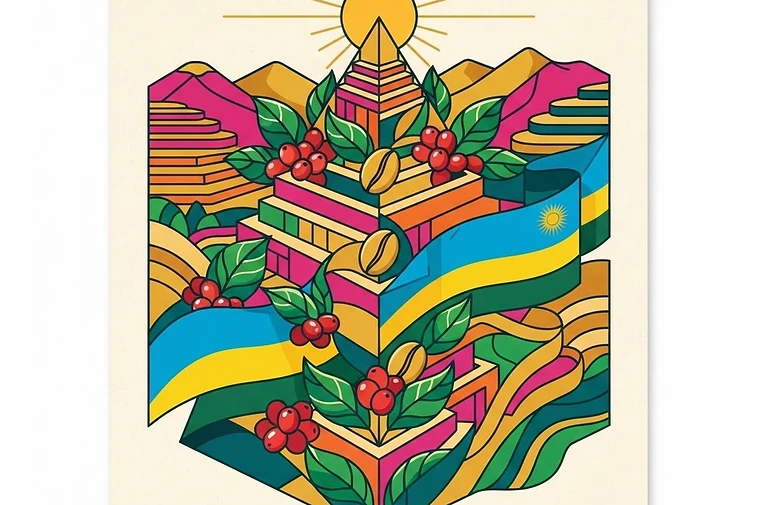
Rwanda, often called the 'Land of a Thousand Hills,' possesses an ideal terroir for specialty coffee, characterized by high altitudes ranging from 1,500 to 2,000 meters, rich volcanic soils, and a tropical climate. Coffee was introduced to the country by German missionaries around 1904. Following World War I, the Belgian colonial administration intensified production, though for decades the sector focused on low-grade commercial output, with Belgium serving as the primary buyer. The modern era of Rwandan coffee began in the early 2000s, when the nation pivoted toward quality-focused specialty production as a core strategy for economic recovery and social reconciliation.
The contemporary Rwandan coffee industry is defined by its smallholder structure. Approximately 400,000 farmers cultivate coffee on very small plots, often averaging only 600 trees each. These farmers typically hand-pick cherries and deliver them to local washing stations, a critical infrastructure development that has allowed the country to achieve its reputation for high-quality, fully washed Arabica. This processing model, which accounts for roughly 62% of exports, ensures that the coffee is sorted, pulped, fermented, and dried with the precision required for the specialty market.
Varietal diversity in Rwanda is dominated by traditional Arabica cultivars, most notably Red Bourbon and other Bourbon-derived varieties like Mibirizi. While these traditional trees are prized for their cup quality, the sector faces challenges with aging; an estimated 39% of coffee trees are over 30 years old. In 2015, the Rwanda Agriculture and Animal Resources Development Board (RAB) released the C15 variety, which offers resistance to coffee leaf rust and coffee berry disease, though its adoption remains a work in progress as the National Agriculture Export Board (NAEB) prioritizes rejuvenation and rehabilitation of existing farms.
The harvest calendar in Rwanda generally spans from March to July, with the resulting coffee typically arriving for export between September and November. Because the country is landlocked, the logistics of moving green coffee involve overland transit to major ports in Mombasa, Kenya, or Dar es Salaam, Tanzania. Despite these logistical hurdles, the sector has become a vital economic engine, contributing significantly to national export earnings and supporting the livelihoods of hundreds of thousands of rural families.
In the cup, Rwandan coffee is celebrated for its classic African profile. Drinkers can expect a bright, sparkling acidity balanced by a silky body, with characteristic notes of red berries, orange zest, and cane sugar, often accompanied by delicate floral undertones. This consistency in quality has made Rwanda a darling of the specialty coffee world, further cemented by the country hosting Africa's first Cup of Excellence competition in 2008, which helped signal its arrival as a premier origin.
Today, the story of Rwandan coffee is one of resilience and strategic investment. The prominence of women-led cooperatives and the focus on quality differentiation have allowed Rwanda to carve out a unique space in the global market. By moving away from the low-grade commodity production of the past, the country has successfully positioned itself as a source of high-standard, complex coffees that reflect both the unique geography of the Great Rift Valley and the meticulous labor of its smallholder farmers.
This topic connects to broader guides. Follow the sequence, or return to the complete TAG directory to explore other subjects.
Who grew it, and where?
Start with the growing landscape, move into origin guides, then inspect farm and producer records. Not every coffee names an individual farmer.
 Editorial illustration

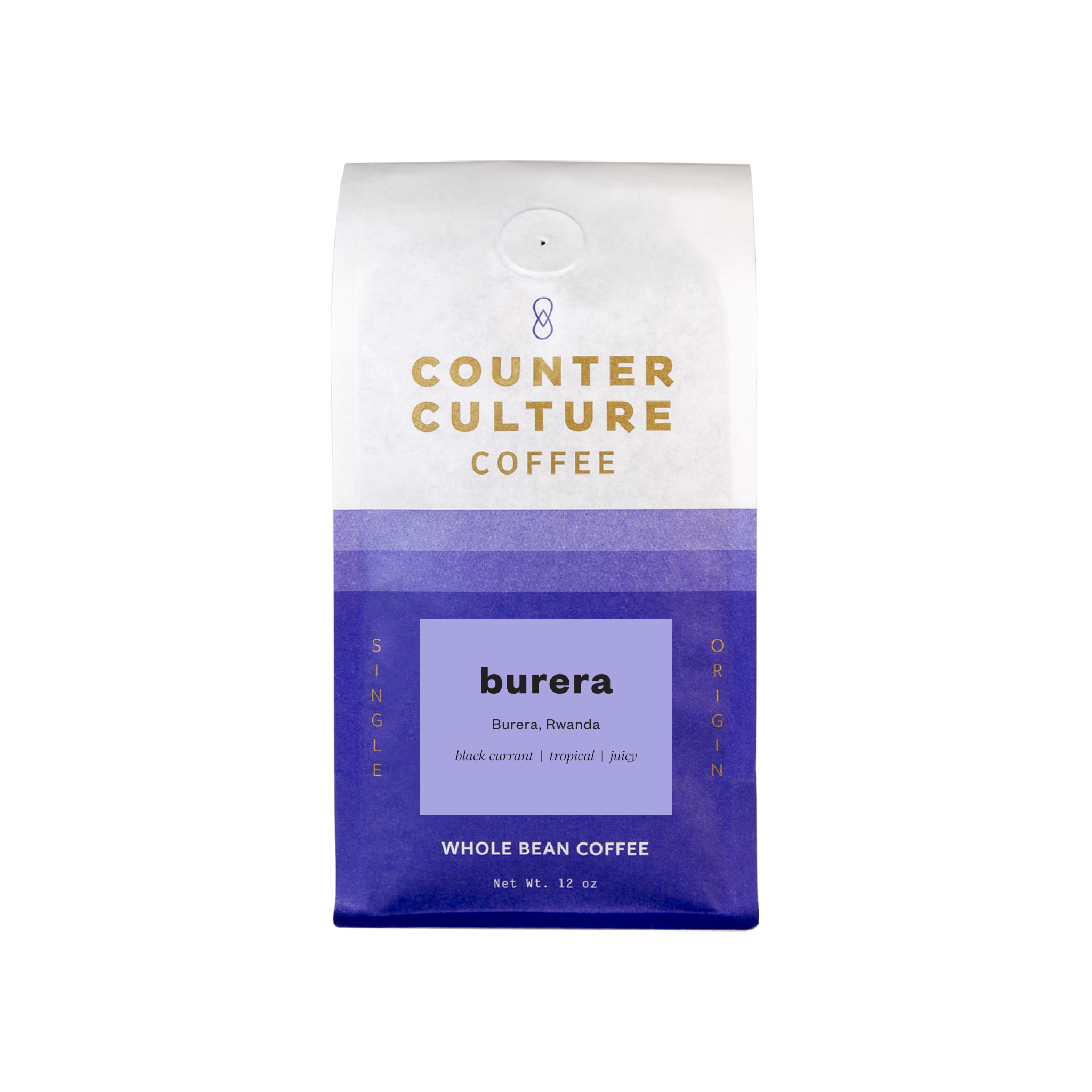
 Editorial illustration
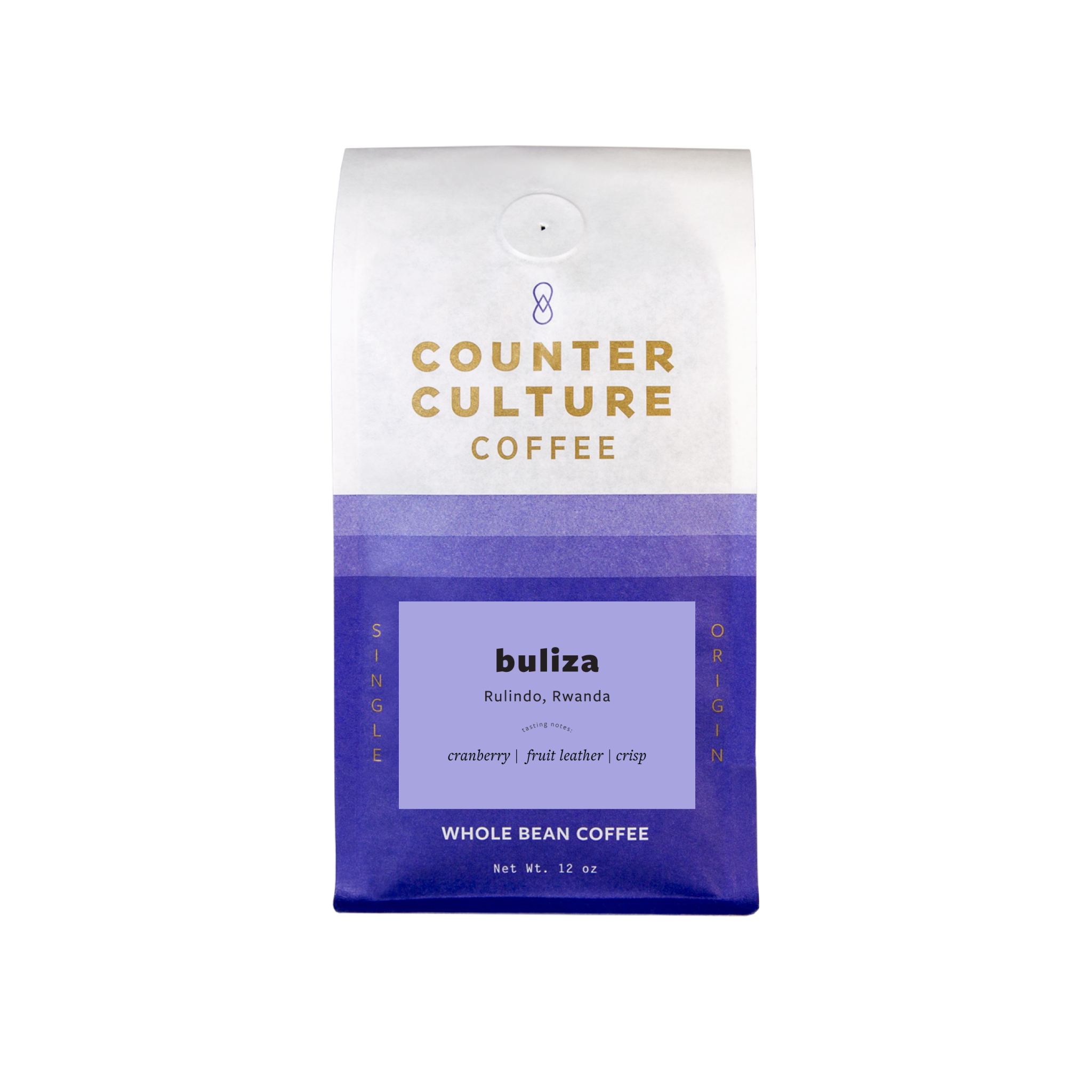

 Editorial illustration


 Editorial illustration

Learn something new, follow the people behind your cup, or explore by flavor and tags.


