Place · people
Follow coffee to its origin
Who grew it, and where?
Start with the growing landscape, move into origin guides, then inspect farm and producer records. Not every coffee names an individual farmer.
2 pages on this site carry this tag — reviews, profiles, answers and stories. Tags are derived from our documented data, never invented.
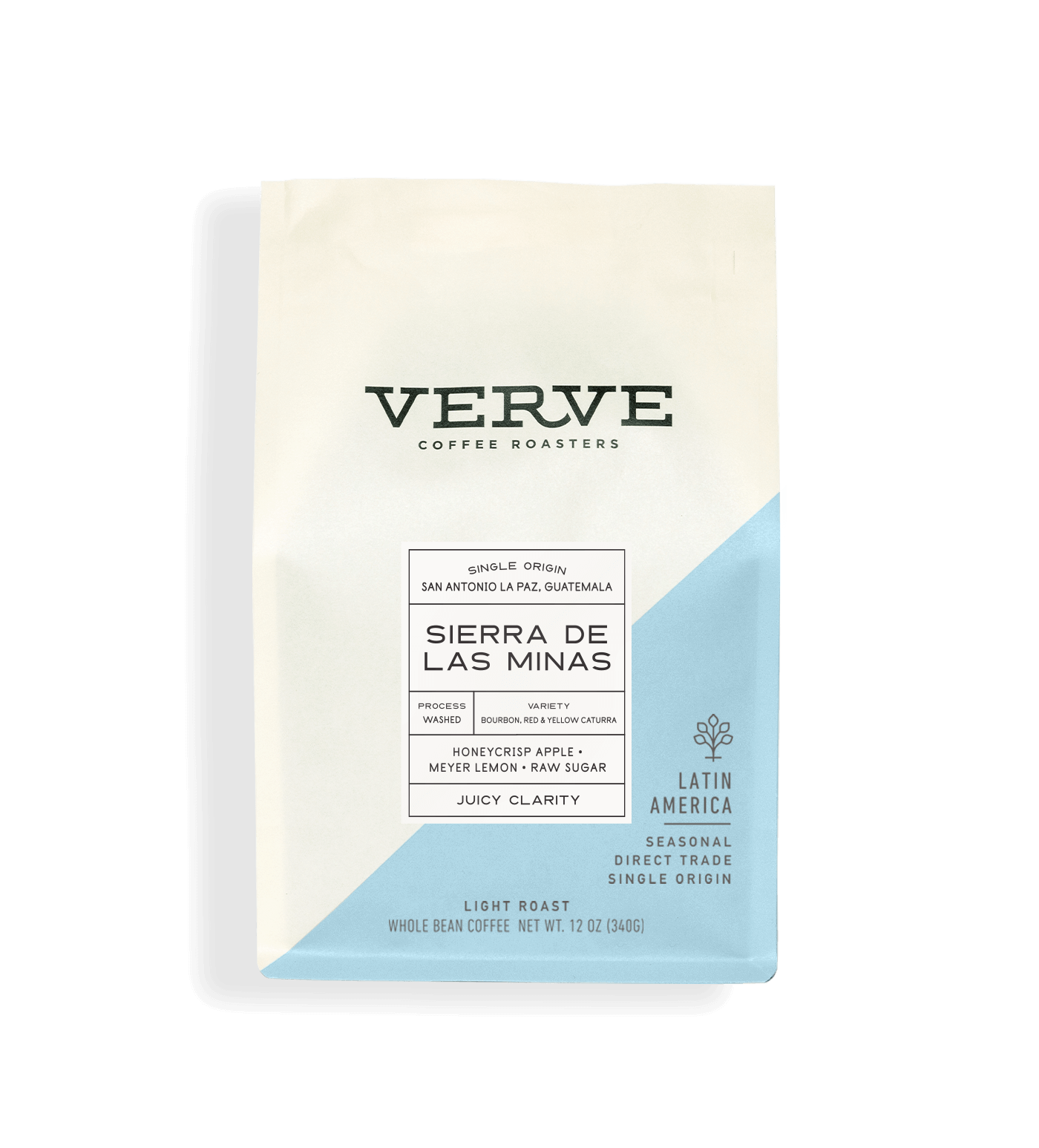
Sierra de las Minas is a prominent mountain range in eastern Guatemala, distinguished by its unique microclimates and status as a protected biosphere reserve. Its diverse topography, ranging from arid desert-like conditions to humid cloud forests, creates specialized environments that produce high-altitude specialty coffee with distinct regional characteristics.
Research entry updated 2026-09-28 · not source-audited · 5 sources

Sierra de las Minas stands as the largest mountain range in eastern Guatemala, serving as a critical geographical feature that separates the Polochic and Motagua river valleys. Unlike the volcanic western highlands that dominate much of Guatemala's coffee production, this range is an independent formation extending 130 kilometers west of Lake Izabal. Its physical presence creates a dramatic divide in climate, which is the primary driver of its agricultural potential for coffee cultivation.
The region's terroir is defined by the interaction between Atlantic Caribbean winds and the range's significant elevation, which reaches up to 3,015 meters at Cerro Raxón. As moist winds strike the eastern slopes, they foster the development of Central America's largest cloud forest. Conversely, as air masses rise and lose moisture, the western side of the range experiences a much drier, desert-like climate. This extreme variation in microclimates allows for a diverse range of coffee-growing conditions within a relatively compact area.
In 1990, a substantial portion of the Sierra de las Minas was designated as a biosphere reserve to protect its immense biodiversity, including the habitat of the quetzal. For coffee producers, this environmental protection necessitates a focus on sustainable, high-altitude farming practices. The region spans five departments—Alta Verapaz, Baja Verapaz, El Progreso, Izabal, and Zacapa—and supports a population of approximately 250,000 people across 222 communities, many of whom rely on the land for agricultural livelihoods.
Coffee production in this region is characterized by the challenges and benefits of high-altitude, cloud-forest environments. The harvest typically aligns with the broader Guatemalan season, generally occurring between November and March. Because the region is home to 63 rivers and varied ecological zones, farmers often manage small-to-medium-sized plots that benefit from the rich, protected soil and the consistent moisture provided by the cloud cover, which slows the maturation of the coffee cherry.
For the roaster and the drinker, coffee from Sierra de las Minas is often sought after for its complexity, which is a direct result of the region's unique environmental stressors. The combination of high altitude and the specific humidity of the cloud forest tends to produce beans with high density, often resulting in a cup profile that balances bright acidity with deep, nuanced sweetness. These coffees are frequently marketed as single-origin offerings that highlight the specific, protected nature of the biosphere reserve.
Today, the story of Sierra de las Minas is one of balancing specialty coffee production with rigorous environmental conservation. As the global coffee industry places increasing value on traceability and ecological stewardship, the producers in this range are positioned as stewards of a vital, protected landscape. The region remains a significant, albeit specialized, origin that offers a distinct alternative to the more widely known volcanic coffee regions of Guatemala.
This topic connects to broader guides. Follow the sequence, or return to the complete TAG directory to explore other subjects.
Who grew it, and where?
Start with the growing landscape, move into origin guides, then inspect farm and producer records. Not every coffee names an individual farmer.
Learn something new, follow the people behind your cup, or explore by flavor and tags.