Place · people
Follow coffee to its origin
Who grew it, and where?
Start with the growing landscape, move into origin guides, then inspect farm and producer records. Not every coffee names an individual farmer.
2 pages on this site carry this tag — reviews, profiles, answers and stories. Tags are derived from our documented data, never invented.
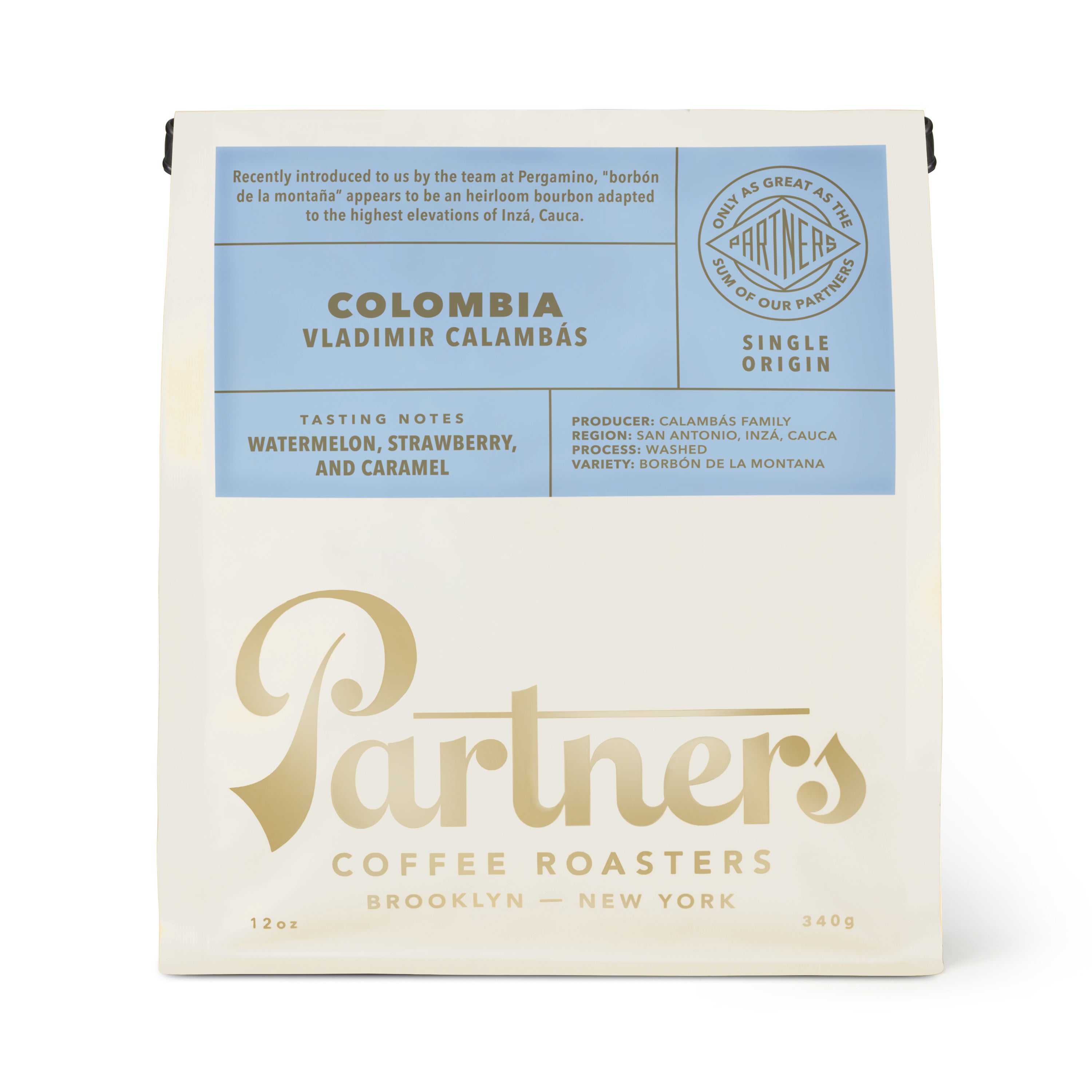
Vladimir Calambás is a small-scale coffee producer based in Inzá, Cauca, Colombia, recognized for cultivating the rare 'borbón de la montaña' variety. His work represents the vital role of independent, allied farmers in the specialty coffee supply chain, where unique local cultivars and high-elevation microclimates contribute to distinct, high-quality flavor profiles.
Research entry updated 2026-10-06 · not source-audited · 3 sources
Vladimir Calambás is a coffee producer operating in the department of Cauca, Colombia, a region highly regarded for its specialty coffee production. His farm is located near the town of San Antonio in Inzá, an area that has become a focal point for sourcing high-quality microlots. Calambás is part of a broader network of over 600 small-scale farmers who collaborate with Pergamino, a prominent organization that facilitates market access and quality control for allied producers across several Colombian departments.
The most notable aspect of Calambás’s production is his cultivation of a variety known as 'borbón de la montaña,' or 'mountain bourbon.' This cultivar is considered a local mutation of the traditional Bourbon variety. It has gained attention within the specialty industry for its unique adaptation to the high-elevation conditions found in the Inzá region, where it thrives in the specific microclimate of the Cauca mountains.
In practice, the cultivation of borbón de la montaña by Calambás represents a localized effort to preserve and promote regional biodiversity. While the variety is a mutation of a well-known lineage, its emergence in Inzá has sparked interest among roasters and researchers who track coffee genetics. The coffee produced on his farm is typically processed using the fully washed method, which is standard for maintaining the clarity and acidity often sought in high-altitude Colombian coffees.
For the specialty coffee industry, producers like Calambás are essential to the traceability movement. By working through established channels like Pergamino, Calambás is able to bring his specific harvest to a global market that values the provenance of individual lots. This relationship allows roasters to highlight the specific work of the farmer, providing consumers with a direct connection to the origin and the specific agricultural practices employed at the farm level.
The significance of Calambás’s work extends to the broader context of Colombian coffee, where smallholder farmers—often managing plots of two hectares or less—serve as the backbone of the industry. These farmers are increasingly focused on sustainability and the identification of unique cultivars that can withstand local environmental pressures while delivering superior cup quality. The success of his crop demonstrates how local knowledge and specific environmental conditions can lead to the discovery of novel, high-value coffee varieties.
As of recent reports, the partnership between Calambás and specialty roasters marks a new chapter in his career as a producer. The documentation of his farm and his specific variety serves as a case study for how small-scale, high-elevation farming can influence the specialty market. His story stands as a testament to the ongoing evolution of coffee production in Cauca, where the intersection of traditional farming and modern quality standards continues to define the future of the region's output.
This topic connects to broader guides. Follow the sequence, or return to the complete TAG directory to explore other subjects.
Who grew it, and where?
Start with the growing landscape, move into origin guides, then inspect farm and producer records. Not every coffee names an individual farmer.
How does coffee shape people and markets?
Place farming, livelihoods, coffee history and cultural practice alongside the cup, with dates and citations evaluated separately.
Learn something new, follow the people behind your cup, or explore by flavor and tags.