Species · genetics
Learn what's inside the bean
Arabica, Robusta, Gesha—or a blend?
Learn species and varieties before comparing individual coffee profiles. A label alone cannot prove a lot's genetic identity.
3 pages on this site carry this tag — reviews, profiles, answers and stories. Tags are derived from our documented data, never invented.
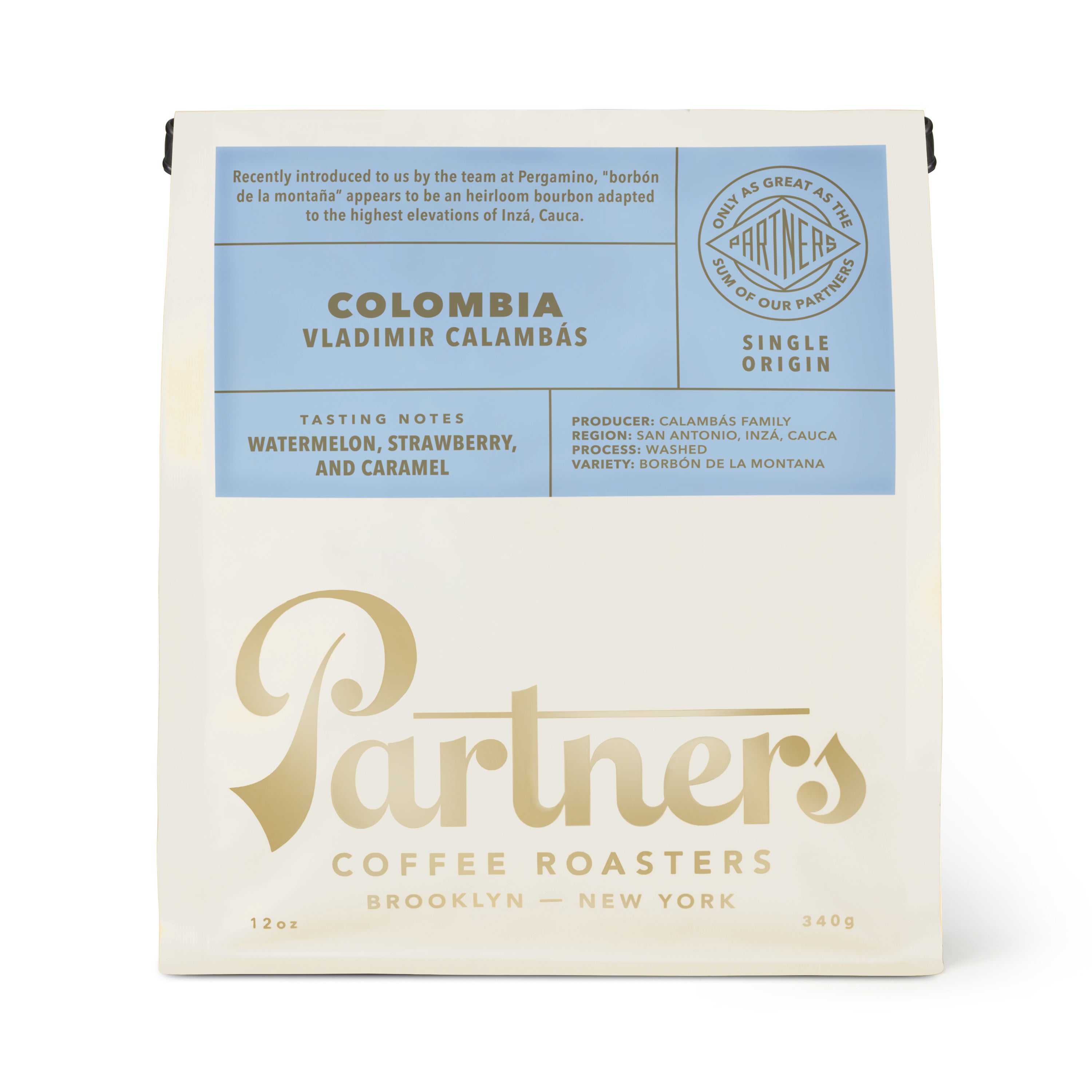
Borbón de la Montaña is a specific, localized mutation of the classic Bourbon variety, primarily identified in the Cauca region of Colombia. It is valued by producers and roasters for its distinct, high-quality cup profile, which often features enhanced floral and berry notes compared to standard Bourbon, representing the ongoing evolution of heirloom coffee genetics in high-altitude mountain environments.
Research entry updated 2026-10-06 · not source-audited · 4 sources
Borbón de la Montaña, or 'mountain bourbon,' is a localized mutation of the Bourbon variety that has gained recognition in the Colombian coffee sector, particularly within the Inzá municipality of the Cauca department. While the broader Bourbon lineage traces its origins to the French island of Réunion—where coffee plants brought from Yemen in the early 1700s adapted to a new environment—Borbón de la Montaña represents a more recent, site-specific adaptation. It was notably identified on an old estate near the village of San Vicente, where the unique microclimate and high-altitude conditions of the Andes likely influenced its development.
In the field, the plant retains the fundamental characteristics of the Bourbon lineage, which is one of the two primary ancestors of modern Arabica coffee. Like its parent, it is a tall-stature plant that is generally susceptible to major coffee diseases, including coffee leaf rust and coffee berry disease. These biological vulnerabilities mean that farmers who choose to cultivate it must manage their crops with high levels of care and investment, as the variety does not offer the inherent disease resistance found in modern, introgressed hybrids.
Despite these challenges, producers continue to cultivate Borbón de la Montaña because of its exceptional cup quality. In the cup, this variety is frequently noted for a silky mouthfeel and a complex flavor profile that distinguishes it from the standard washed coffees of the region. Where typical Cauca coffees might lean toward bright citrus, this mutation often presents pronounced floral aromatics and sweet berry notes, making it a highly sought-after lot for specialty roasters looking for unique, high-scoring microlots.
For the farmer, the decision to plant this variety is a calculated trade-off between yield and quality. Bourbon-derived varieties are known for having lower yield potential compared to modern dwarf cultivars, and their susceptibility to pests requires rigorous farm management. However, the premium prices commanded by high-quality, distinct varieties like Borbón de la Montaña provide an economic incentive that justifies the increased labor and risk associated with its cultivation.
From a genetic perspective, the variety is considered a useful mutation of the Bourbon group. It serves as a reminder of the genetic diversity present within traditional coffee populations. While it is not a distinct species, its emergence highlights how heirloom varieties continue to evolve and adapt to specific mountain topographies, creating 'landrace-like' characteristics that are highly prized in the specialty market.
Today, the story of Borbón de la Montaña stands as a testament to the importance of preserving and identifying regional coffee mutations. As the coffee industry moves toward more standardized, disease-resistant hybrids, the survival of such varieties depends on the commitment of producers and the willingness of the specialty market to reward the cultivation of fragile, high-quality plants. It remains a niche but significant example of how traditional coffee genetics continue to offer new sensory experiences for the consumer.
This topic connects to broader guides. Follow the sequence, or return to the complete TAG directory to explore other subjects.
Arabica, Robusta, Gesha—or a blend?
Learn species and varieties before comparing individual coffee profiles. A label alone cannot prove a lot's genetic identity.
Learn something new, follow the people behind your cup, or explore by flavor and tags.