
 Editorial illustration
🇨🇴Colombia
Colombia · Cauca
Colombia Finca Paraíso Castillo 7oz
Diego Bermudez
Intelligentsia Coffee
Finca El Paraíso
Castillo· Thermal Shock
Explore the profile →A papaya note usually means a coffee reminds the taster of papaya. It does not establish whether papaya was used during processing. Check the producer's disclosed ingredients and methods for that coffee.
The word can evoke ripe, mellow or musky tropical-fruit character. Such a comparison does not identify a particular chemical compound or processing method.
May be used for individual tropical-fruit-forward coffees, but no coffee origin or post-harvest process guarantees it.
Use ripe papaya as a separate reference if it is familiar to you. Smell the grounds and brewed coffee, then taste when comfortably warm and again as it cools. Compare the impression with mango, melon or other tropical fruit without forcing a match. Write down the aroma, sweetness and acidity you actually perceive. Do not infer a specific fermentation, growing region or added ingredient from the papaya label alone.
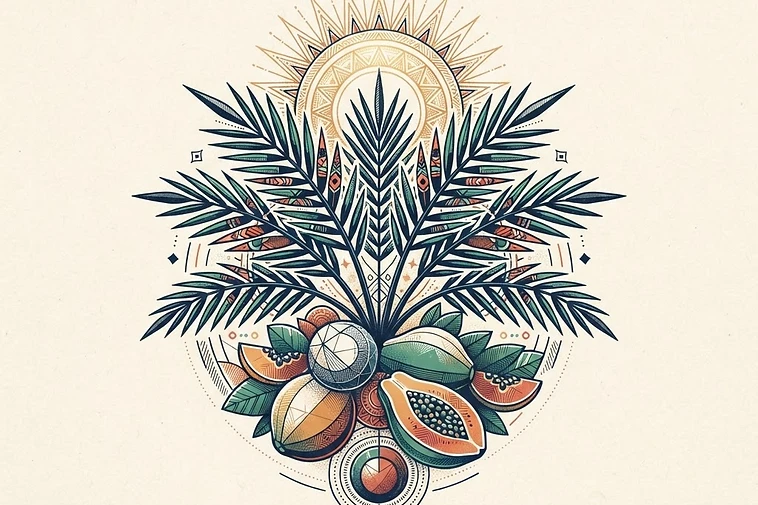
Can you actually perceive a papaya-like note? Brew a plain coffee, then describe it in three stages. Write your own impressions before reading the tasting notes on its bag. A descriptor is not evidence of a coffee's origin, ingredients, processing, or quality.
Notes stay in this browser's local storage until cleared; they are not submitted, scored, published or used as evidence for our reviews. For professional methodology see the SCA flavor-wheel guide.
Examples are selected from at most 80 recently updated matching coffee profiles, 40 exact-match outside reviews and 40 exact-coffee internet references. The numbers below describe this bounded sample, not a complete sitewide total. Zero means no matches in the sampled records, not that none exist elsewhere.
Editorial illustration


 Editorial illustration
 Editorial illustration
 Editorial illustration
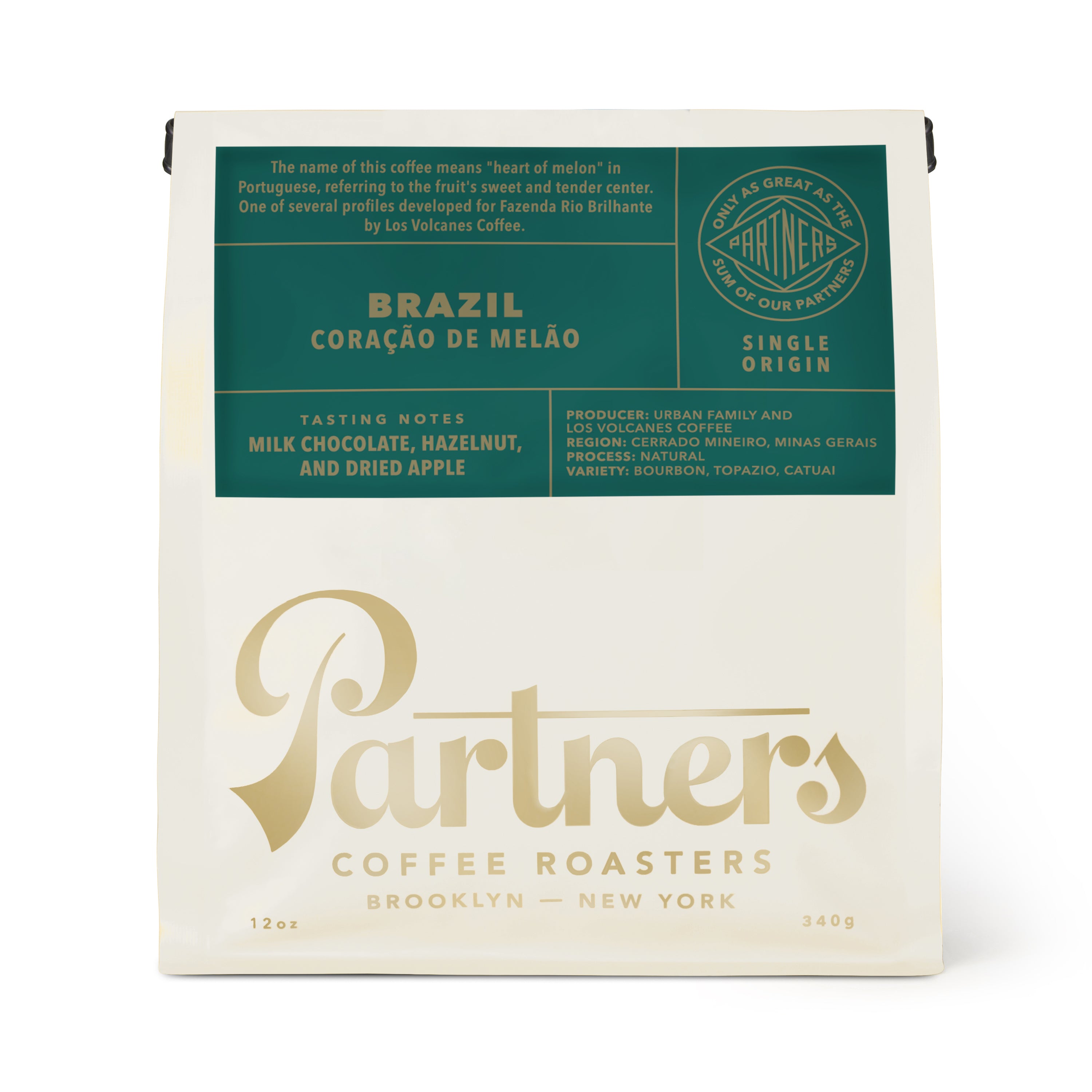
This is our editorial description of a sensory comparison. The independent SCA/WCR materials below explain how tasters develop a shared vocabulary; they do not verify the particular coffee origins, biochemical causes, processing methods or frequency claims on this page.
No descriptor-specific research citation has been verified for this entry yet. Treat specific causal and origin associations as editorial guidance, not as scientifically established facts.
Learn something new, follow the people behind your cup, or explore by flavor and tags.


