Worth the Price?
Understand bag sizes, cost per brew and documented coffee differences before judging value.
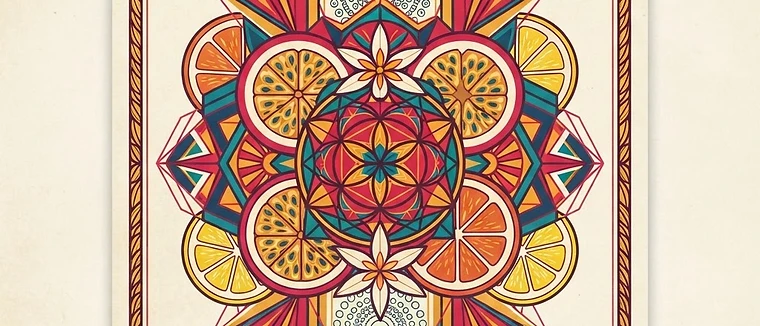
The most talked-about coffees on the internet are fermented with actual fruit — and almost nobody can explain what that means.
Co-fermentation means coffee ferments together with real fruit (or its pulp or juice) before drying — the fruit is then removed, and nothing is sprayed on the beans. It's not flavored coffee, it's not magic, and it's not always disclosed. It's fermentation science with a marketing problem.
Somewhere on your feed, a bag promises passion fruit, lychee or strawberry — and a small war breaks out in the comments: 'Is this flavored?' The answer, when it's done honestly, is no. In fruit co-fermentation, producers add real fruit to the fermentation tank, the fruit's own microbes and sugars join the ferment, and the whole thing is washed away before the coffee dries.
The result is a cup that takes its flavor direction from a fermentation the fruit participated in — not from anything coated onto the bean after roasting. Those are two entirely different products, and the difference is the whole story.
Fermentation is microbes eating sugar. In a normal , the only sugar available is the coffee's own sticky . Co-fermentation adds a second sugar source: passion fruit, strawberry, mandarin, cinnamon — whatever the producer chooses. The yeast and bacteria that arrive on that fruit join the party, and the aromatic compounds they produce soak into the seed's environment during the tank stage.
Then the producer opens the valve, washes everything out, and dries the coffee. The fruit never travels with it. What stays behind is a fermentation signature — tropical, candy-like, spiced — layered over the coffee's own character.
Colombian producers on the experimental frontier — names like Sebastián Ramírez of El Paraíso have become famous for it — discovered that co-fermented lots produce cups people cannot stop talking about, and talking about, at premium prices. The method has spread across Latin America faster than almost any processing idea in memory.
The honest version of that story: it's real skill. Running a stable fermentation with a second fruit in the tank is harder, not easier, and a bad batch can't be fixed. The less honest version: some lots get the fruit marketing without the disclosure of what was actually added.
Here's where our job starts. There is no agreed standard for what 'co-fermented' means, how much fruit was used, or what stage it entered. Some 'co-fermented' lots are exactly what they claim; others are vague marketing around processes the producer didn't document.
That's why every coffee in our database carries a neutral process label — TRADITIONAL PROCESS, CO-FERMENTED, INOCULATED FERMENTATION, FLAVORED AFTER ROASTING, or PROCESS NOT FULLY DISCLOSED — and why our Innovation encyclopedia documents each method honestly, including where terminology is genuinely contested.
Buy co-fermented lots from producers and roasters who tell you exactly what was added, when, and how much. Enjoy the tropical fireworks. And know exactly what you're tasting: fermentation science, not flavoring — and a farmer taking a calculated risk on a tank that could have gone wrong.
No directly verifiable external source links are recorded for this story. Its research claims require further verification.
Explore documented coffee differences, then choose a brewing method. Related profiles are research connections, not proof that we tasted each coffee.
Understand bag sizes, cost per brew and documented coffee differences before judging value.
Follow documented origins to farms and the people behind the coffee. A profile is distinct from an original interview.
Separate tasting vocabulary from processing claims, then explore coffee profiles and brewing methods.
Learn something new, follow the people behind your cup, or explore by flavor and tags.