Flavor · roast
Understand what you taste
Why floral, fruity, chocolatey or bright?
Use a tasting vocabulary, learn how perception works and search documented descriptors without treating roaster notes as our own tastings.
11 pages on this site carry this tag — reviews, profiles, answers and stories. Tags are derived from our documented data, never invented.
Medium-dark roast refers to a specific stage in the coffee roasting process, typically occurring around the onset of the second crack. It represents a balance where origin-specific acidity begins to fade, replaced by increased body, sweetness, and the emergence of roast-derived flavors like chocolate or caramel.
Research entry updated 2026-09-27 · not source-audited · 8 sources
Light, medium and dark are useful shopping and tasting labels, but they are not universal cut points. A coffee one roaster calls “light” can overlap another roaster’s “medium,” so compare labels most confidently within the same roaster and use measured roast color when precision matters.
The medium-dark roast category occupies a transitional space on the roasting spectrum, bridging the gap between the origin-focused profiles of lighter roasts and the heavy, roast-dominant profiles of darker roasts. In technical terms, this stage is often associated with the 'Full City' roast level, which typically occurs as the beans enter the second crack. At this point, the internal temperature of the bean has risen sufficiently to trigger significant chemical transformations, most notably the Maillard reactions, which produce melanoidins—compounds responsible for the brown color and nutty, malty aromatic qualities of the coffee.
For the roaster, achieving a medium-dark profile requires precise control over development time. Research indicates that roast color is a primary predictor of sensory attributes, often overshadowing the specific duration of the roast. As the coffee progresses into the medium-dark range, the heat drives moisture out of the bean and causes the cellular structure to expand. This expansion often results in the appearance of tiny droplets or faint patches of oil on the bean surface, a visual indicator that the roast character is becoming more prominent and the bean's original acidity is beginning to mute.
From the perspective of the farmer and the supply chain, the medium-dark roast represents a point where the 'terroir'—the unique characteristics imparted by soil, climate, and elevation—begins to diminish. While lighter roasts are often preferred for highlighting these specific origin traits, medium-dark roasts are frequently utilized to create a more uniform, approachable flavor profile. This makes the category highly significant for commercial and specialty roasters alike, as it provides a reliable, consistent cup that emphasizes body and sweetness over the bright, citrusy, or floral notes found in lighter roasts.
For the drinker, the medium-dark roast offers a sensory experience defined by a reduction in sharp acidity and an increase in bitterness and body. As the roast deepens, the complex, volatile compounds that create fruity or floral notes are gradually replaced by deeper, more caramelized flavors. This shift is a result of the non-enzymatic browning process, which reduces the perceived sweetness and fruitiness of the bean while enhancing the sensation of heaviness or 'mouthfeel' in the final brew.
Understanding this roast level is essential for navigating the coffee market, as terminology can vary significantly between roasters. While the Specialty Coffee Association (SCA) and various research bodies have utilized tools like the Agtron color scale to provide objective measurements, these numbers are rarely visible to the average consumer. Consequently, terms like 'Full City' or 'medium-dark' serve as shorthand for a specific sensory experience rather than a strictly standardized chemical definition.
Recent scientific investigations, including multi-study empirical research, have reinforced that roast color is the most significant driver of flavor differences in the cup. By studying the relationship between color, time, and sensory attributes, the industry continues to refine its understanding of how heat application alters the chemical composition of the green seed. This ongoing research is vital for the Coffee Science Foundation and the SCA as they work toward developing standardized terminology that can help consumers make more informed purchasing decisions.
Ultimately, the medium-dark roast stands as a testament to the transformative power of heat. It is a deliberate choice to move away from the raw, woody characteristics of the green bean and toward a developed, aromatic product. Whether viewed through the lens of sensory science or the practical demands of the coffee industry, this roast level remains a cornerstone of the global coffee experience, balancing the inherent qualities of the origin with the profound influence of the roasting process.
This topic connects to broader guides. Follow the sequence, or return to the complete TAG directory to explore other subjects.
Why floral, fruity, chocolatey or bright?
Use a tasting vocabulary, learn how perception works and search documented descriptors without treating roaster notes as our own tastings.
What brewer, grind or recipe should I try?
Move from brewing fundamentals into method recipes and troubleshooting. Equipment rankings are research-based unless independently tested.
 Editorial illustration
 Editorial illustration
Blend · Component origins documented on the coffee profile where available

Blend · Component origins documented on the coffee profile where available

 Editorial illustration
Blend · Component origins documented on the coffee profile where available

Blend · Component origins documented on the coffee profile where available

Blend · Component origins documented on the coffee profile where available

Blend · Component origins documented on the coffee profile where available
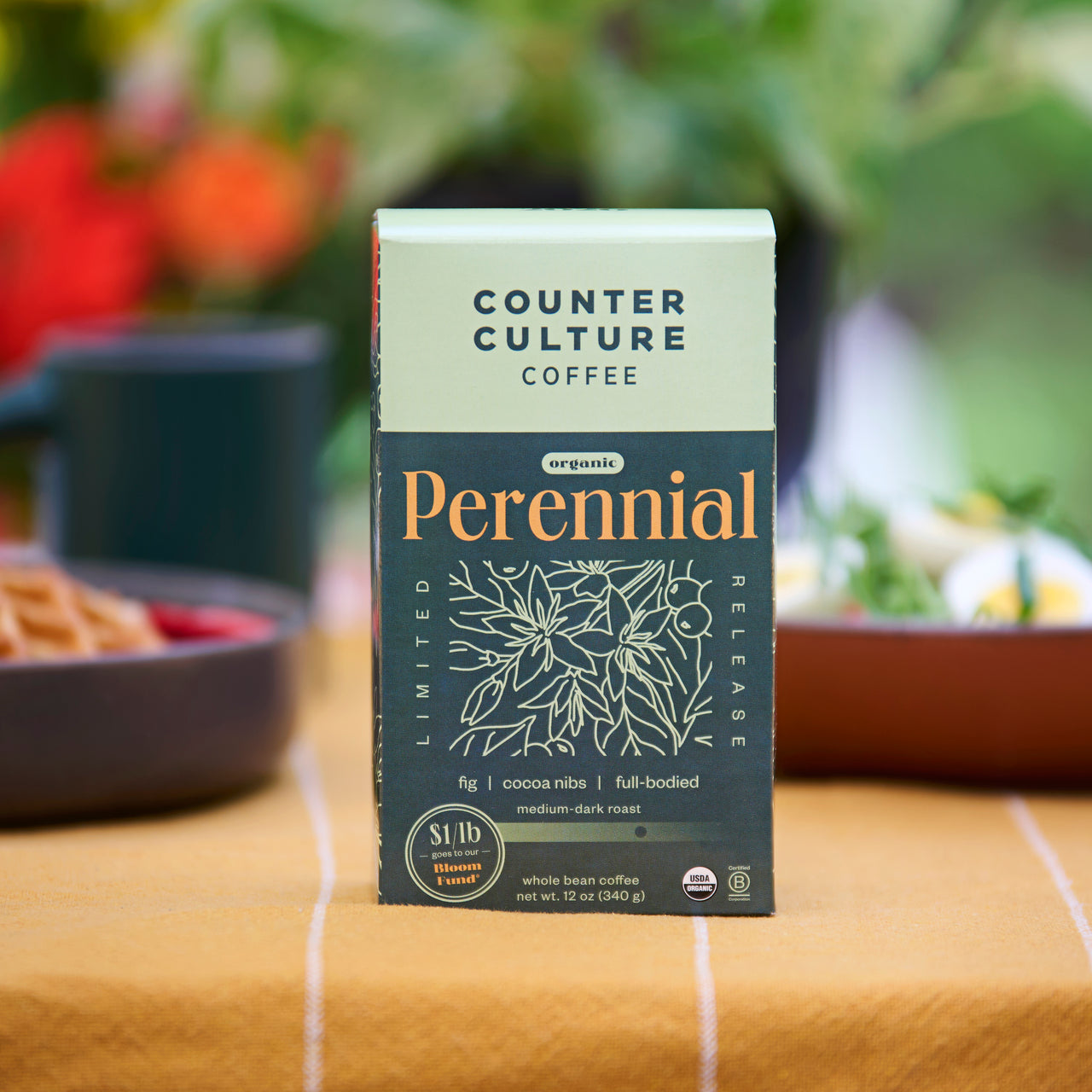
 Editorial illustration
Blend · Component origins documented on the coffee profile where available

Blend · Component origins documented on the coffee profile where available
Learn something new, follow the people behind your cup, or explore by flavor and tags.


