Flavor · roast
Understand what you taste
Why floral, fruity, chocolatey or bright?
Use a tasting vocabulary, learn how perception works and search documented descriptors without treating roaster notes as our own tastings.
565 pages on this site carry this tag — reviews, profiles, answers and stories. Tags are derived from our documented data, never invented.
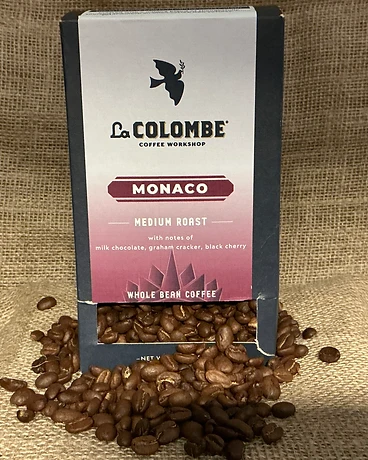
Medium roast is the broad middle of the roast-color spectrum between lighter and darker styles, but there is no universal global cutoff that every roaster follows. It is best understood as a relative label: roast-derived flavor is more developed than in a lighter profile while differences among coffees can still remain clearly perceptible.
Source-audited 2026-10-07 · 4 sources
Light, medium and dark are useful shopping and tasting labels, but they are not universal cut points. A coffee one roaster calls “light” can overlap another roaster’s “medium,” so compare labels most confidently within the same roaster and use measured roast color when precision matters.
Medium roast sounds precise, but in practice it is a broad middle category. There is no single temperature, roast time, milestone, or color number that every roaster worldwide uses to define it. Specialty Coffee Association reporting and UC Davis research both point to roast color as a major, measurable part of roast level while showing why light, medium, and dark can vary from company to company.
During roasting, coffee loses moisture, changes structure, browns, and develops aroma and flavor through heat-driven reactions. Medium roast sits between the lighter and darker ends of that progression. That does not make it a mathematical midpoint, and it does not mean every medium roast has the same chemistry or sensory result. Green coffee, roast profile, equipment, batch size, and final color all matter.
Sensory language around medium roast is often summarized as balanced, but that should be treated as a tendency rather than a guarantee. Compared with a lighter roast of the same coffee, a medium profile may show more roast-developed sweetness or browning character and somewhat less sharp perceived acidity. Compared with a darker roast, it may preserve more distinction among origins and lots. Those comparisons are strongest when the coffees are otherwise similar.
For shoppers, medium is most useful as a signal of a roaster’s intended style. Compare it with that same roaster’s light and dark offerings, read the coffee-specific tasting notes, and look for measured roast information when available. A medium roast from one company may overlap a light or dark label from another.
Medium roast does not prescribe a brewing method or one recipe. Filter, immersion, moka pot, and espresso can all work with medium-roasted coffee depending on the coffee and the recipe. There is also no automatic quality hierarchy: a well-executed medium roast can preserve meaningful origin character while adding roast-developed flavors many drinkers enjoy.
This topic connects to broader guides. Follow the sequence, or return to the complete TAG directory to explore other subjects.
Why floral, fruity, chocolatey or bright?
Use a tasting vocabulary, learn how perception works and search documented descriptors without treating roaster notes as our own tastings.
What brewer, grind or recipe should I try?
Move from brewing fundamentals into method recipes and troubleshooting. Equipment rankings are research-based unless independently tested.
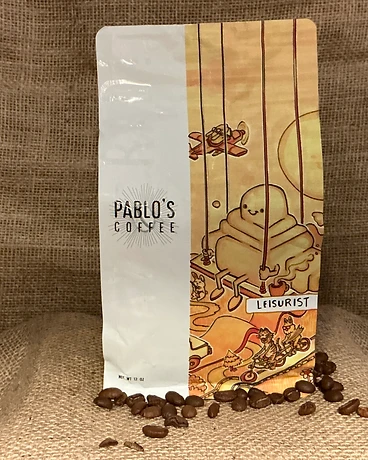
Blend · Component origins documented on the coffee profile where available
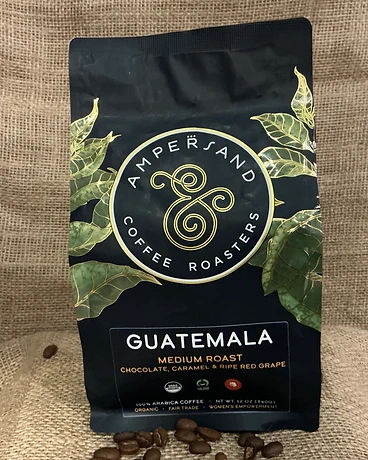
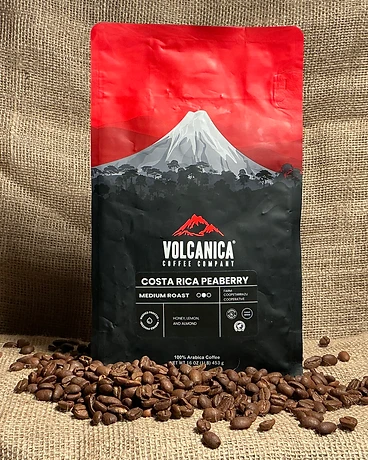
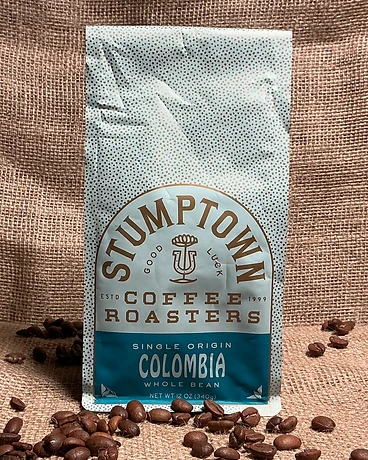

 Editorial illustration
 Editorial illustration

 Editorial illustration


Learn something new, follow the people behind your cup, or explore by flavor and tags.


