Washed · natural · honey
Trace the processing choices
How did the cherry become coffee?
Compare established processing families, then explore modern fermentation techniques without confusing processing with flavoring.
17 pages on this site carry this tag — reviews, profiles, answers and stories. Tags are derived from our documented data, never invented.
The 'Region undisclosed' tag identifies coffee lots where specific geographic origin data is withheld or unavailable. This practice often occurs due to proprietary blending, supply chain complexity, or the use of commodity exchange systems that obscure farm-level details, which can hinder efforts toward industry-wide transparency and traceability.
Research entry updated 2026-10-06 · not source-audited · 6 sources
In the specialty coffee industry, the 'Region undisclosed' tag serves as a marker for information gaps within the supply chain. While the modern specialty movement prioritizes traceability—often providing specific farm names, altitudes, and processing methods—many coffees still reach the market without precise geographic attribution. This lack of disclosure can stem from various logistical, commercial, or structural factors that prevent the full story of a coffee's origin from reaching the final consumer.
One primary driver of undisclosed origins is the reliance on commodity exchange systems, such as the Ethiopian Commodity Exchange (ECX). In such models, coffee from numerous smallholders is aggregated into large lots based on quality grades rather than specific farm locations. This process, while efficient for volume, effectively strips away the granular geographic data that specialty roasters and consumers typically seek, resulting in labels that may only reflect a broad administrative zone or a generic regional designation.
For roasters and importers, the decision to withhold or omit specific regional data can also be a matter of proprietary blending. When a product is marketed as a consistent house blend or a specific flavor profile, the exact composition of the beans may change seasonally to maintain sensory stability. In these instances, the 'Region undisclosed' status reflects a business model that prioritizes the final cup profile over the individual provenance of the constituent components.
From the perspective of the farmer, the absence of regional disclosure can be a significant barrier to market recognition. Transparency initiatives, such as those championed by organizations like the Specialty Coffee Association, emphasize that knowing the origin is essential for equitable trade and sustainability. When a region remains undisclosed, it becomes difficult for producers to build a reputation for their specific terroir, potentially limiting their ability to command premium prices for high-quality, site-specific harvests.
For the consumer, this tag highlights the ongoing tension between the industry's desire for total transparency and the realities of global logistics. While initiatives like Trase and various corporate transparency reports are working to map supply chains more accurately, the complexity of international trade means that some coffee remains 'anonymous' by design or necessity. Understanding this tag requires recognizing that not all coffee is sourced through direct, farm-to-cup relationships where every detail is documented.
Ultimately, the 'Region undisclosed' tag acts as a reminder of the work remaining in the specialty sector. As the industry shifts from voluntary disclosure to more rigorous supply chain due diligence, the prevalence of such tags may decrease. However, until global trade systems fully integrate granular traceability, this tag will continue to categorize coffees that exist outside the current standard of complete, verifiable origin reporting.
This topic connects to broader guides. Follow the sequence, or return to the complete TAG directory to explore other subjects.
How did the cherry become coffee?
Compare established processing families, then explore modern fermentation techniques without confusing processing with flavoring.
What brewer, grind or recipe should I try?
Move from brewing fundamentals into method recipes and troubleshooting. Equipment rankings are research-based unless independently tested.

Blend · Component origins documented on the coffee profile where available


Blend · Component origins documented on the coffee profile where available

Blend · Component origins documented on the coffee profile where available

Blend · Component origins documented on the coffee profile where available
 Editorial illustration
 Editorial illustration
 Editorial illustration
 Editorial illustration
Blend · Ethiopia · Colombia · Mexico
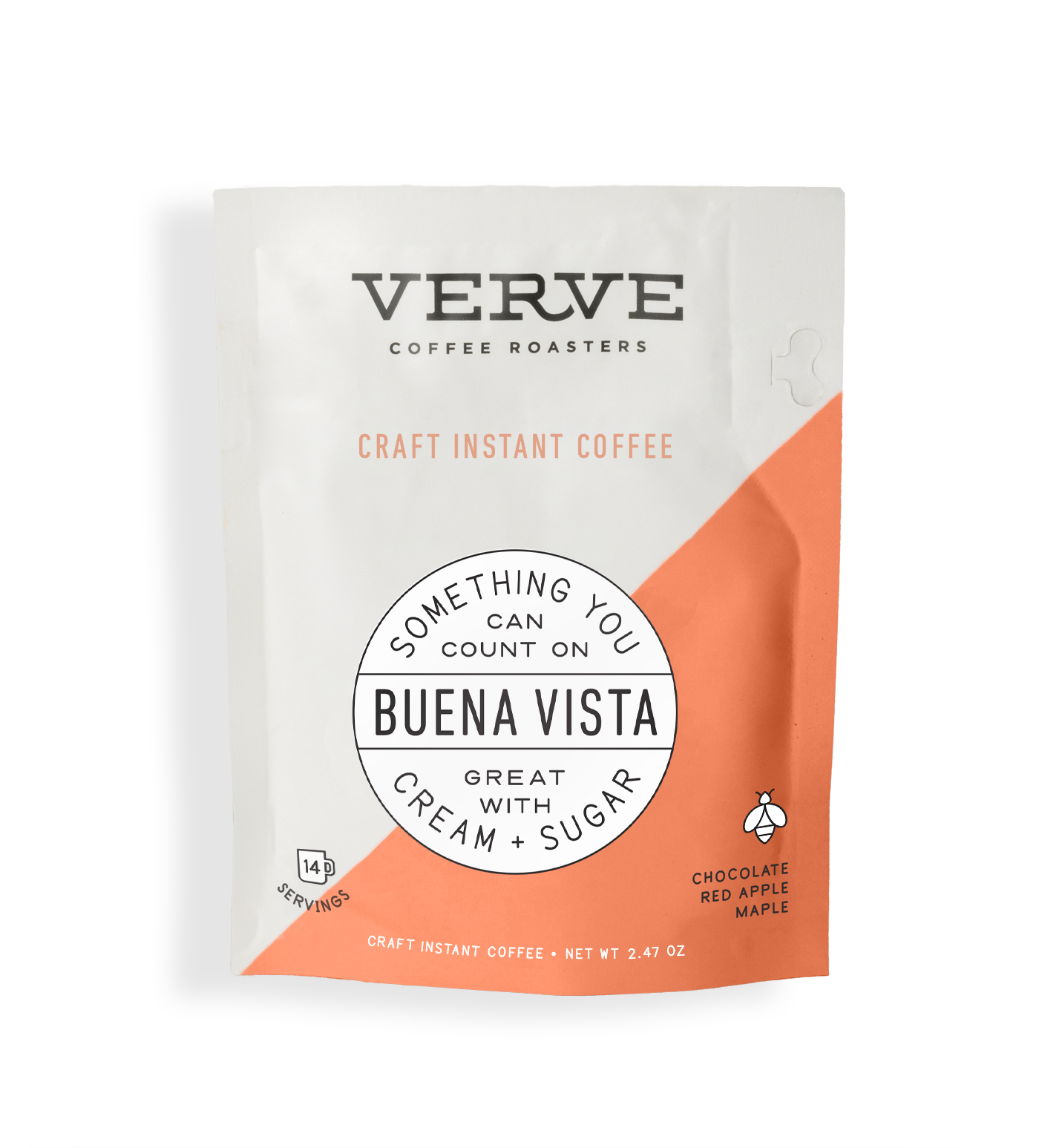
Blend · Component origins documented on the coffee profile where available
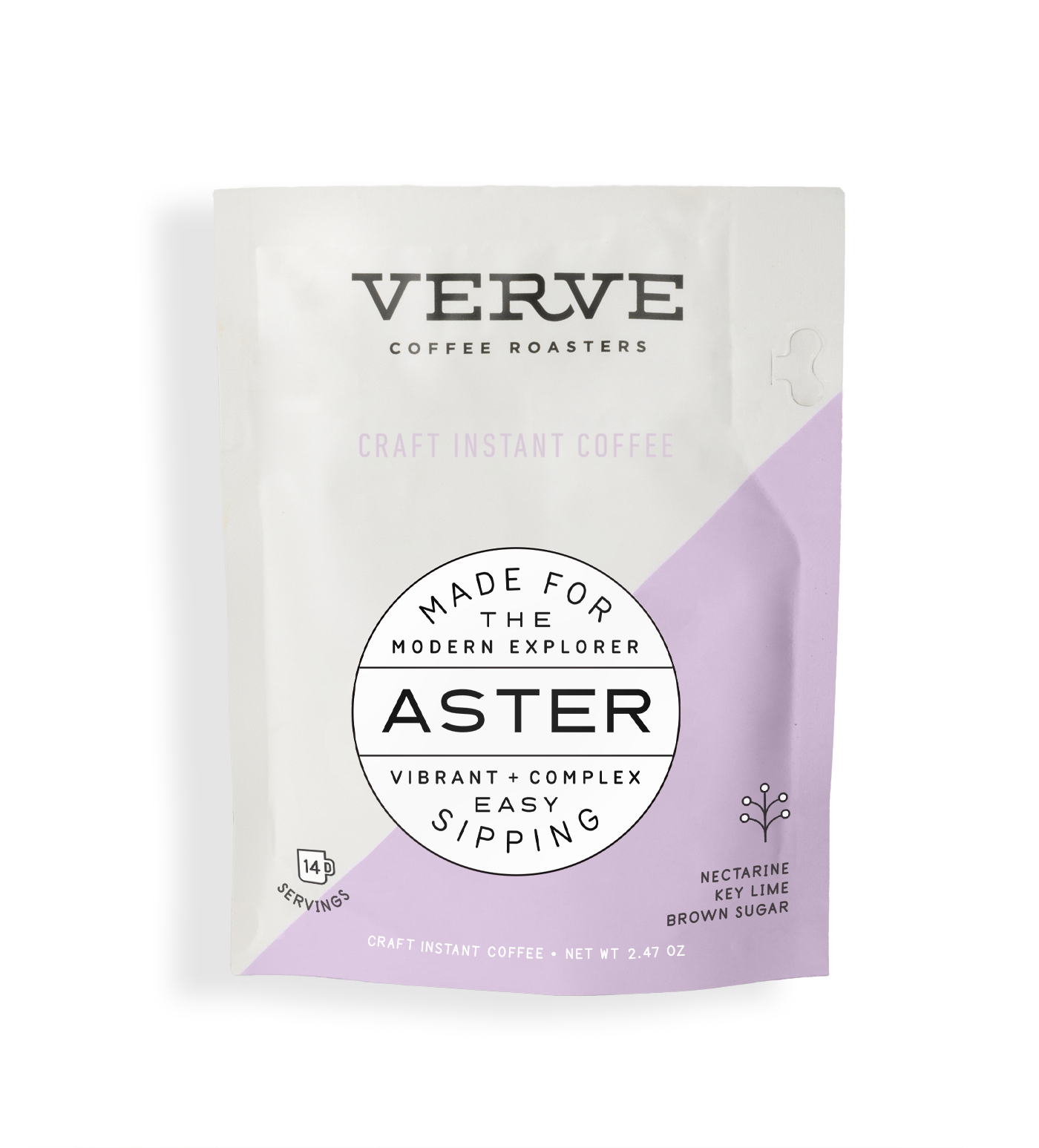
Blend · Component origins documented on the coffee profile where available
 Editorial illustration
Learn something new, follow the people behind your cup, or explore by flavor and tags.


