
Online rating
🇨🇴Colombia
1 page on this site carry this tag — reviews, profiles, answers and stories. Tags are derived from our documented data, never invented.
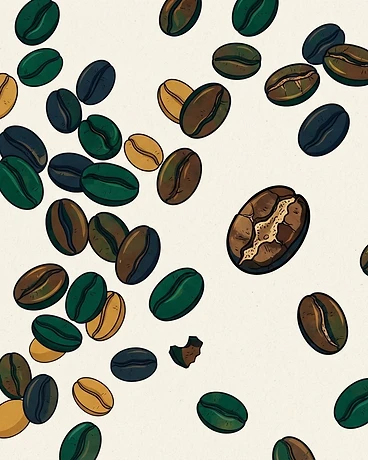
In the context of coffee cultivars, the 'Mixed' tag denotes a lot composed of multiple distinct genetic varieties rather than a single purebred cultivar. This classification is critical because it signals a lack of genetic uniformity, which directly impacts the coffee’s agronomic performance, maturation rates, and sensory profile. By identifying coffee as 'Mixed,' roasters and consumers can better understand the inherent variability in the cup, as these lots often blend the diverse characteristics of several different varieties rather than displaying a singular, predictable profile.
The term 'Mixed' in coffee variety classification refers to lots containing a deliberate or accidental blend of different cultivars, such as Caturra, Castillo, Bourbon, or Typica, grown together on the same farm or within the same harvest lot. Unlike pure-line varieties or specific F1 hybrids, a 'Mixed' designation indicates that the genetic lineage is heterogeneous. This often occurs in traditional farming systems where producers interplant varieties to hedge against crop failure, or in regions where historical replanting practices have left farms with a mosaic of different coffee trees.
From an agronomic perspective, the primary challenge of a 'Mixed' variety lot is the lack of synchronized maturation. Different coffee cultivars possess distinct physiological traits, including varying ripening times and susceptibility to environmental stressors. When a farm contains a mix of varieties, cherries may ripen at different rates, forcing harvesters to either conduct multiple passes—increasing labor costs—or risk picking under-ripe and over-ripe cherries simultaneously. This variability requires rigorous post-harvest processing management to ensure consistent quality in the final product.
Disease resistance in 'Mixed' populations is entirely dependent on the specific cultivars included in the blend. Historically, farmers chose to mix traditional, susceptible varieties like Bourbon with more resilient, rust-resistant hybrids like Castillo or Colombia. This strategy acts as a biological insurance policy; if a specific pathogen or climate anomaly devastates one variety, the other components of the mixed population may survive, ensuring that the farmer retains at least a portion of their yield.
Where this practice is most prevalent, it often reflects a transition period in coffee breeding or regional tradition. In countries like Colombia or parts of Central America, smallholder farms often contain 'mixed' blocks because extension services introduced new, disease-resistant varieties over decades without completely eradicating the existing older stock. As a result, the genetic makeup of the harvest changes slightly year-over-year, depending on which trees are most productive or which have been pruned or replaced.
For the roaster, 'Mixed' lots present a unique challenge and opportunity. Because the bean density, size, and chemical composition vary across different cultivars, achieving an even roast can be technically demanding. However, when managed well, these lots can offer a complex cup profile that combines the high-acidity, floral notes of traditional Arabica varieties with the body and sweetness found in newer, hardier cultivars. The result is often a balanced, multifaceted flavor experience that is difficult to replicate with a single-variety lot.
For the producer, the decision to maintain a 'Mixed' population is frequently driven by economic stability rather than marketability. While single-variety lots often command higher premiums in the specialty sector, the reliability of a mixed field—which offers better protection against pests like Coffee Leaf Rust (Hemileia vastatrix) and climate volatility—often outweighs the potential gains of a specialized, high-risk monoculture. Consequently, the 'Mixed' tag remains a fundamental, if sometimes overlooked, aspect of coffee production.
Ultimately, the story of 'Mixed' coffee is a reflection of the reality of coffee farming: a constant negotiation between genetic potential, environmental pressure, and the need for a consistent livelihood. While the specialty industry often prioritizes the purity of 'Heirloom' or 'Varietal-specific' lots, the 'Mixed' lot serves as a testament to the adaptive strategies farmers have utilized for generations. Understanding this tag is essential for anyone looking to bridge the gap between farm-level agronomy and the final, complex sensory experience in the cup.