Place · people
Follow coffee to its origin
Who grew it, and where?
Start with the growing landscape, move into origin guides, then inspect farm and producer records. Not every coffee names an individual farmer.
7 pages on this site carry this tag — reviews, profiles, answers and stories. Tags are derived from our documented data, never invented.
Quindío is a central department in Colombia’s UNESCO-listed Coffee Cultural Landscape, renowned for producing high-quality Arabica coffee within the Andean mountains. It is essential to the global coffee industry for its role in defining the classic, balanced Colombian cup profile while increasingly serving as a hub for experimental processing and specialty micro-lots.
Research entry updated 2026-09-28 · not source-audited · 8 sources
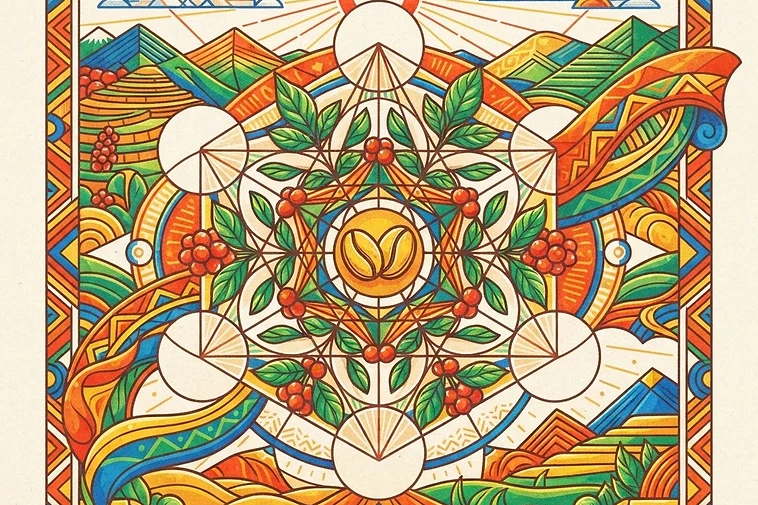
Quindío sits at the heart of Colombia’s coffee identity, forming a vital part of the 'Coffee Triangle' or Eje Cafetero alongside Caldas and Risaralda. Located in the central Andes, this department is globally recognized as a UNESCO World Heritage site, specifically designated as the Coffee Cultural Landscape. This region is not merely a production zone but a symbol of Colombian heritage, characterized by its traditional bamboo-built casonas, steep mountain slopes, and a deep-rooted history of smallholder farming that has shaped the country's national iconography.
Coffee cultivation in Quindío thrives in the 'tierra templada,' a temperate climate zone that benefits from the region's unique volcanic soil and consistent equatorial rainfall. The department’s geography, with altitudes typically ranging from 1,400 to 2,000 meters above sea level, creates ideal conditions for high-quality Arabica production. These microclimates allow for a steady, year-round supply of coffee, supported by two distinct harvest periods: the main harvest occurring between September and December, and the 'mitaca' or secondary harvest from April to June.
Historically, Quindío was the backbone of the 'Colombian Excelso' standard, producing mild, balanced coffees with notes of caramel, red apple, and citrus. While these classic profiles remain a staple of the region, the contemporary landscape has shifted toward innovation. Producers are increasingly moving beyond traditional washed processes, experimenting with honey and natural methods to highlight the inherent qualities of their terroir. This evolution is supported by the National Federation of Coffee Growers (FNC) and research institutions like Cenicafé, which provide the infrastructure for farmers to improve productivity and resilience.
Varietal diversity is a hallmark of modern Quindío. While traditional cultivars like Caturra, Typica, and the rust-resistant Castillo remain widely planted, forward-thinking producers are cultivating experimental varieties to meet the demands of the specialty market. This shift is driven by a new generation of farmers who combine ancestral knowledge with modern agronomy and processing techniques, often working as Q-graders or consultants to push the boundaries of what Colombian coffee can achieve in international competitions.
Individual farms and producers have become central to the region's reputation. For instance, estates like Finca Campo Hermoso, led by innovators such as Edwin Noreña, exemplify the current trend of combining sustainable, eco-friendly farming with rigorous experimental processing. These producers are not only focused on yield but on creating distinctive, high-scoring lots that command premium prices, effectively bridging the gap between traditional commodity production and the high-end specialty sector.
Beyond the farm gate, Quindío has integrated coffee into its economic and cultural fabric through tourism. The Parque Nacional del Café, established in collaboration with the FNC, serves as a testament to the region's commitment to coffee education and heritage. This intersection of agriculture and tourism allows visitors to engage directly with the production process, from the planting of seedlings to the final cup, reinforcing the region's status as a premier destination for coffee professionals and enthusiasts alike.
Today, Quindío stands as a microcosm of the broader Colombian coffee industry: a blend of deep-seated tradition and rapid, quality-focused innovation. For the roaster, it offers a reliable source of balanced, high-quality beans; for the drinker, it provides a window into one of the world’s most sophisticated coffee-growing landscapes. As the region continues to refine its processing techniques and focus on high-value micro-lots, it remains a cornerstone of the specialty coffee world.
This topic connects to broader guides. Follow the sequence, or return to the complete TAG directory to explore other subjects.
Who grew it, and where?
Start with the growing landscape, move into origin guides, then inspect farm and producer records. Not every coffee names an individual farmer.
 Editorial illustration
 Editorial illustration
 Editorial illustration
Learn something new, follow the people behind your cup, or explore by flavor and tags.


