Place · people
Follow coffee to its origin
Who grew it, and where?
Start with the growing landscape, move into origin guides, then inspect farm and producer records. Not every coffee names an individual farmer.
2 pages on this site carry this tag — reviews, profiles, answers and stories. Tags are derived from our documented data, never invented.
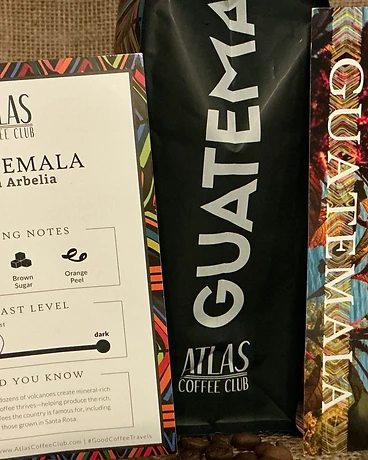
Santa Rosa is a prominent coffee-producing department in southeastern Guatemala, characterized by high-altitude, volcanic terrain that supports the cultivation of high-quality Arabica coffee. It is highly regarded for producing Strictly Hard Bean (SHB) coffees that typically exhibit a balanced profile with notes of cocoa, caramel, and bright citrus acidity.
Research entry updated 2026-09-28 · not source-audited · 6 sources
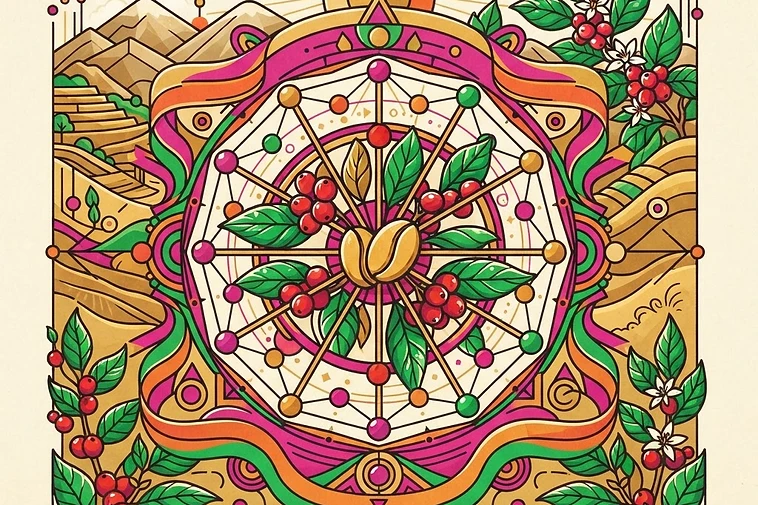
Santa Rosa is a vital coffee-producing department located in the south-central and southeastern regions of Guatemala. It is widely recognized in the specialty coffee industry for its diverse microclimates and nutrient-rich volcanic soils, which provide an ideal environment for the slow maturation of coffee cherries. This slow development is essential for concentrating the sugars and acids that define the cup profile of high-quality Guatemalan coffee, often resulting in a clean, buttery body and a complex, sweet finish.
The region's geography is defined by its volcanic history, including areas near the Laguna de Ayarza, a double caldera formed thousands of years ago. The surrounding landscape is covered in mineral-rich pumice and metamorphic rock, which distinguishes the soil composition from other Guatemalan regions. These geological foundations, combined with consistent rainfall and high elevations—often ranging from 1,200 to 2,000 meters above sea level—create the conditions necessary for the production of Strictly Hard Bean (SHB) coffee, a classification reserved for beans grown at high altitudes.
Coffee cultivation in Santa Rosa is largely driven by smallholder farmers, many of whom rely on regional wet mills to process their harvests. Because many individual farms lack the infrastructure to process their own coffee, centralized facilities like 'El Boqueron' play a critical role in the supply chain. These mills handle the depulping, fermentation, and drying processes, ensuring that the coffee meets the rigorous standards required for export and specialty markets. In recent years, while the washed process remains the standard, there has been an increase in the production of natural-processed coffees in the region.
Typical varieties cultivated across Santa Rosa include Bourbon, Caturra, Catuai, Pache, and Anacafe 14. The diversity of these varieties, paired with the region's varied topography, allows for a wide spectrum of flavor profiles. Drinkers can expect a consistent base of mellow cocoa and praline, often accented by bright notes of red apple, citrus, or pear, depending on the specific farm and processing method employed.
Production in Santa Rosa is a community-oriented endeavor. For instance, some regional offerings are composed of blends from multiple dedicated producers within municipalities like Mataquescuintla and San Pedro Pinula. This collaborative approach allows small-scale farmers to aggregate their harvests, ensuring consistent quality and volume for roasters while maintaining the distinct character of the Santa Rosa terroir.
It is important for readers to distinguish between the department of Santa Rosa and similarly named estates found elsewhere. For example, while Santa Rosa is a region in Guatemala, there are unrelated farms such as Finca Santa Rosa in Chiapas, Mexico, which operate independently. Within Guatemala, the region is often associated with the broader coffee culture of the southeastern highlands, where the tradition of coffee farming has been a cornerstone of the local economy since the mid-20th century.
Today, Santa Rosa stands as a testament to the importance of volcanic terroir in specialty coffee. For the roaster, it offers a reliable, high-quality origin that balances sweetness and acidity; for the consumer, it provides a classic, approachable cup that highlights the unique environmental conditions of Guatemala's volcanic highlands. As the industry continues to focus on sustainability and traceability, the role of regional cooperatives and centralized mills in Santa Rosa remains central to the region's ongoing success.
This topic connects to broader guides. Follow the sequence, or return to the complete TAG directory to explore other subjects.
Who grew it, and where?
Start with the growing landscape, move into origin guides, then inspect farm and producer records. Not every coffee names an individual farmer.
Learn something new, follow the people behind your cup, or explore by flavor and tags.