
🇧🇮Burundi
Burundi · Kayanza
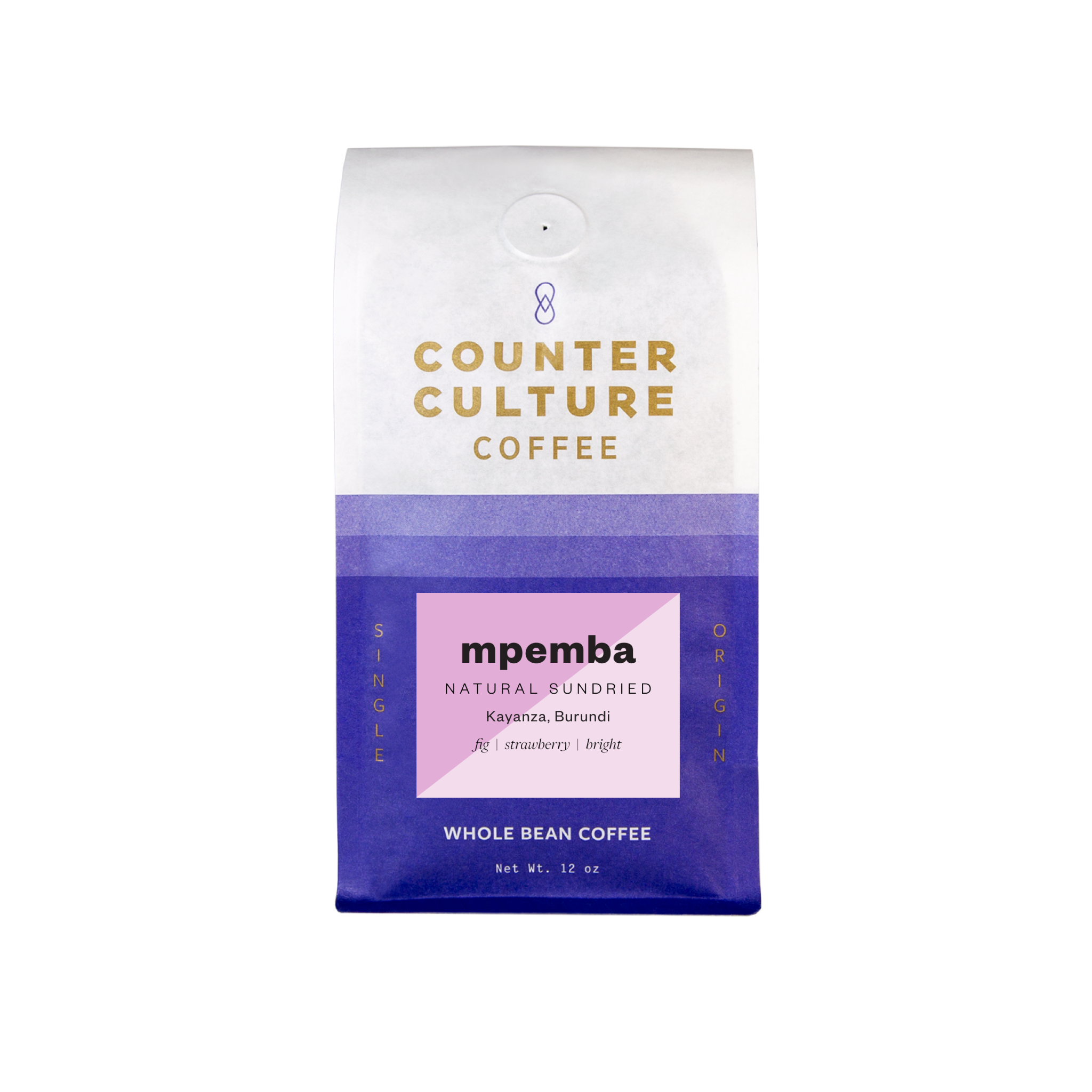
Burundi Yandaro Natural
Greenco
Intelligentsia Coffee
Yandaro Washing Station
· Natural
Explore the profile →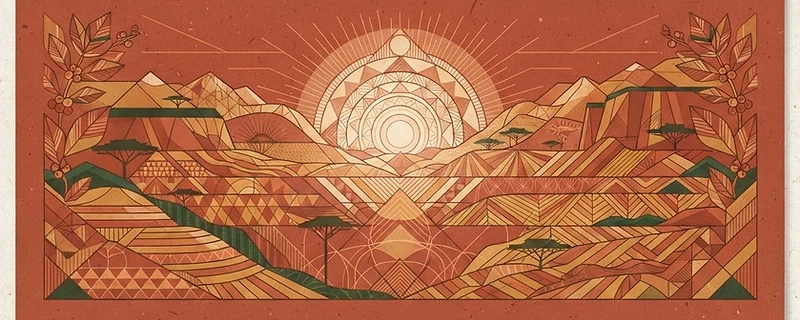
Editorial illustration · not a verified photograph of this location
A small landlocked country straddling the Nile–Congo watershed, Burundi grows coffee on the collines — the forested hills that cover much of its terrain — predominantly old Bourbon plantings at high altitude. Fully washed processing through centralized washing stations defines its specialty output, with a cup that sits alongside Rwanda's: bright, tea-like and juicy.
Coffee arrived with Belgian colonial rule in the 1930s, and for decades the crop was run through the government-controlled Sogestal system, which blended station lots into bulk exports. Liberalization allowed individual washing stations to keep lots separate and market them directly — the change that opened Burundi's Kayanza and Ngozi hills to the specialty market. Potato defect, caused by antestia insect damage, remains the origin's best-known quality challenge.
Muyinga Province is located in the northeastern corner of Burundi and features a landscape of steep hills and ridges typical of the central highlands. Coffee farms in this region generally sit at altitudes between 1,500 and 2,000 meters above sea level. The area benefits from volcanic soils and a temperate tropical climate with abundant annual rainfall. These conditions contribute to a distinct cup profile often characterized by fruit-forward intensity, chocolatey depth, and a balanced sweetness.
Region guide →Karuzi is the Burundian province identified for Intelligentsia's Grand Cru Auction Lot in exact-product catalog records. The coffee was sourced through JNP Coffee's first private Grand Cru Burundi auction. This record does not assign an undisclosed washing station, farmer group, elevation, or harvest to the lot.
Region guide →Ngozi is a northern Burundi province and the documented home of the women-led Turihamwe Turashobora washing-station project. JNP Coffee identifies Turihamwe at 1,750 m and lists fully washed processing; Burundi coffees in its program are heirloom Bourbon, including Jackson and Mibirizi subvarieties.
Region guide →Muramvya is a province in Burundi associated here with Gaharo Hill and the Bukeye washing station. The linked SEY release documents coffee grown from 1,700 to 2,100 meters. This entry does not generalize one lot’s variety, process, or cup profile to the whole province.
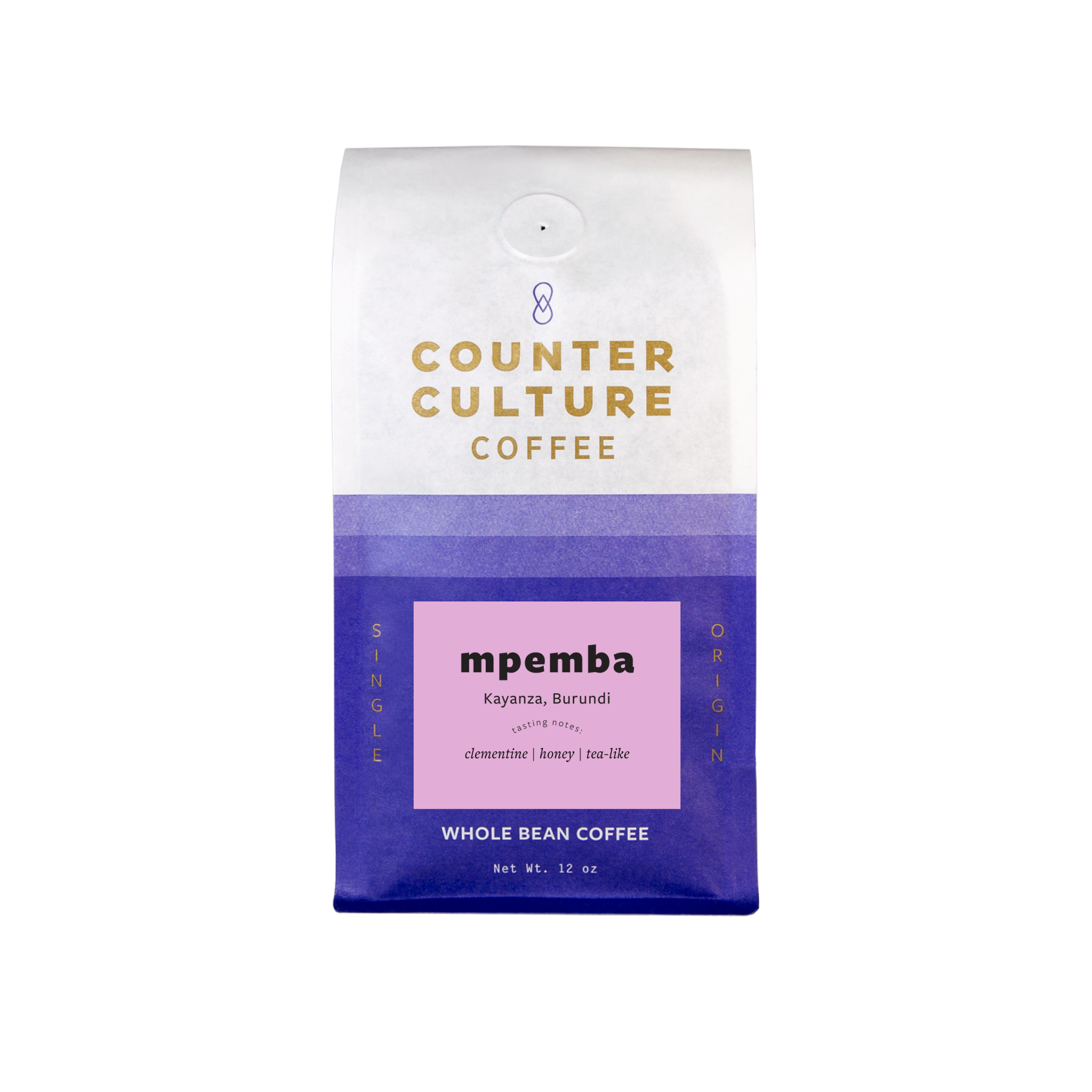
Region guide →Kayanza is a province in northern Burundi, on the high hills just across the border from Rwanda's southern coffee districts. It is one of Burundi's flagship specialty origins, recognized in the trade for high elevations, fertile soils and a favorable growing climate. Like its neighbors, Kayanza is a smallholder landscape organized around centralized washing stations: documented stations include Nemba, whose fully washed Red Bourbon lots circulate widely in the specialty trade, plus Ninga, with lots documented at 1,800–2,000 m, and Karinzi, with lots around 1,740–1,800+ m. Farmer plots climb the hills above the stations; Red Bourbon is the overwhelming variety, processed fully washed and dried on raised beds in the Burundian style. In the cup, Kayanza lots sit in the Burundian family alongside Rwanda's — bright citric and malic acidity, black-tea florals, and a plush, juicy sweetness — with the higher hills often giving extra structure. That is a general tendency, never a guarantee, and every lot is station- and season-specific.
Region guide →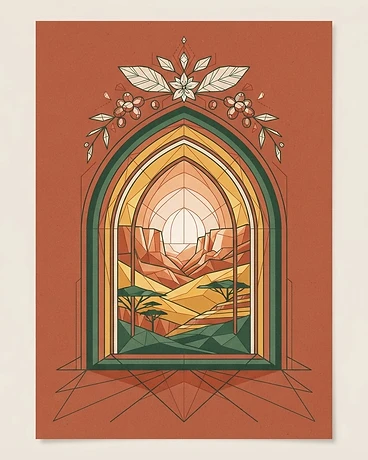 Editorial illustration
 Editorial illustration
 Editorial illustration

 Editorial illustration
 Editorial illustration


Learn something new, follow the people behind your cup, or explore by flavor and tags.


