
 Editorial illustration
🇲🇽Mexico
Mexico · Sierra Sur, Oaxaca
Pompilio Garcia Luna
Pompilio Garcia Luna
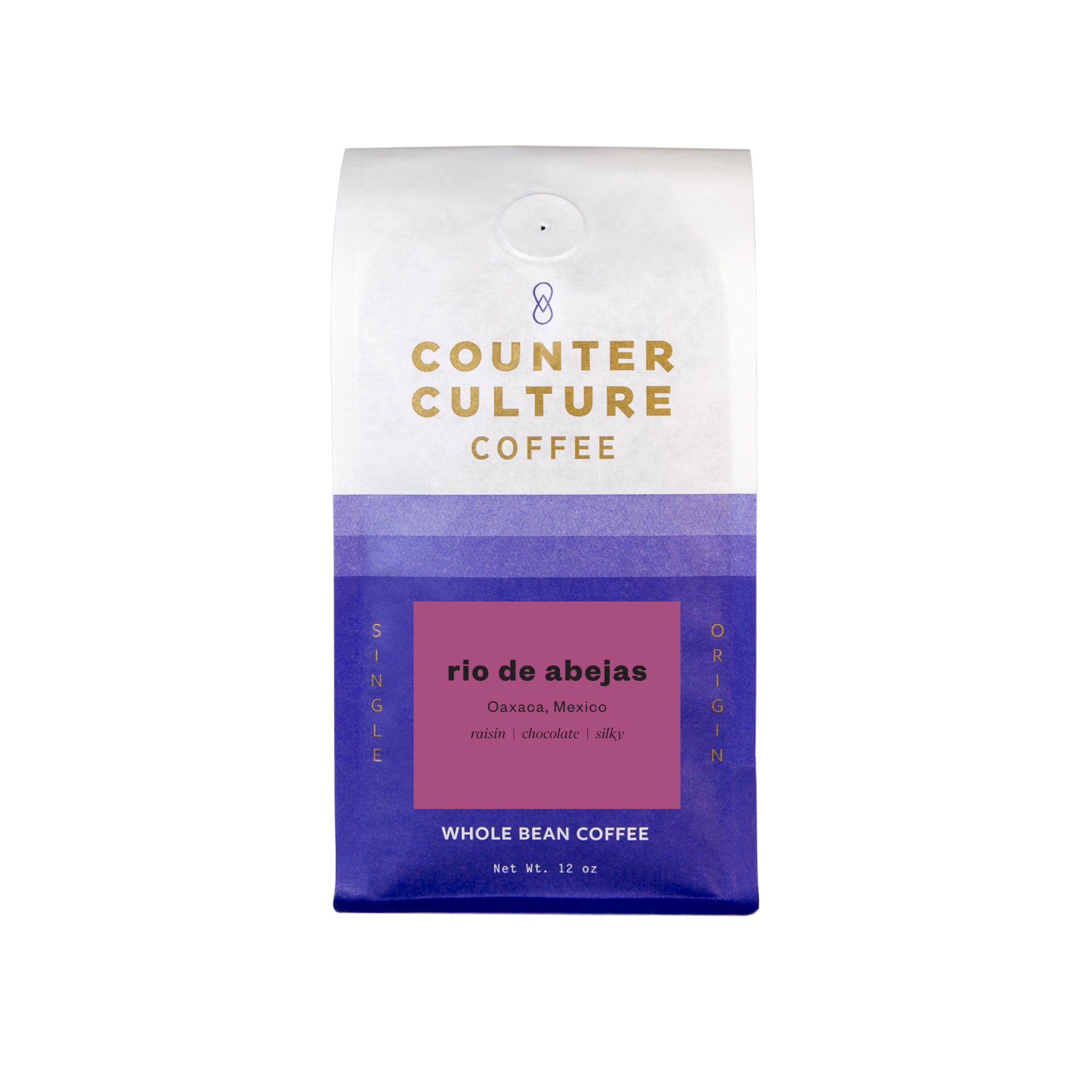
Counter Culture Coffee
Field Blend· Washed
Explore the profile →
Editorial illustration · not a verified photograph of this location
Mexico's specialty coffee centers on the highlands of Chiapas, Veracruz and Oaxaca, where smallholders grow mostly Bourbon-lineage varieties, often under shade and organic-leaning management.
Coffee was introduced to Mexico in the late 18th century, arriving in the state of Veracruz via Cuba around 1740. While small-scale cultivation began shortly thereafter, the industry did not reach significant export volumes until the 1870s. By the 1980s, coffee had become a vital economic pillar, though the sector later faced severe challenges from coffee leaf rust, which caused significant production declines and prompted a shift toward robusta varieties for the soluble coffee market. Despite these pressures, Mexico has maintained its status as a global leader in organic coffee production, supported by a vast network of smallholder farmers and indigenous cooperatives. Today, the industry is concentrated in southern states like Chiapas, Veracruz, and Puebla, where ongoing investments in disease-resistant plants and farm management are driving a modern focus on both specialty quality and industrial output.
Veracruz is a state in eastern Mexico. This record is linked here to Black & White Coffee Roasters' Pilhuatepec regional lot, sourced from various producers in and around the mountainside town of Pilhuatepec at 1,100–1,400 meters. The release-specific varieties and processing details should not be generalized to the entire state.
Region guide →Sierra Sur is the Oaxacan mountain region containing San Vicente Yogondoy. The García Luna brothers grow Pluma Hidalgo on steep, shaded plots near the community and process their coffee on their respective farms before delivering finished parchment.
Region guide →Sierra Mazateca is the Oaxacan coffee-growing area that includes San Mateo in Yoloxochitlán. SEY's 2025 Paxtle release was a regional blend assembled from small, high-scoring Typica and Bourbon lots produced by the Paxtle farmer group on the western side of the valley.
Region guide →Puebla is a coffee-producing state in Mexico. Sierra Mágica comes from small shaded farms around Zapotitlán de Méndez, where the contributing Grupo Puhuac producers are primarily Totonaca and cultivate coffee under chalahuite and equimit trees.
Region guide →Chiapas is Mexico's southernmost state and a major coffee-producing region. Sightglass's Women of Coffee: Mexico release comes from the Triunfo Verde Women's Group around Jaltenango, near the Guatemalan border, where the lot is grown under forest cover at 1,400 to 1,500 meters.
Region guide →Editorial illustration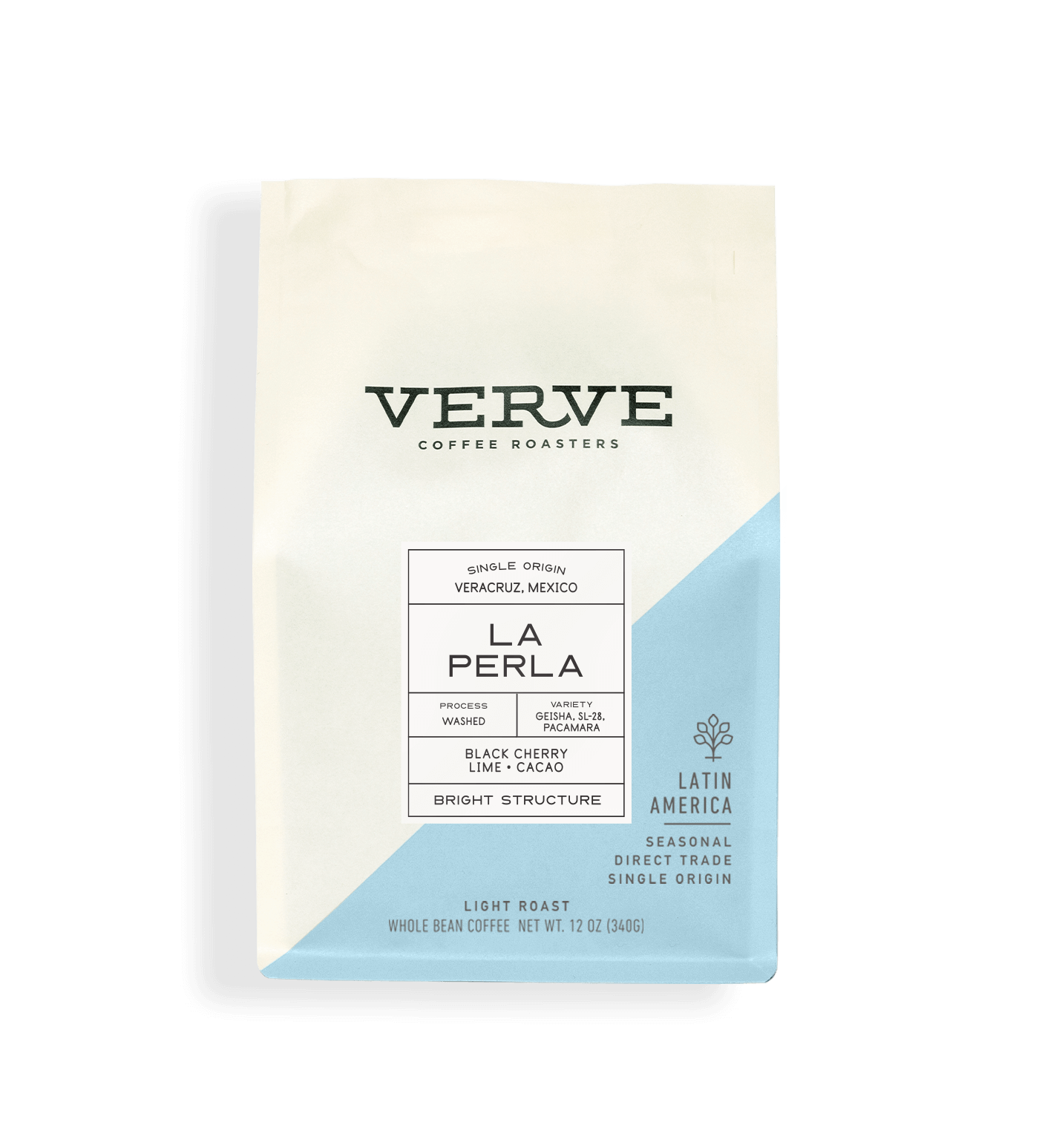
 Editorial illustration
 Editorial illustration
 Editorial illustration
 Editorial illustration
Blend · Component origins documented on the coffee profile where available
 Editorial illustration
Blend · Component origins documented on the coffee profile where available



Learn something new, follow the people behind your cup, or explore by flavor and tags.


