
Myanmar — Atlas Rare
A gentle, spice-warm cup from one of the least likely coffee origins on earth: apple-cider brightness over milk chocolate, wrapped in baking spice. The greens come from a UN-honored 400-acre estate, and the cup proves the story. A historic bag, and one worth seeking out.
- roast dateNo bag-specific roast date is published in the photographed materials.
- harvestThe exact Atlas materials do not state a harvest date.
- fermentationThe exact Atlas materials identify washed processing but do not publish a fermentation protocol.
FROM THE BAG
BACK TO THE LAND.
Every link we could verify, traced in one place. Follow the chain as far as it goes — when the industry doesn't disclose a link, we say so instead of guessing.
- 01The name on the bagMyanmar — Atlas Rare
- 02The brand
- 03The roasterNot disclosed
- 04The variety
- 05The farm
- 06The farmer
- 07The region
- 08The country
U Sai Wan Maing owns Green Land Coffee Estate, a 400-acre Arabica plantation in Thetkan Village near the Mandalay Region–Northern Shan State border. The producer says the property was acquired in 1998 and planted in 1999, with more than 600,000 coffee and shade trees. Green Land records his Q Arabica Grader certification in 2016, Q Processing Level 2 in 2019, Q Processing Level 3 in 2024, multiple national quality awards, and a 2003 FAO Outstanding Coffee Grower recognition.
Atlas Coffee Club sources rare, specialty-grade coffees from around the world, offering them as part of a rotating subscription service.
A rare washed Myanmar release from an award-winning 400-acre estate whose owner was recognized by the FAO and has advanced Q-grading and processing credentials.
The full tasting
The first sip
Myanmar coffee still stops people mid-sentence, and this one earns it. The first sip is soft milk chocolate with a gentle orchard-fruit sweetness running underneath, more cider than fresh apple, bright but never sharp. A baking-spice warmth folds into the finish and keeps the cup cozy. It drinks calm and composed, a light roast without any edgy austerity.
What we tasted
The postcard promises milk chocolate, apple cider, and baking spice, and the cup is faithful to all three. The chocolate is the base note, creamy and steady. The cider note is the liveliest thread, a muted fruit acidity that reads as mulled apple rather than citrus. The spice builds with warmth, cinnamon-adjacent and subtle. The body is medium and smooth, and the finish, while shorter than the flavors deserve, is clean and sweet. Across brews the cup stayed remarkably even.
The story in the bag
This is one of the great provenance stories we have documented. Green Land Coffee Estate sits in Thetkan Village on the Pyin Oo Lwin–Mogok road near the border of Mandalay Region and Northern Shan State. The producer says U Sai Wan Maing acquired the property in 1998, planted coffee in 1999, and now grows more than 600,000 coffee and shade trees across 400 acres. The estate has won national quality awards, and the FAO named him an Outstanding Coffee Grower in 2003. Green Land records his Q Arabica Grader certification in 2016, Q Processing Level 2 in 2019, and Level 3 in 2024. The exact Atlas card supplies this washed lot's variety, altitude, and cup details.
Who this is for
Anyone who wants their coffee dollars to reach somewhere genuinely new, and anyone who loves a plush, spice-warmed chocolate cup without roasty bitterness. It is not a fruit-bomb; the cider note is polite. We scored it 90, 4.5 stars, with points held back for the slightly quiet aromatics and a finish that fades a touch early. The story and the cup together make this one of the most meaningful bags we have tasted.
Brew it as a pour over at a medium grind, 1 to 16 ratio with water just off the boil, and let it cool a few degrees before judging; the baking spice blooms as the cup cools. It also made a beautifully chocolatey, low-fuss batch brew.

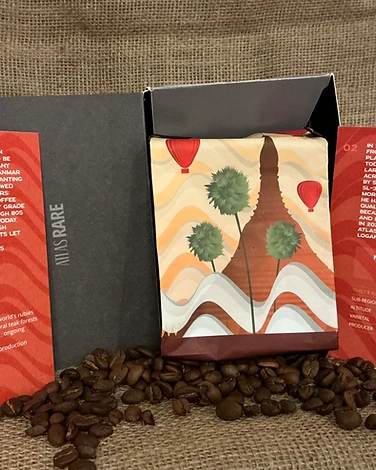

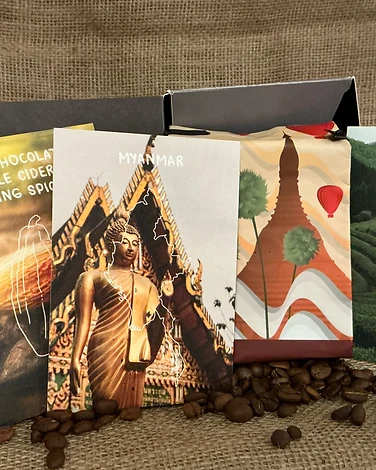

Editorial illustration

Editorial illustration
What the internet is saying about this coffee
AI-synthesized from publicly available information retrieved 2026-10-25. This is research, not our original tasting review.
One independent exact-release review corroborates a light, gently spiced Atlas Rare Myanmar cup with a mulled-cider character; no qualifying numeric score was published.
Light roast character, gentle spice, and mulled-cider-like top notes.
A qualitative summary of public sources, including context. Not a coffee score.
- Coffee publicationWIREDWIRED independently tasted the current Atlas Rare Myanmar release, describing it as light, gently spiced, and reminiscent of mulled cider.Source