Place · people
Follow coffee to its origin
Who grew it, and where?
Start with the growing landscape, move into origin guides, then inspect farm and producer records. Not every coffee names an individual farmer.
2 pages on this site carry this tag — reviews, profiles, answers and stories. Tags are derived from our documented data, never invented.
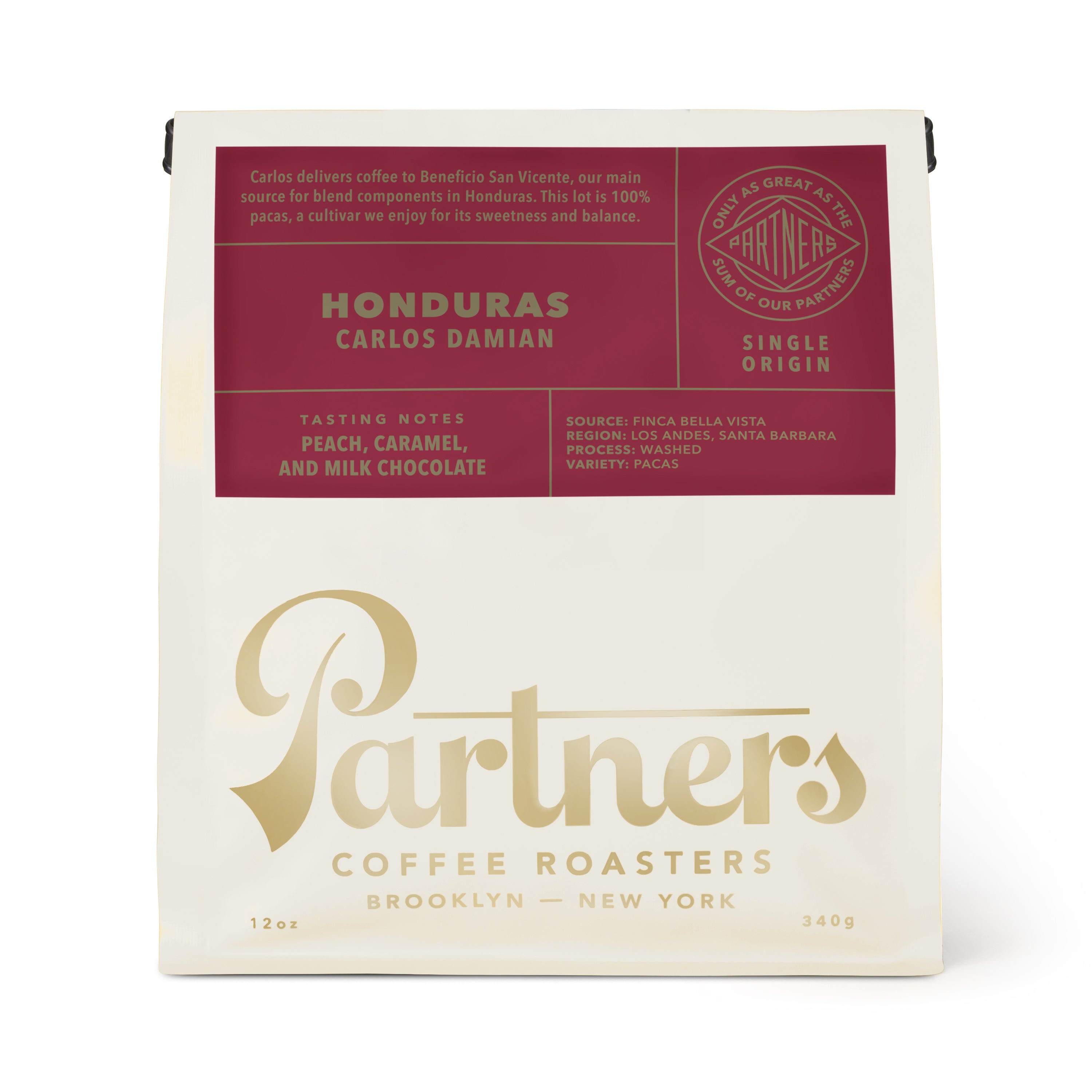
Bella Vista is a 2.3-hectare coffee farm in El Cedral, Honduras, owned and operated by producer Carlos Damian. The farm is recognized for its high-quality Pacas and Bourbon varieties, which benefit from high-altitude cultivation and meticulous self-processing techniques that have significantly improved the farm's output and the producer's livelihood since its founding in 2011.
Research entry updated 2026-10-06 · not source-audited · 5 sources
Carlos Damian is a dedicated coffee producer based in the region of Marcala, Honduras. Before entering the coffee industry, Damian worked as a day laborer and a vegetable farmer. Through disciplined saving, he was able to acquire multiple plots of land, eventually establishing his farm, Bella Vista, in 2011. The farm is located near the town of El Cedral and spans approximately 2.3 hectares, situated at an elevation of 1,700 meters, which provides an ideal climate for specialty coffee production.
Initially, Damian produced coffee for the commercial market, delivering his harvests to the Beneficio San Vicente. Under the guidance of Benjamín Paz, a key contact at San Vicente, Damian transitioned his focus toward the specialty coffee sector. This shift involved leveraging the farm's high elevation and favorable conditions to cultivate high-quality varieties, primarily Pacas—a natural mutation of Bourbon—and Bourbon itself. The farm also integrates a small number of peach and avocado trees, contributing to the local ecosystem.
Since his first harvest, Damian has demonstrated a commitment to continuous improvement. Early relationships with roasters, such as 49th Parallel Coffee Roasters, provided the financial stability necessary for him to invest back into his operation. These investments have been transformative, allowing him to construct his own drying tables and fermentation tanks, as well as purchase an electric depulper. By moving to self-processing, Damian has gained greater control over the quality of his final product.
Beyond the technical infrastructure, the success of Bella Vista has had a direct impact on Damian’s personal life. Proceeds from his specialty coffee sales have enabled him to renovate his home and improve living conditions for his family. His transition from a vegetable farmer to a focused specialty producer is often cited as a testament to the potential of intentional, small-scale farming when supported by direct trade relationships.
In the cup, coffee from Bella Vista is frequently noted for its clean sweetness, full and syrupy mouthfeel, and complex flavor profiles. Depending on the specific harvest and processing, tasters often identify notes of red apricot, berries, peach, caramel, and chocolate. The consistency of these profiles has solidified the farm's reputation among specialty roasters who value the meticulous care Damian applies to his cultivation and processing methods.
It is important to distinguish this farm from other entities sharing the name 'Bella Vista.' For instance, there is a well-known Bella Vista mill and export company in Antigua, Guatemala, led by Luis Pedro Zelaya Zamora, which is a separate operation. The Bella Vista associated with Carlos Damian is specifically a Honduran farm, and its recognition in the specialty market is tied to his individual journey as a producer in the Santa Barbara and Marcala regions.
Today, the story of Bella Vista stands as a clear example of how access to specialty markets and technical guidance can elevate a smallholder's operation. By focusing on high-quality varieties and investing in on-farm processing, Carlos Damian has successfully positioned his coffee as a premium product, ensuring the long-term viability of his farm and his family's future.
This topic connects to broader guides. Follow the sequence, or return to the complete TAG directory to explore other subjects.
Who grew it, and where?
Start with the growing landscape, move into origin guides, then inspect farm and producer records. Not every coffee names an individual farmer.
How does coffee shape people and markets?
Place farming, livelihoods, coffee history and cultural practice alongside the cup, with dates and citations evaluated separately.
Learn something new, follow the people behind your cup, or explore by flavor and tags.