Place · people
Follow coffee to its origin
Who grew it, and where?
Start with the growing landscape, move into origin guides, then inspect farm and producer records. Not every coffee names an individual farmer.
23 pages on this site carry this tag — reviews, profiles, answers and stories. Tags are derived from our documented data, never invented.
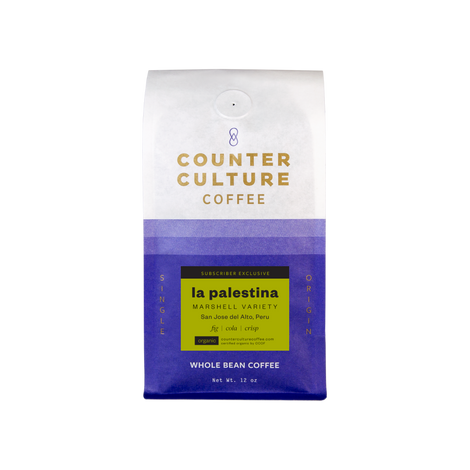
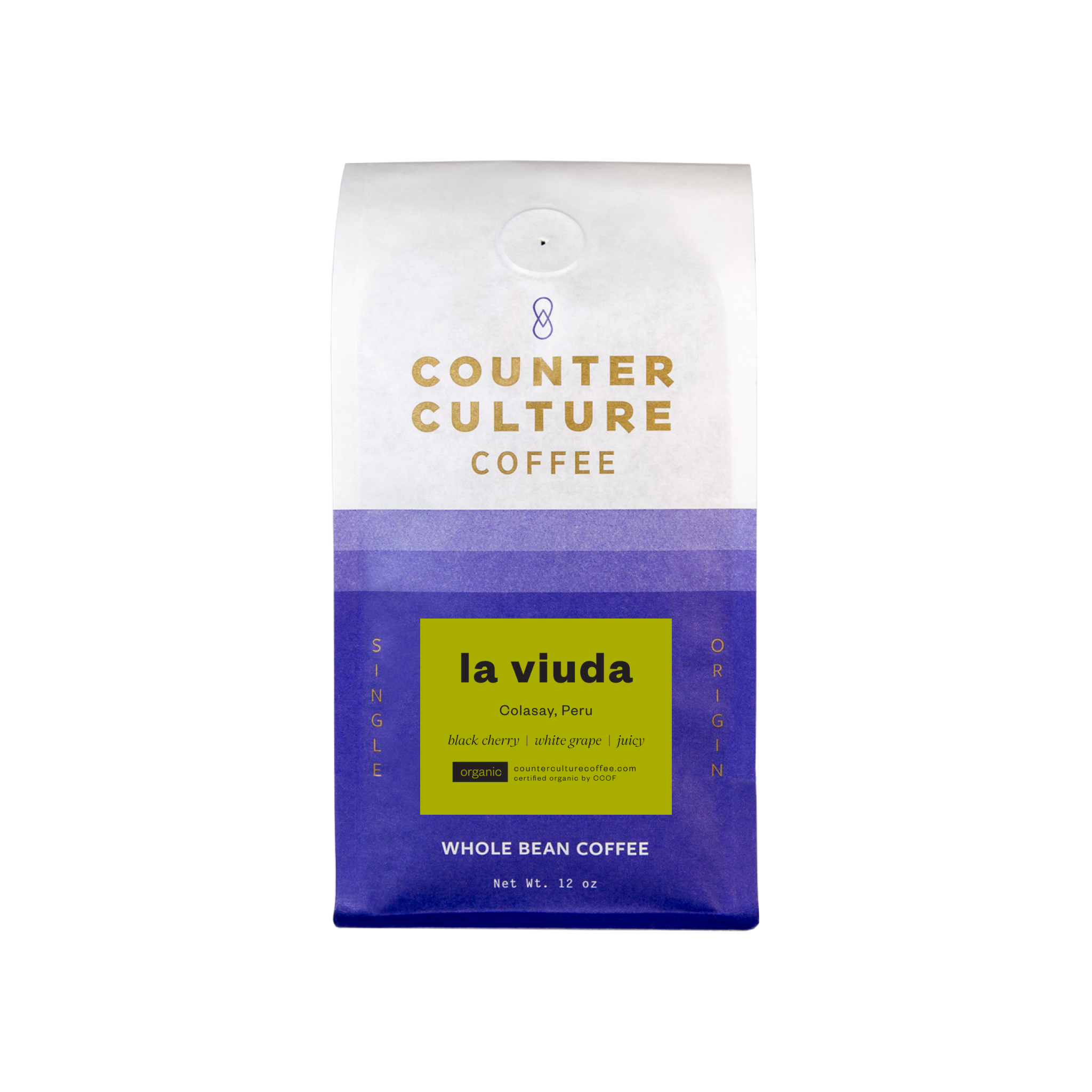
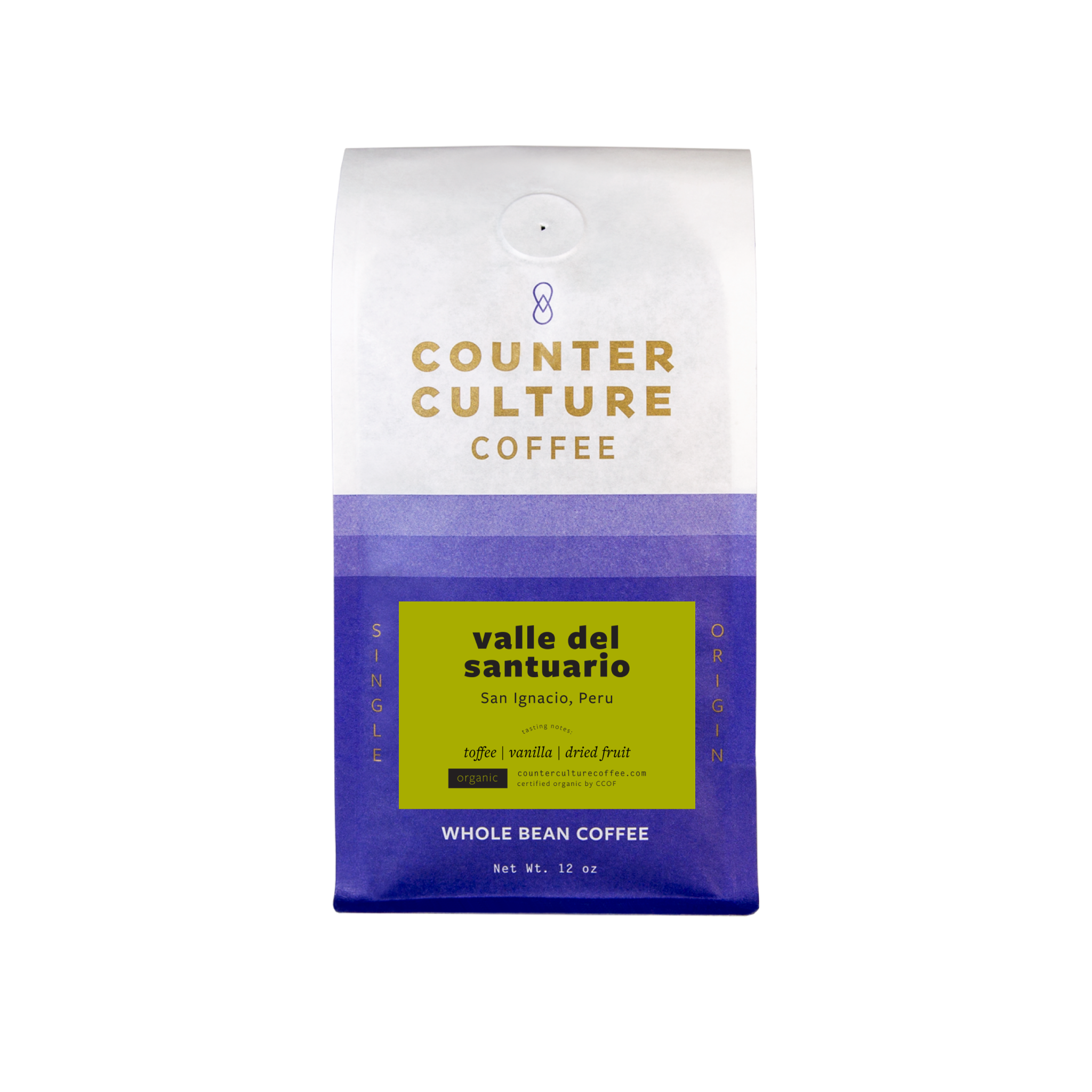
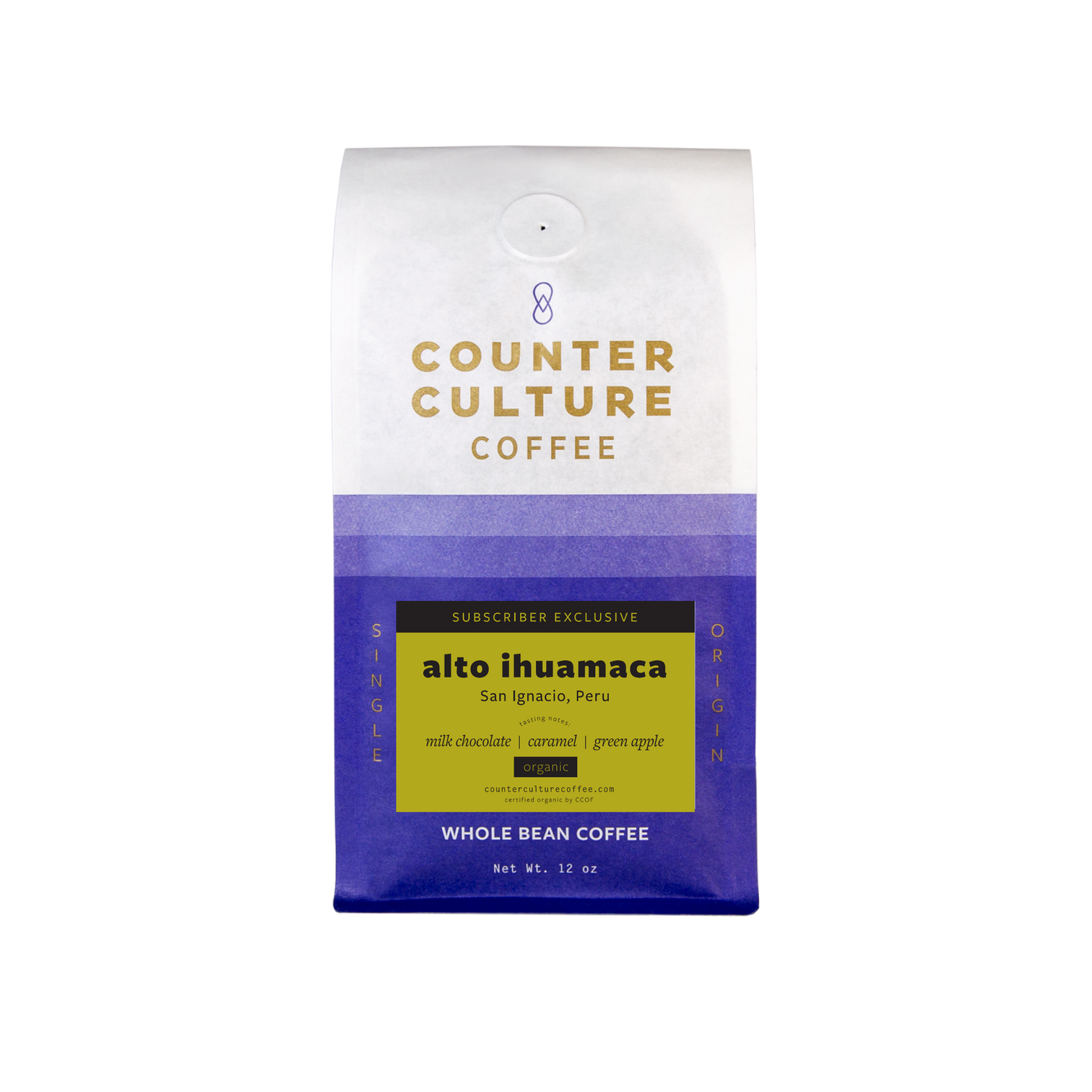
Cajamarca is a premier coffee-producing region in northern Peru, renowned for its high-altitude, smallholder-grown Arabica coffee. It is widely considered the country's most dynamic specialty origin, consistently producing high-quality, organic-certified lots characterized by bright acidity, floral aromatics, and complex fruit notes.
Research entry updated 2026-09-27 · not source-audited · 10 sources
Cajamarca, located in the northern Andes near the Ecuadorian border, stands as the cornerstone of Peru’s modern specialty coffee identity. While coffee was introduced to Peru in the mid-1700s—likely by Dutch immigrants—and initially spread from the central regions, the northern provinces of Jaén and San Ignacio in Cajamarca have emerged as the country's most significant quality engine. Today, this region is the primary focus for international specialty buyers seeking high-elevation, meticulously processed microlots that distinguish themselves from the country's historically anonymous 'washed mild' exports.
The region’s terroir is defined by its extreme topography, with coffee farms typically situated between 1,400 and 2,100 meters above sea level. These high-altitude, tropical highland conditions, combined with fertile Andean soils, provide the ideal environment for slow cherry maturation. The vast majority of production is managed by smallholder farmers, who typically cultivate between 0.5 and 4 hectares of land. Because of the remote nature of these farms, many producers operate under an 'organic by default' model, relying on traditional farming practices that have made Peru one of the world's leading exporters of organic-certified coffee.
Varietal diversity in Cajamarca reflects both the history of the crop and modern agronomic shifts. Traditional varieties such as Typica and Bourbon remain prevalent, particularly among older, established farms. However, producers also cultivate Caturra and Catimor to balance yield and disease resistance. The harvest season in this northern region generally runs from May through September, a period during which smallholders process their coffee on-farm—typically using the washed method—before delivering parchment to local cooperatives or regional exporters for final milling and quality control.
Cooperatives play a vital role in the region's success, providing the infrastructure necessary for smallholders to access international markets. Organizations such as APROCASSI and Cenfrocafe have been instrumental in elevating the region's profile, facilitating direct-trade relationships and supporting the rigorous post-harvest controls required for specialty-grade coffee. This organizational strength has made Cajamarca a dominant force in Peru’s Cup of Excellence competitions, proving that the region can compete at the highest levels of the global specialty market.
In the cup, Cajamarca coffee is celebrated for its elegance and complexity. While classic Peruvian profiles are often described as sweet and chocolatey, the best lots from Cajamarca offer a more vibrant experience, featuring notes of stone fruit, citrus, and delicate florals. The mouthfeel is frequently described as creamy or clean, with a bright, citric acidity that provides a sophisticated structure. These characteristics have shifted the perception of Peruvian coffee from a reliable, value-oriented commodity to a source of high-end, nuanced specialty beans.
Despite its potential, the region faces ongoing challenges related to infrastructure and logistics. The mountainous terrain makes transportation difficult, and the quality of the final product remains highly dependent on the consistency of post-harvest processing at the farm level. Nevertheless, with increased investment from exporters and a growing focus on microlot separation, Cajamarca continues to solidify its reputation as a hidden treasure of the Andes, offering roasters and consumers a consistent, high-quality alternative to more traditional origins.
This topic connects to broader guides. Follow the sequence, or return to the complete TAG directory to explore other subjects.
Who grew it, and where?
Start with the growing landscape, move into origin guides, then inspect farm and producer records. Not every coffee names an individual farmer.
 Editorial illustration
 Editorial illustration
 Editorial illustration

 Editorial illustration
 Editorial illustration

Blend · Component origins documented on the coffee profile where available

Learn something new, follow the people behind your cup, or explore by flavor and tags.


