Place · people
Follow coffee to its origin
Who grew it, and where?
Start with the growing landscape, move into origin guides, then inspect farm and producer records. Not every coffee names an individual farmer.
5 pages on this site carry this tag — reviews, profiles, answers and stories. Tags are derived from our documented data, never invented.
Claudia Abril and Max Pérez are the visionary founders of Finca La Hermosa in Guatemala’s Acatenango region. They are highly regarded in the specialty coffee industry for transforming abandoned land into an award-winning, organic-certified farm that produces exceptional varieties like Gesha and Pink Bourbon through meticulous processing techniques.
Research entry updated 2026-10-06 · not source-audited · 6 sources
Claudia Abril and Max Pérez are the husband-and-wife team behind Finca La Hermosa, a celebrated specialty coffee estate located in the high-altitude Acatenango Valley of Chimaltenango, Guatemala. Max, a fifth-generation coffee farmer originally from Huehuetenango, grew up immersed in the industry. Despite pursuing legal studies in Guatemala City, the couple eventually returned to their agricultural roots, driven by a shared vision to cultivate high-quality coffee while maintaining environmental stewardship.
In 2010, the couple purchased a piece of land in Acatenango that had been abandoned for three decades and was previously occupied by low-productivity Typica trees. At the time of acquisition, the property lacked basic infrastructure, including water and electricity. Claudia and Max undertook the arduous task of building the farm from the ground up while raising two children, demonstrating a level of resourcefulness and commitment that has since become a hallmark of their professional reputation.
Finca La Hermosa is situated at an elevation between 1,900 and 2,100 meters above sea level, where the volcanic soil and climate provide ideal conditions for specialty coffee production. The farm is widely recognized for its commitment to sustainable and organic practices. Approximately 70% of their production is certified organic, utilizing a closed-loop fertilization system that incorporates coffee husk compost, fruit pulp, and manure from an on-site egg farm to nourish the coffee trees.
The farm’s reputation is built on its diverse range of coffee varieties and experimental processing methods. Beyond traditional Bourbon and Catuai, the couple has established a dedicated "Gesha forest" and cultivates varieties such as Pink Bourbon. They are known for applying distinct processing techniques—including washed, honey, and natural sundried methods—to highlight the unique flavor profiles of their harvest, which often feature notes of chocolate, orange, and spice.
Their dedication to quality has earned Finca La Hermosa significant recognition, including multiple awards in the prestigious Cup of Excellence competition. This success has allowed them to build direct, long-term partnerships with international roasters who value their transparency and rigorous approach to production. Today, the farm is noted for its positive economic impact, having created jobs for hundreds of people in the local community.
The story of Claudia and Max represents a modern model of specialty coffee production, where technical expertise, environmental responsibility, and a willingness to innovate converge. By successfully navigating the challenges of volatile markets and labor shortages, they have positioned Finca La Hermosa as a benchmark for quality in the Acatenango region, proving that a focus on sustainable, high-potential coffee can yield both critical acclaim and long-term viability.
This topic connects to broader guides. Follow the sequence, or return to the complete TAG directory to explore other subjects.
Who grew it, and where?
Start with the growing landscape, move into origin guides, then inspect farm and producer records. Not every coffee names an individual farmer.
How does coffee shape people and markets?
Place farming, livelihoods, coffee history and cultural practice alongside the cup, with dates and citations evaluated separately.
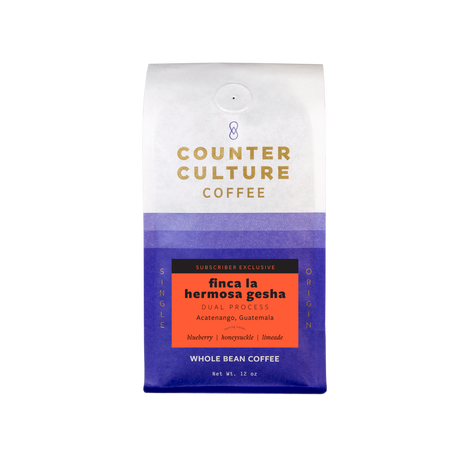
Blend · Guatemala
 Editorial illustration
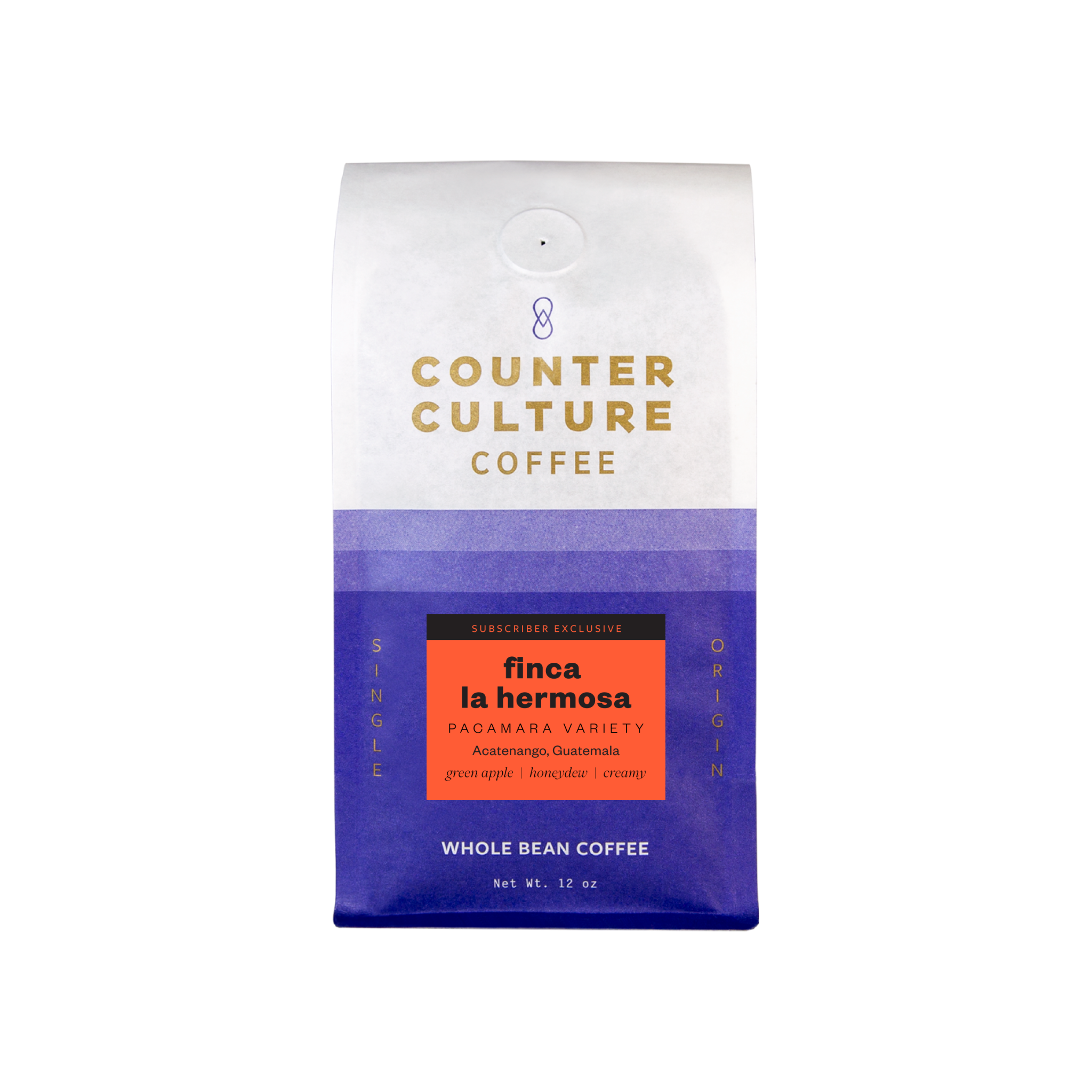

Learn something new, follow the people behind your cup, or explore by flavor and tags.
