Species · genetics
Learn what's inside the bean
Arabica, Robusta, Gesha—or a blend?
Learn species and varieties before comparing individual coffee profiles. A label alone cannot prove a lot's genetic identity.
131 pages on this site carry this tag — reviews, profiles, answers and stories. Tags are derived from our documented data, never invented.
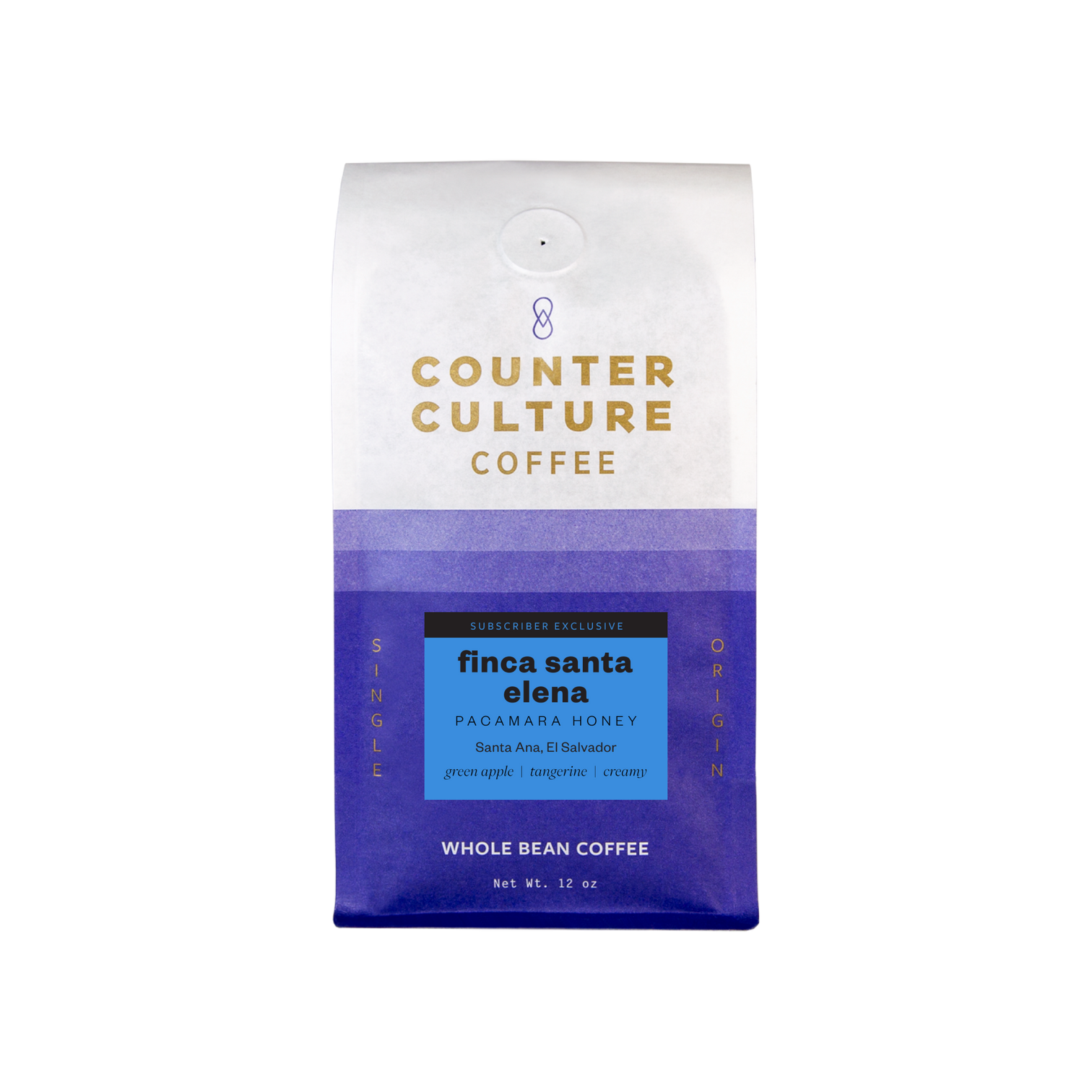
Pacamara is a hybrid Coffea arabica variety developed in El Salvador, prized for its exceptionally large beans and complex, high-quality cup profile. It is a significant cultivar in specialty coffee, often sought after for its intense aromatics and dynamic flavor spectrum in international competitions.
Research entry updated 2026-10-03 · not source-audited · 5 sources
Pacamara originated in 1958 through a deliberate breeding program at the Salvadoran Institute for Coffee Research (ISIC). The goal was to combine the compact, productive nature of the Pacas variety—a natural Bourbon mutation—with the signature large bean size of the Maragogipe variety, a Typica mutation. After nearly 30 years of meticulous selection and stabilization, the variety was released to producers in the late 1980s. Its name is a portmanteau derived from its parentage: 'Paca' from Pacas and 'Mara' from Maragogipe.
In the field, the Pacamara plant is characterized by a relatively compact stature, dense canopy, and broad leaves that occasionally display copper-toned hues. The cherries are notably large with thick pulp, and while red-fruited plants are standard, yellow-fruited variants also exist. The most striking physical trait is the bean size, which frequently reaches screen sizes of 17–19, significantly larger than the average Arabica bean.
Despite its potential for excellence, Pacamara presents significant agricultural challenges. It is highly susceptible to common coffee afflictions, including coffee leaf rust, root-knot nematodes, and coffee berry disease. Furthermore, the variety is not entirely genetically stable; a portion of the population may revert to the characteristics of its parent varieties, requiring farmers to perform diligent nursery selection and ongoing monitoring to maintain crop consistency.
Pacamara thrives in cooler, high-altitude environments, typically performing best at elevations between 1,300 and 1,800 meters. While it remains most closely associated with El Salvador, particularly the volcanic soils of the Apaneca–Llamatepec mountain range, it is also cultivated in other regions such as Nicaragua and Guatemala. These specific microclimates are essential for developing the variety's nuanced flavor profile.
When successfully cultivated and processed, Pacamara is celebrated for its complexity. The cup profile often features a layered aromatic range, including sweet notes of chocolate and caramel, balanced by fruit-driven characteristics like berries, tropical fruits, or green apple. High-quality lots may also exhibit delicate floral notes such as jasmine or orange blossom. The acidity is typically lively and well-integrated, supported by a mouthfeel that ranges from creamy to finely textured. Conversely, poor cultivation or processing can lead to flat, muddy, or vegetal flavors.
Producers choose to plant Pacamara primarily for its potential to produce exceptional, competition-grade coffee. While the risks of disease and genetic instability are high, the reward of producing a distinctive, highly prized lot motivates many farmers. The variety's unique combination of size and flavor continues to make it a subject of ongoing experimentation in processing and cultivation, ensuring its enduring status as a sought-after specialty coffee.
This topic connects to broader guides. Follow the sequence, or return to the complete TAG directory to explore other subjects.
Arabica, Robusta, Gesha—or a blend?
Learn species and varieties before comparing individual coffee profiles. A label alone cannot prove a lot's genetic identity.
Learn something new, follow the people behind your cup, or explore by flavor and tags.