Place · people
Follow coffee to its origin
Who grew it, and where?
Start with the growing landscape, move into origin guides, then inspect farm and producer records. Not every coffee names an individual farmer.
11 pages on this site carry this tag — reviews, profiles, answers and stories. Tags are derived from our documented data, never invented.
Acatenango is a high-altitude, volcanic coffee-growing region in Guatemala, officially recognized as a distinct origin since 2007. It is prized for its mineral-rich, sandy soil and extreme elevations, which produce coffee characterized by bright, refined acidity, complex aromatics, and a clean, lingering finish that distinguishes it from the heavier profiles of neighboring regions.
Research entry updated 2026-10-06 · not source-audited · 10 sources
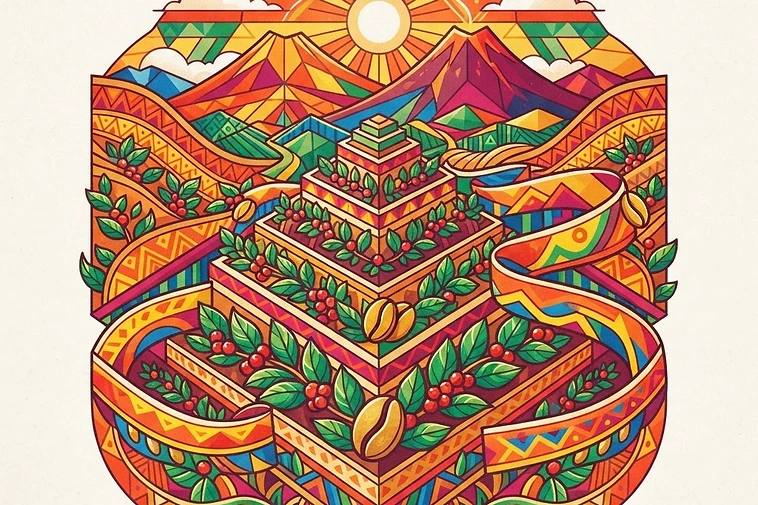
Acatenango is one of Guatemala’s most significant coffee-producing regions, located in the Chimaltenango department. While Guatemala has long been celebrated for its diverse volcanic terroirs, Acatenango was formally designated as an independent coffee-growing region in 2007. It is defined by its proximity to two major stratovolcanoes: the dormant Volcán Acatenango and the highly active Volcán de Fuego. This geological partnership is central to the region's identity, as the frequent ash fall from Fuego continuously replenishes the soil with essential minerals, a phenomenon local farmers often describe as the volcano feeding the trees.
The region’s topography is defined by extreme verticality, with coffee cultivation occurring between 1,300 and 2,000 meters above sea level. This broad altitude range, combined with the cooling influence of temperate Pacific sea breezes, creates a unique microclimate. The high elevation forces the coffee cherries to mature slowly, resulting in high bean density and the 'Strictly Hard Bean' (SHB) classification, which is a hallmark of quality in the Guatemalan specialty market.
Cultivation in Acatenango is deeply rooted in traditional, shade-grown practices. The farms are often nestled within dense forest canopies, which provide the necessary shade to protect the coffee from direct sun and maintain the ecological balance of the valley. The primary varieties grown in the region include Bourbon, Caturra, and Catuaí, though some producers have begun experimenting with rare cultivars like Geisha. These trees are typically hand-harvested at peak ripeness, usually between mid-January and March.
Processing in the region relies heavily on traditional methods, with sun-drying being the standard due to the favorable seasonal climate. While the washed process remains the most common, the rise of specialty demand has led to an increase in natural and experimental processing techniques. The combination of mineral-rich, coarse sandy soil and the specific drying conditions contributes to a cup profile that is notably distinct from the neighboring Antigua region; whereas Antigua is often associated with a heavier body and subtle smokiness, Acatenango is frequently cited for its bright, crisp acidity and refined, clean finish.
For the specialty coffee industry, Acatenango represents a shift toward traceable, terroir-driven sourcing. It has moved from being a lesser-known zone to a sought-after origin for roasters looking for a sophisticated volcanic profile that offers clarity and complexity. The region is home to over 2,800 families, making coffee production a vital economic pillar for the local communities in Chimaltenango.
Today, the story of Acatenango is one of balancing tradition with the demands of the global specialty market. As buyers move beyond name recognition to prioritize cup quality, the region’s reputation continues to grow. It stands as a testament to how specific volcanic activity and high-altitude geography can create a unique sensory experience, offering a cup that is structured, aromatic, and balanced, reflecting the rugged, fertile landscape from which it originates.
This topic connects to broader guides. Follow the sequence, or return to the complete TAG directory to explore other subjects.
Who grew it, and where?
Start with the growing landscape, move into origin guides, then inspect farm and producer records. Not every coffee names an individual farmer.
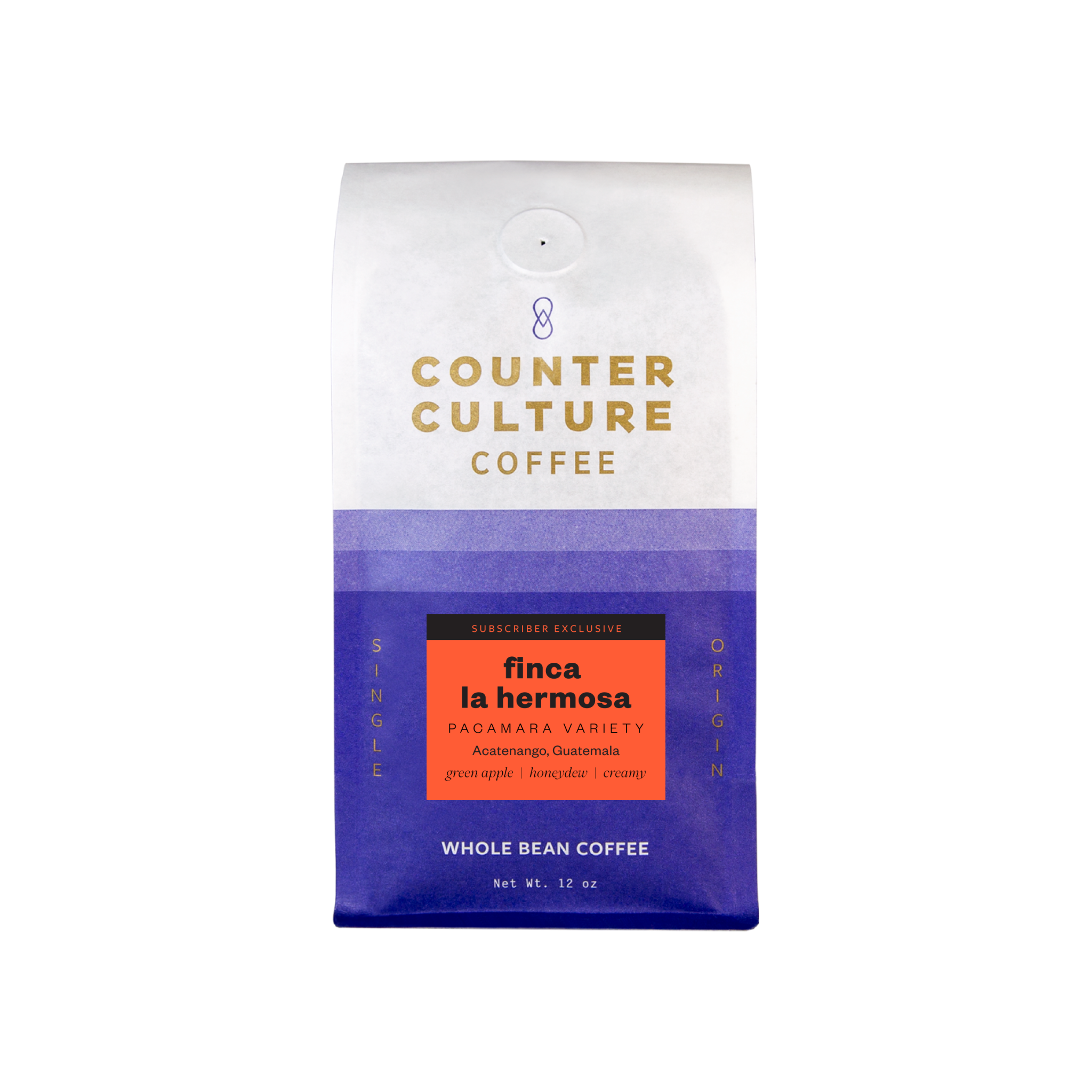
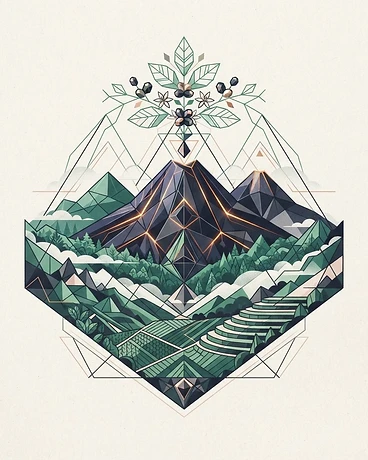 Editorial illustration
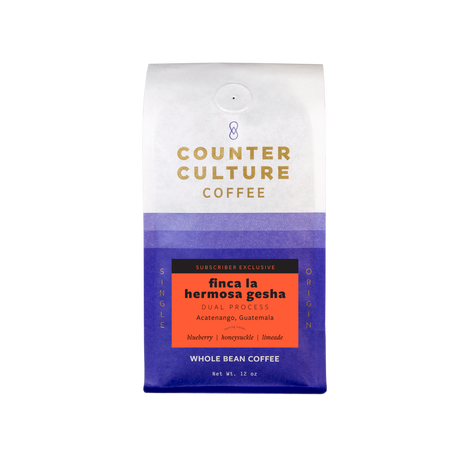
Blend · Guatemala

 Editorial illustration


 Editorial illustration
 Editorial illustration

Learn something new, follow the people behind your cup, or explore by flavor and tags.


