Place · people
Follow coffee to its origin
Who grew it, and where?
Start with the growing landscape, move into origin guides, then inspect farm and producer records. Not every coffee names an individual farmer.
3 pages on this site carry this tag — reviews, profiles, answers and stories. Tags are derived from our documented data, never invented.
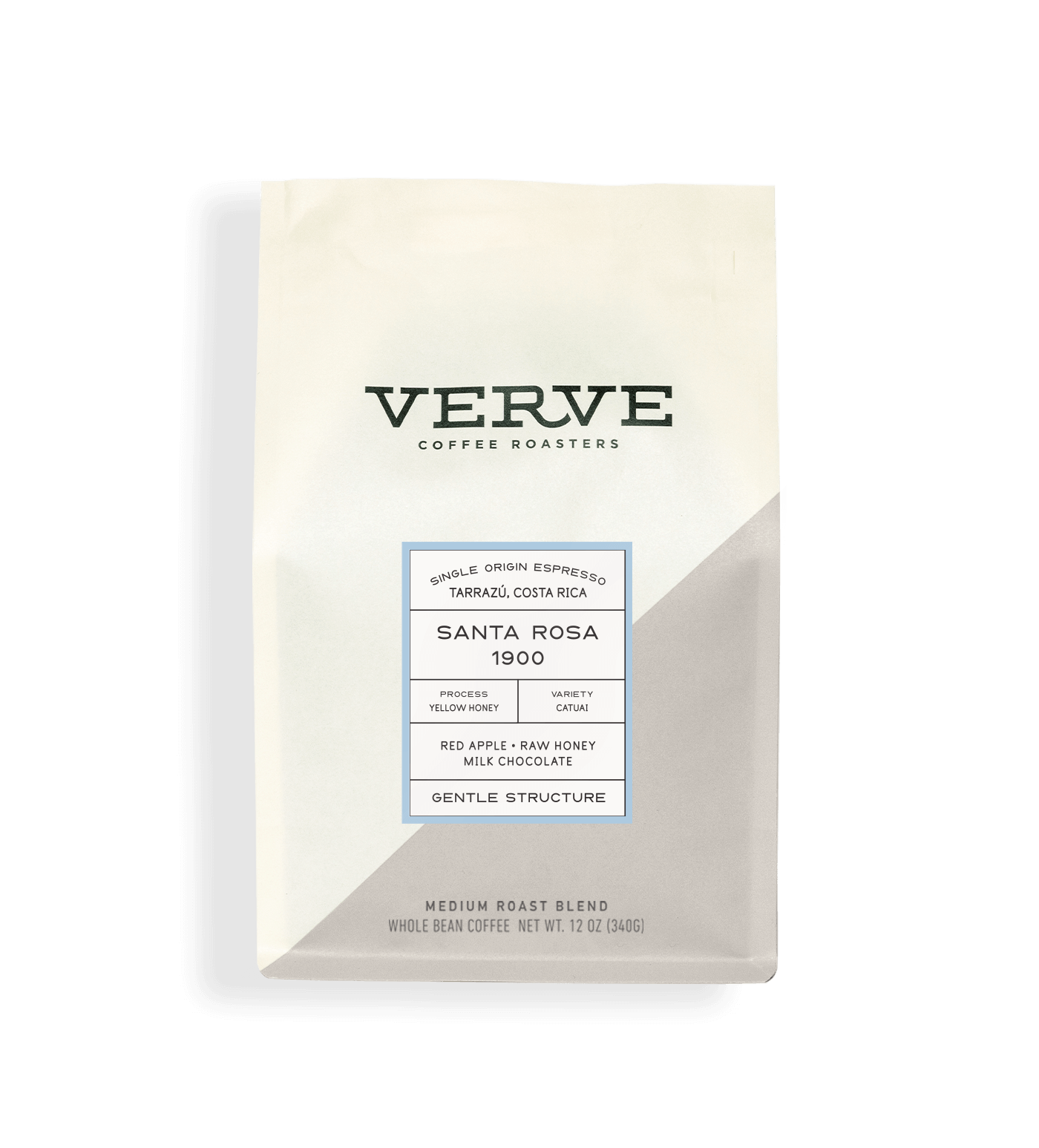
Efraín “Macho” Naranja is a celebrated Costa Rican coffee producer based in the high-altitude region of Santa Rosa de León Cortés, Tarrazú. Alongside his family, he operates the Finca Macho farm and the Santa Rosa 1900 micro-mill, which are recognized for producing high-quality, washed-process Catuai coffee that exemplifies the distinct terroir and meticulous processing standards of the Tarrazú region.
Research entry updated 2026-10-06 · not source-audited · 4 sources
Efraín “Macho” Naranja is a veteran coffee producer whose work is deeply embedded in the coffee-growing heritage of the Tarrazú region in Costa Rica. His journey began at the age of 14 when his father gifted him a small plot of land, igniting a career that has spanned four decades. In 2004, he assumed full ownership of the farm, which is now widely known as Finca Macho, named after his own nickname. Over the years, he has transformed the property into a model of high-altitude coffee production, supported by his son, Herberth Naranja, and other family members.
The farm is situated in the mountainous micro-region of Santa Rosa de León Cortés at an elevation of 1,900 meters above sea level. This extreme altitude, combined with the region's defined wet and dry seasons and rich, sandy soils, creates an ideal environment for slow cherry maturation. This slow development is critical for the flavor density and complexity that characterize the coffees produced by the Naranja family, often resulting in bright, fruit-forward profiles with notes of tangerine, pomegranate, and citrus.
A pivotal moment in the farm's history occurred around 2010, when the family established their own micro-mill, Santa Rosa 1900. This investment allowed them to take full control over the post-harvest processing of their crop. By managing the pulping, fermentation, and drying stages on-site, the family ensures that the quality achieved in the field is preserved through to the final export. The mill is known for its meticulous approach, including drying coffee on raised African beds for extended periods to ensure consistency.
Finca Macho is primarily associated with the Catuai variety, a cultivar well-suited to the high-altitude conditions of the Tarrazú region. The farm benefits from mature trees, some of which have been documented as being over a decade old, providing a level of depth and consistency that is highly valued by specialty roasters. The family’s commitment to quality has made their coffee a staple for roasters seeking to showcase the classic, vibrant acidity and clean, crisp finish associated with high-elevation Costa Rican washed coffees.
The Naranja family’s operation represents the broader shift in the Costa Rican coffee industry toward vertical integration, where producers move beyond merely growing cherries to becoming processors and exporters. This transition has enabled producers like Efraín to capture more value from their harvest and build direct relationships with international roasters. The Santa Rosa 1900 mill also processes coffee from various plots owned by the Naranja family, centralizing their production efforts under a single, quality-focused brand.
Today, the story of Efraín “Macho” Naranja stands as a testament to the importance of generational knowledge and technical investment in specialty coffee. By combining traditional farming practices with modern processing infrastructure, the family has secured a reputation for excellence in one of the world’s most prestigious coffee-growing regions. Their work continues to be a reference point for the potential of small-scale, family-run farms to produce world-class, single-origin coffee.
This topic connects to broader guides. Follow the sequence, or return to the complete TAG directory to explore other subjects.
Who grew it, and where?
Start with the growing landscape, move into origin guides, then inspect farm and producer records. Not every coffee names an individual farmer.
How does coffee shape people and markets?
Place farming, livelihoods, coffee history and cultural practice alongside the cup, with dates and citations evaluated separately.

Learn something new, follow the people behind your cup, or explore by flavor and tags.