Place · people
Follow coffee to its origin
Who grew it, and where?
Start with the growing landscape, move into origin guides, then inspect farm and producer records. Not every coffee names an individual farmer.
3 pages on this site carry this tag — reviews, profiles, answers and stories. Tags are derived from our documented data, never invented.
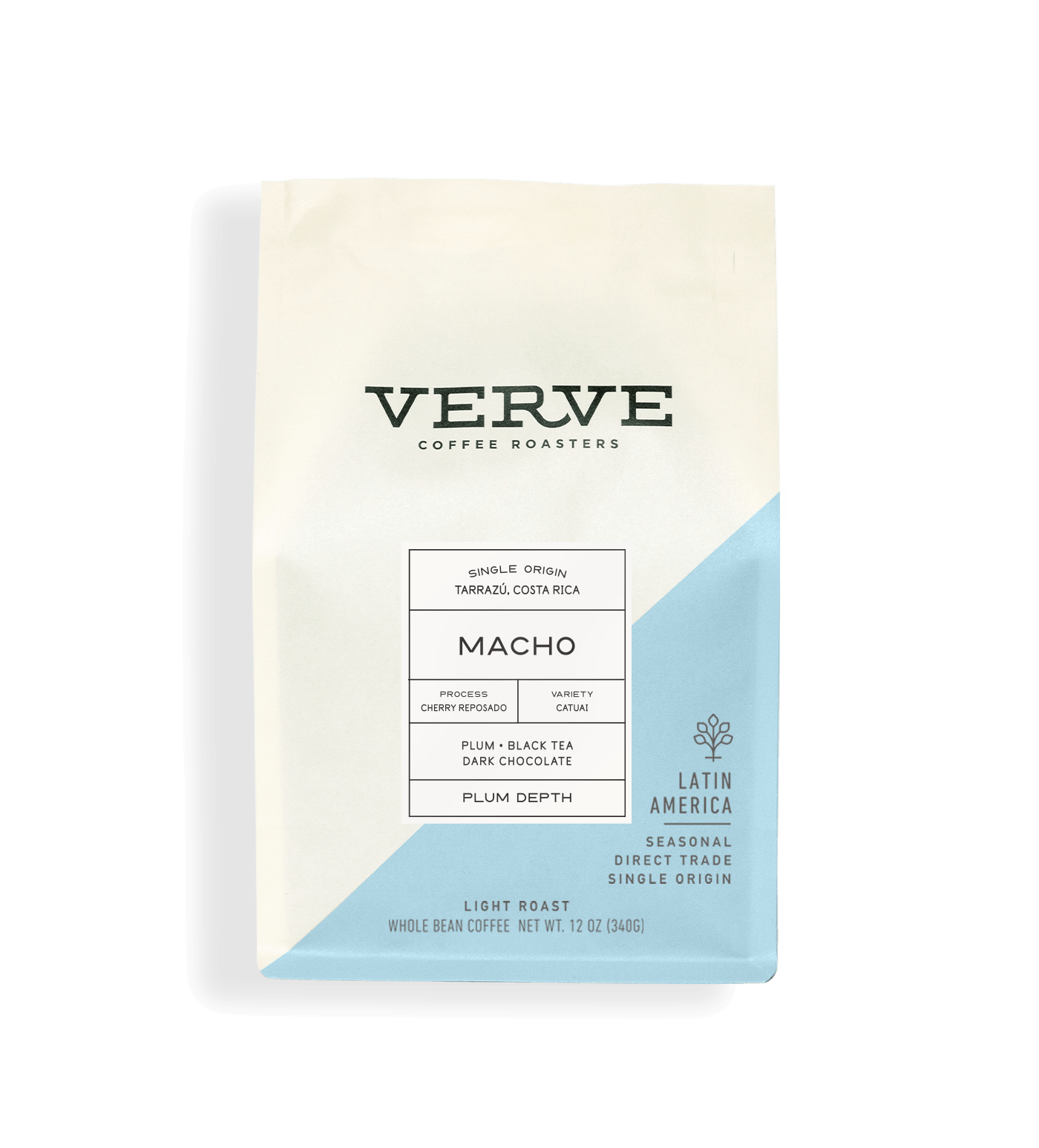
Efraín “Macho” Naranja is a celebrated Costa Rican coffee producer based in Santa Rosa de León Cortés, Tarrazú. He is widely recognized for his family-operated micro-mill, Santa Rosa 1900, and his consistent success in the Cup of Excellence competition, which highlights his commitment to high-altitude, quality-focused coffee cultivation.
Research entry updated 2026-10-06 · not source-audited · 4 sources
Efraín “Macho” Naranja is a prominent figure in the Costa Rican specialty coffee landscape, known for his dedication to high-altitude farming and meticulous processing. His career began at a young age; he started working in coffee plantations at five years old and received his first small plot of land from his father at age fourteen. This early exposure sparked a lifelong passion that has spanned over four decades of cultivation in the mountainous region of Santa Rosa de León Cortés.
In 2004, Efraín took full ownership of his farm, Finca Macho, and began a significant modernization process alongside his son, Herberth. This transition marked a shift toward greater control over the final product, culminating in the establishment of their own micro-mill, Santa Rosa 1900. By 2010, the family began processing their own coffee, allowing them to oversee every stage from harvest to final drying, which is essential for maintaining the quality standards required for specialty markets.
The farm is situated at an impressive elevation of 1,900 meters above sea level. This high altitude, combined with the region's distinct wet and dry seasons and optimal sun exposure, facilitates slow cherry maturation. This slow development is a critical factor in the flavor profile of his coffee, which is often noted for its bright acidity, citrus notes, and complex sweetness. The Naranjo family primarily cultivates varieties such as Red Catuai and Geisha, tailoring their agricultural practices to the specific micro-climates of their land.
Processing at Santa Rosa 1900 is characterized by precision and traditional care. For instance, their washed coffees are often dried on raised African beds, a method that ensures even airflow and consistent moisture reduction. This attention to detail has earned the farm significant acclaim, most notably through the Cup of Excellence (CoE) competition. The farm achieved notable rankings in the CoE, including 11th place in 2013, 14th place in 2014, and 9th place in 2015, cementing Efraín’s reputation as a top-tier producer.
For the roaster and the consumer, the “Macho” tag represents a legacy of family stewardship and technical expertise. Because the Naranjo family manages their own mill, they can experiment with processing techniques that highlight the inherent characteristics of their high-altitude Catuai. This vertical integration—from the farm plot to the mill—ensures that the coffee reaching the consumer reflects the specific terroir of Tarrazú and the decades of experience Efraín has poured into his craft.
Today, the story of Finca Macho stands as a testament to the success of the micro-mill movement in Costa Rica. By moving away from large-scale, centralized processing and focusing on small-batch, high-quality production, Efraín “Macho” Naranja has successfully elevated his family’s coffee to the international stage. His work continues to be a benchmark for producers looking to balance traditional farming wisdom with modern processing standards.
This topic connects to broader guides. Follow the sequence, or return to the complete TAG directory to explore other subjects.
Who grew it, and where?
Start with the growing landscape, move into origin guides, then inspect farm and producer records. Not every coffee names an individual farmer.
How does coffee shape people and markets?
Place farming, livelihoods, coffee history and cultural practice alongside the cup, with dates and citations evaluated separately.
 Editorial illustration
Learn something new, follow the people behind your cup, or explore by flavor and tags.
