
Editorial illustration
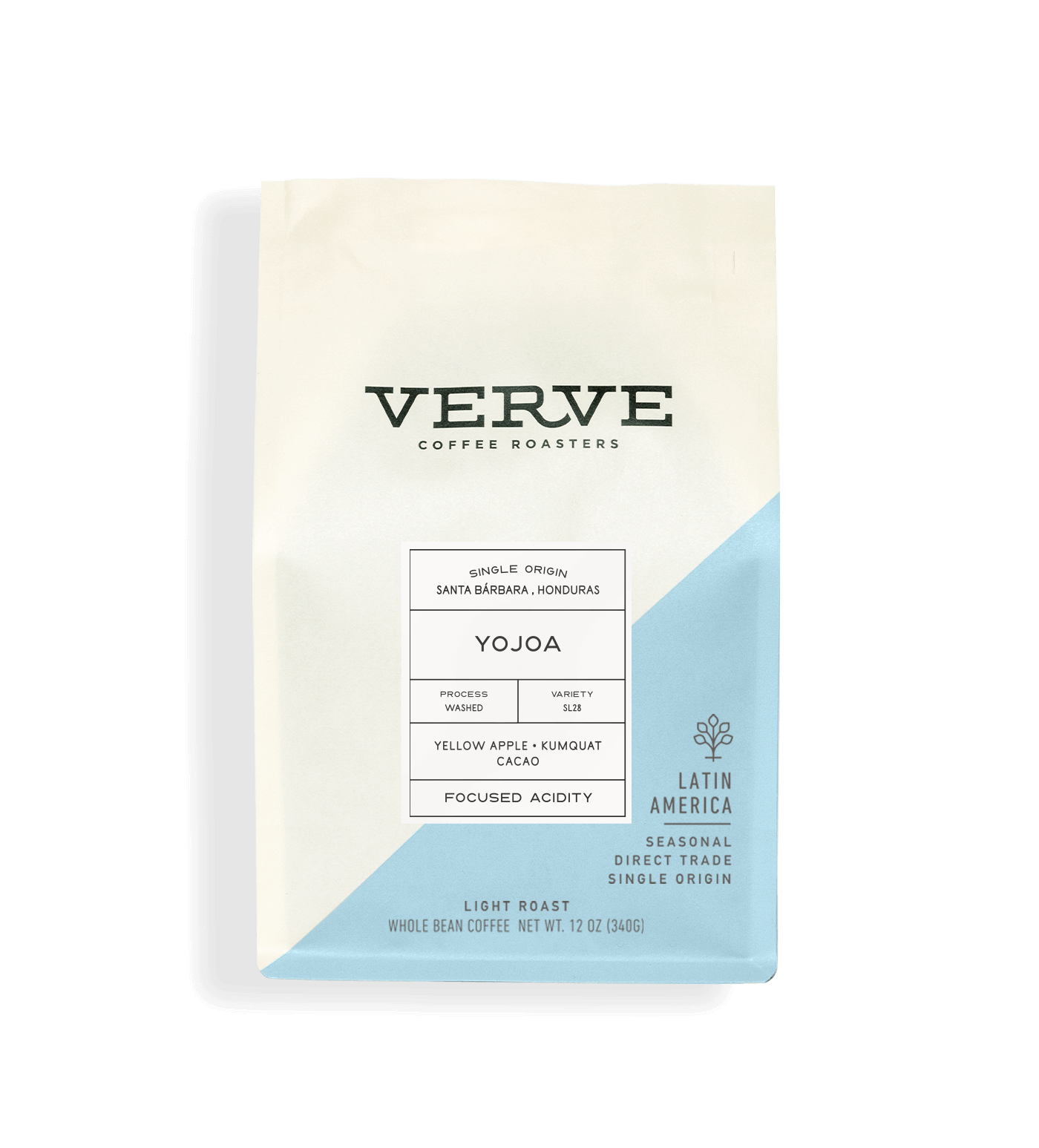
Archive: Honduras Yojoa SL28
- individual contributing farmsArturo and Edgardo each manage multiple farms, but Verve does not name the exact farms supplying this collaborative lot.
- producer and farm proportionsThe shares contributed by each producer and farm are not published.
- harvest dateThe exact Verve archive does not disclose a harvest month or year.
- exact scalar elevationVerve publishes a 1,600–1,800 m range; no midpoint is stored or presented as disclosed fact.
- fermentation and drying protocolThe release is identified as washed, but fermentation duration, washing sequence, drying method, and drying duration are not disclosed.
- public sentiment ratingSpro explicitly shows no reviews. Catalog evidence indexes and venue-wide ratings do not qualify as exact-coffee sentiment.
FROM THE BAG
BACK TO THE LAND.
Every link we could verify, traced in one place. Follow the chain as far as it goes — when the industry doesn't disclose a link, we say so instead of guessing.
- 01The name on the bagArchive: Honduras Yojoa SL28
- 02The brand
- 03The roaster
- 04The variety
- 05The farmMultiple Santa Bárbara farms; exact farms not disclosed
- 06The farmer
- 07The region
- 08The country
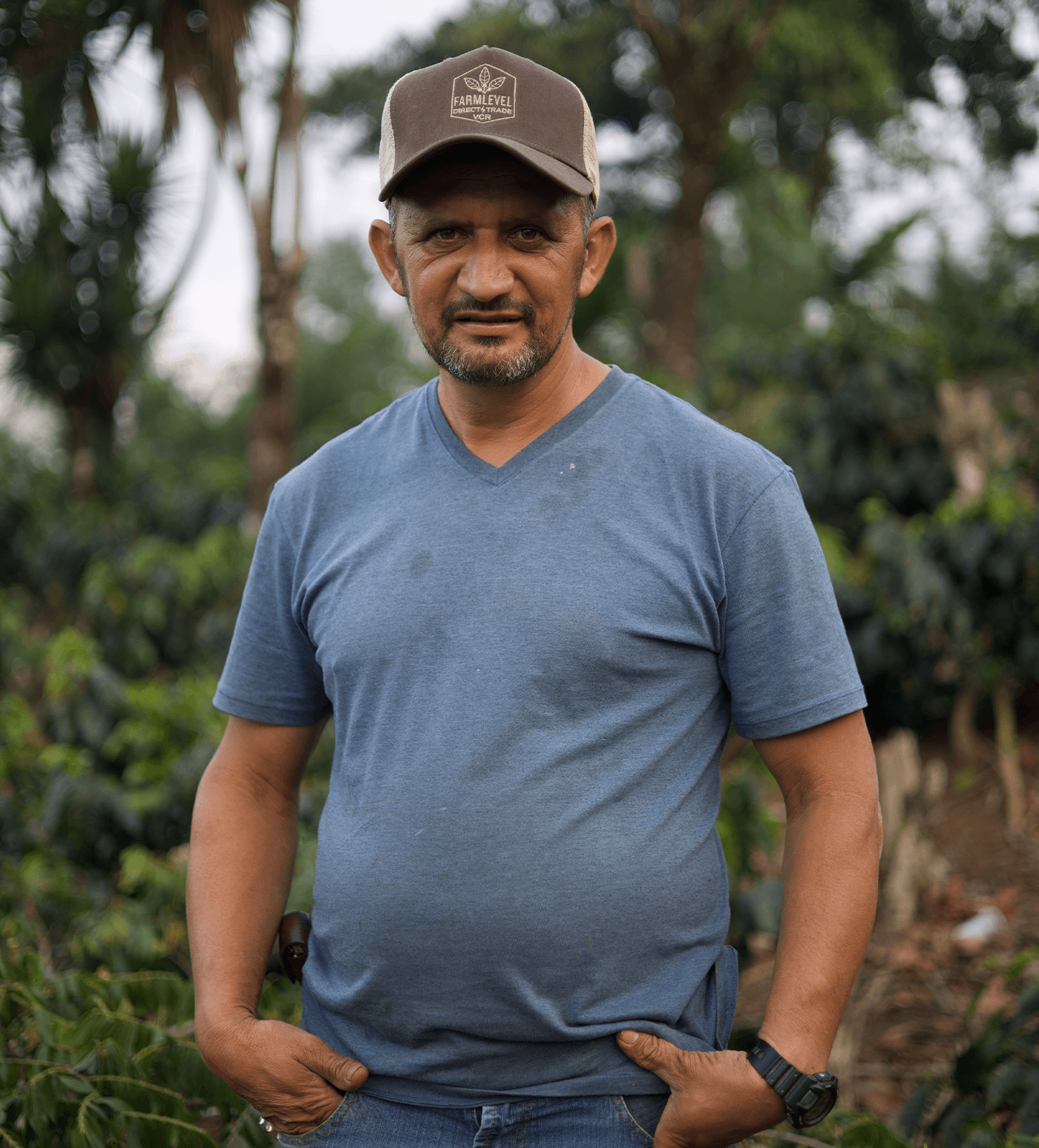
Arturo Paz and Edgardo Tinoco collaborated on this regional lot. Verve connects both producers to Santa Bárbara and identifies the coffee as a joint expression of their high-elevation farms.
Verve Coffee Roasters highlights this selection as a focused, acidic, and bright coffee that showcases the unique characteristics of the SL28 variety grown in the Honduran landscape.
A collaborative Santa Bárbara lot that places Kenya's SL28 variety in a Honduran growing context while preserving producer attribution to Arturo Paz and Edgardo Tinoco.
WHAT DID THEY ACTUALLY
DO TO THIS COFFEE?
Added origin, two-producer, farm-boundary, cultivar, process, brewing, and evidence sections.
Retained the existing Arturo Paz and Edgardo Tinoco, SL28, Santa Bárbara, and Washed relationships.
Left the farm relationship blank because Verve identifies multiple farms but not the exact contributors.
Excluded Cherrybook’s evidence index, Spro’s roast-level indicator, catalog listings, and DoorDash’s venue-wide rating from exact-coffee sentiment.
Four editorial sections, explicit unknowns, deeper producer context, and transparent explanation of excluded rating-like signals.
No farm, component percentages, harvest date, midpoint elevation, processing duration, or public sentiment score was inferred.
The page now explains the two-producer collaboration and SL28 experiment without converting regional or platform-wide signals into false lot-specific facts.
Yellow apple, kumquat, and cacao, with focused acidity and fuller body according to Verve.
- · https://www.vervecoffee.com/products/yojoa-sl28
- · https://www.spro.so/coffees/4460
- · https://thepress.coffee/coffees/verve-coffee-roasters-honduras-yojoa-sl28/
In the database. Not tasted. Not scored.
This coffee is in our database because we can reliably document it — but we haven't tasted and scored it yet, and we never publish a score we haven't earned.
Outside reviews and internet discussion — is kept clearly separate from our own review. When we taste it, our full review appears here.
What the internet is saying about this coffee
Our research pipeline scanned public reviews, videos, forums and discussions for this coffee (last pass 2026-10-11) and found no independent review of this exact release that meets our verification standards. When qualifying sources appear, they'll be published here.
Spro’s exact page states that no reviews exist. Cherrybook’s 74 is an evidence-of-quality index built partly from general Verve reputation, not a cup score. DoorDash’s 4.7/5 applies to the venue and reviews unrelated food items. All were excluded.
Until then, meet the people behind it:
Try these next →
Other roasters, same producer.
These coffees come from the same producer or farm, offered by other roasters. We never automatically declare two offerings the exact same coffee — a match requires lot, harvest and traceability details. Even a true same-lot pair can taste different: roast approach, freshness, rest and brewing all reshape the cup.