🇭🇳Honduras
Honduras · Copán
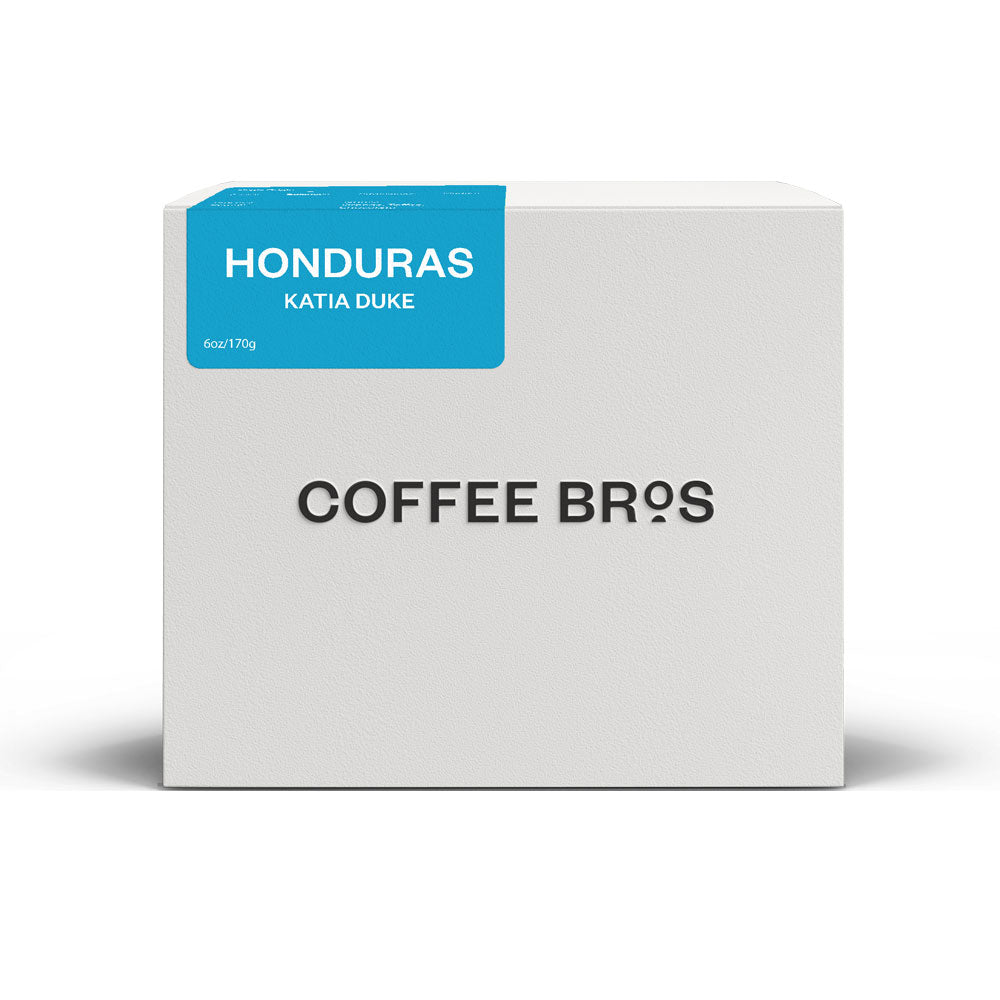
Honduras — Katia Duke, San Isidro (Natural)
Katia Duke
Coffee Bros.
San Isidro
· Natural
Explore the profile →
Editorial illustration · not a verified photograph of this location
Central America's largest coffee producer, with high-altitude regions producing clean, sweet and increasingly celebrated specialty coffees.
Coffee arrived in Honduras via trading ships during the 18th century, though widespread commercial cultivation did not take hold until the early 20th century. For much of its early history, the industry struggled with limited transportation infrastructure, which hindered export capabilities compared to neighboring nations. The sector faced a major setback in 1998 when Hurricane Mitch devastated agricultural infrastructure and crops across the country. In the following decades, the industry underwent significant modernization, bolstered by the Honduran Coffee Institute (IHCAFE), which organized farmers and facilitated access to inputs and research. A critical turning point occurred after the 2012 coffee leaf rust epidemic, which prompted a national renovation program and the adoption of rust-resistant varieties like Parainema. Today, Honduras has emerged as the largest coffee exporter in Central America, transitioning from a focus on commercial-grade beans to a diverse output that includes high-quality specialty coffee.
Siguatepeque is located in the central highlands of Honduras within the department of Comayagua. The region is characterized by a mountainous landscape and a mild climate with ample rainfall, which also makes it a significant area for fruit and vegetable production. Coffee farms in this area typically sit at altitudes ranging from 1,000 to 1,700 meters above sea level. The region is often referred to as the heart of Honduras due to its central geographical position between major cities.
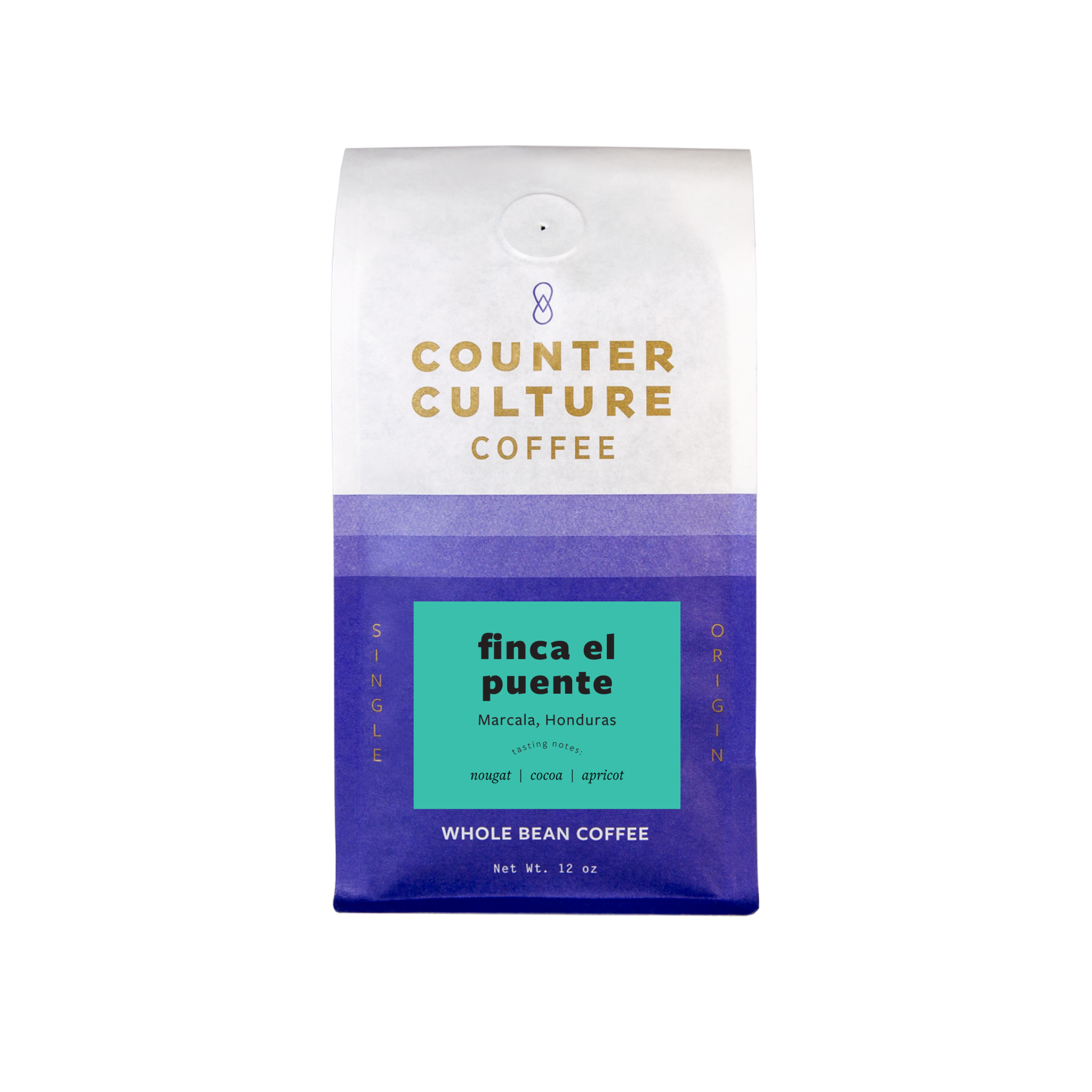
Region guide →Ocotepeque is a department in western Honduras. Counter Culture places Finca Pashapa in La Labor, and a Cocafelol source identifies the farm in La Labor, Ocotepeque.
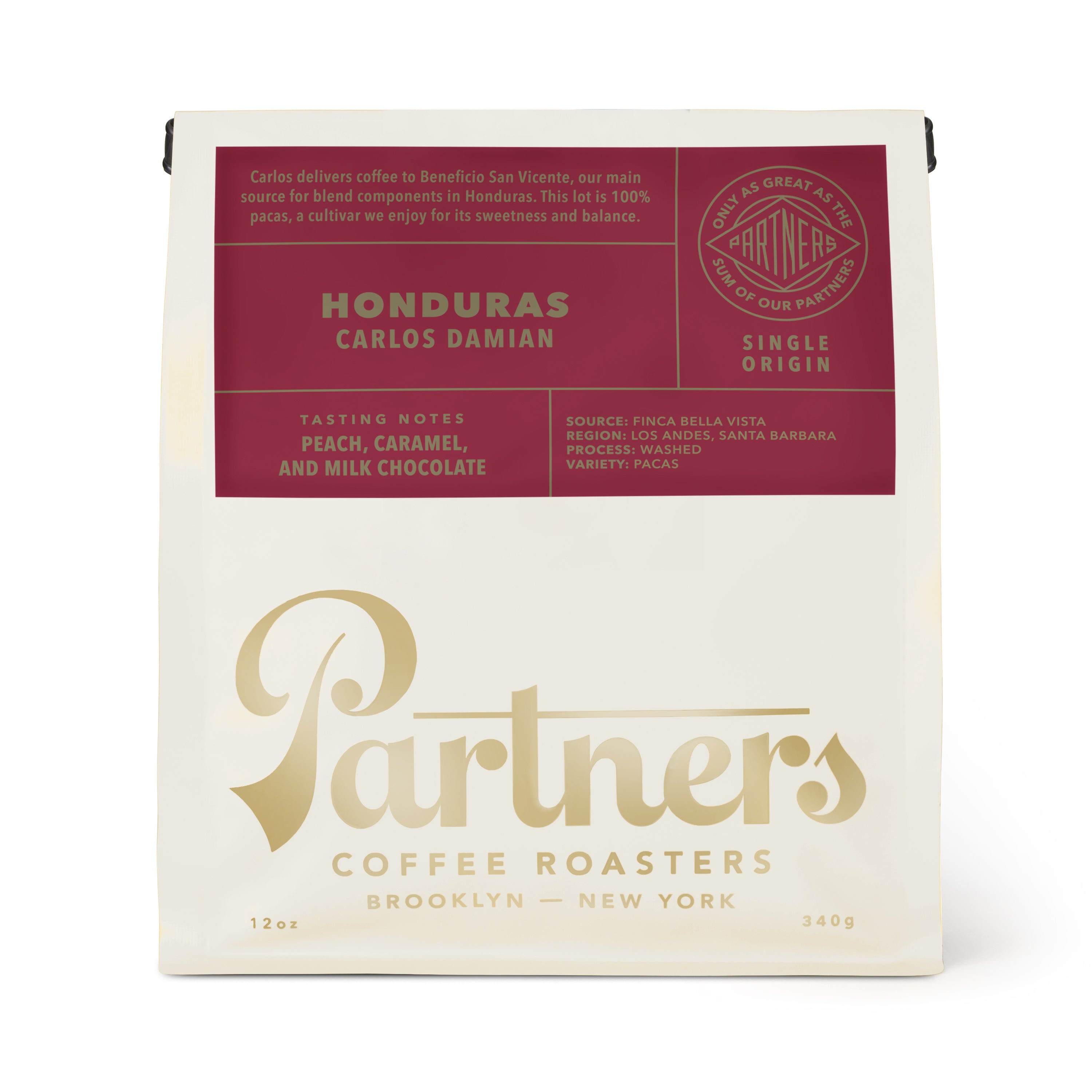
Region guide →La Paz is the Honduran department that includes Chinacla, the location Intelligentsia documents for the 2026 La Tortuga Batian release. The roaster places that coffee at 1,600 to 1,700 meters. That elevation and the Batian cultivar describe the verified La Tortuga lot, not every coffee grown across the department.
Region guide →Lempira is Honduras' far-western coffee country, a mountainous department bordering El Salvador and Guatemala, named for the 16th-century Lenca leader who organized indigenous resistance against the Spanish conquest. In the coffee trade the department is grouped with the wider Copán growing zone — one of the six key regions IHCAFE, the national coffee institute, uses to organize production. Farms sit within the western highlands' documented band of roughly 1,000 to 1,600 m, and the harvest follows the national pattern, roughly October or November into March — approximate dates that vary with altitude and the year. An honest caveat: much of what the trade publishes about Lempira's coffee arrives via that wider Copán region grouping, and department-level sourcing remains thinner than for Honduras' marquee origins. Production is smallholder coffee in the national mold, on family plots growing the IHCAFE-distributed variety set — Bourbon, Catuaí, Caturra, Pacas and Typica — alongside the rust-resistant Lempira variety, the cultivar IHCAFE developed and named after the same historical figure as the department itself. The washed process is standard. In the cup, the region's documented profile is medium-bodied with balanced acidity and mild, nutty flavors — comfortable, everyday-drinking coffee rather than a competition statement. That is a tendency described at the regional-grouping level, and every lot is farm- and season-specific. What makes Lempira distinctive is the name itself: a department and a coffee variety both honoring the country's great indigenous leader, in one of Honduras' most historically layered landscapes.
Region guide →Copán is Honduras' western coffee country, a hilly border highlands near Guatemala that shares its name with the celebrated Maya ruins of Copán. It is one of the six key growing regions IHCAFE, the national coffee institute, uses to organize the country's production — Honduras being one of Central America's leading Arabica producers and a top global exporter. Farms sit within the region's documented band of roughly 1,000 to 1,600 m, with most specialty lots at the higher end; coffee above the high-grown thresholds carries the Strictly High Grown (SHG) designation, the country's top altitude grade. The harvest follows the national pattern, running roughly from October or November into March or April — approximate dates that vary with altitude and the year. Production is smallholder coffee in the national mold: family plots with mixed cultivation, organized around IHCAFE's variety program. The institute introduced and distributed most of the varieties the country grows — Catuaí, Bourbon, Caturra, Pacas, Typica, IHCAFE-90 among them — and the washed process is standard across the region. In the cup, the trade commonly describes Copán in chocolate terms — caramel sweetness, full body, gentle acidity — the classic comforting Honduran profile. That is a documented tendency, not a rule; every lot is farm- and season-specific. What makes Copán distinctive is its place at the crossroads: Maya archaeology, borderland culture and the oldest of Honduras' quality-coffee reputations, all in one highland department.
Region guide →Marcala, in the La Paz department highlands of southwestern Honduras, is the origin that put Honduran coffee on the map of protected names: Café de Marcala was the first coffee Denomination of Origin in Central America — and among the first in the Americas — a recognition built on the region's high-altitude smallholder farming. The denomination sits within the wider Montecillos highlands, one of the country's key growing areas, where farms sit at roughly 1,300 to 1,700 m on mineral volcanic highland soils. Nearly all of Marcala's coffee qualifies as Strictly High Grown, the country's top altitude grade, and the harvest follows the national pattern, roughly October or November into March — approximate dates that vary with altitude and the year. Marcala is cooperative country: family farms organized into producer groups, with a documented leaning toward organic cultivation in the denomination zone. The varieties are the Honduran standard set — Bourbon, Caturra, Catuaí, Pacas and Typica — and the washed process is standard. In the cup, the region is commonly described as bright and rounded at once — milk chocolate, praline and hazelnut tones with a clean, lively acidity; at Marcala altitudes Caturra tends brighter than Catuaí at comparable sweetness. These are documented tendencies, and every lot is farm- and season-specific. What makes Marcala distinctive is institution-building: nowhere else in Honduras did producers organize a protected regional identity first, and the denomination remains the country's coffee-culture calling card.
Region guide →Santa Bárbara is one of the great producing areas of western-central Honduras, a department of mountains and microclimates whose coffee lands climb the slopes around the Santa Bárbara highlands. It is counted among the country's major growing regions by volume — a documented anchor of Honduran production. Farms sit commonly at about 1,400 to 1,750 m, with the highest lots reaching toward the 2,000 m ceiling of the Strictly High Grown grade. Fertile soils, varied topography and pronounced microclimates give the department an unusual range of cup profiles within one administrative name. The harvest follows the national pattern, roughly October or November into March — approximate dates that vary with altitude and the year. Production is smallholder coffee in the national mold: family plots organized around cooperatives and IHCAFE, the national coffee institute, whose variety program introduced most of what the country grows. Here that set runs to Bourbon, Catuaí, Caturra, Pacas and Parainema, and both washed and honey processing are documented in the region — a wider processing repertoire than the national norm. In the cup, the trade's general descriptions of Santa Bárbara run to bright, fruit-forward profiles — berry-toned acidity in a clean structure. That is a documented tendency, and every lot is farm- and season-specific. What makes Santa Bárbara distinctive is scale plus altitude: few Honduran departments combine this much production with a specialty-grade altitude ceiling.
Region guide →
 Editorial illustration
 Editorial illustration

 Editorial illustration



 Editorial illustration
Learn something new, follow the people behind your cup, or explore by flavor and tags.


