Worth the Price?
Understand bag sizes, cost per brew and documented coffee differences before judging value.
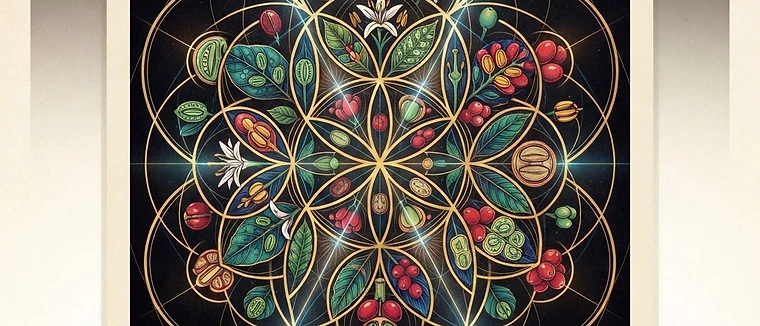
Every cup of coffee carries a genetic map that traces back to ancient forests, determining everything from the resilience of the plant to the sweetness in your mug.
Understanding coffee varieties helps you navigate the complex flavors found in your cup by identifying the unique genetic traits of the bean. Just as different grape types define wine profiles, distinct coffee varieties offer specific flavor, acidity, and body characteristics. Knowing which variety you are drinking allows you to make more informed choices based on your personal palate preferences.
When we talk about coffee varieties, we are essentially looking at the botanical genealogy of the coffee plant. Most consumed today belongs to the species Coffea arabica, but this species is not a monolith. Over centuries of migration, cultivation, and cross-pollination, Arabica has splintered into hundreds of distinct varieties, each possessing unique physical traits—like how high the tree grows or the shape of its leaves—and sensory qualities.
Think of these varieties as different musical instruments within an orchestra. While the basic 'coffee' sound is familiar, a Typica variety might offer the clean, nuanced clarity of a flute, whereas a Bourbon variety might provide the deep, resonant sweetness of a cello. This biological architecture is what farmers and breeders manipulate to ensure their crops can withstand regional climates while delivering the flavors that specialty markets demand.
The story of coffee varieties begins in the wild, diverse forests of Ethiopia. The term 'Heirloom' often appears on bags of coffee, referring to the thousands of wild, genetically diverse varieties that grow naturally in these regions. These plants have spent centuries adapting to local pests, shifts, and rainfall patterns, creating a treasure trove of genetic material.
As coffee moved out of Africa, its genetic base narrowed significantly. When the Dutch transported seedlings to Indonesia and the French brought others to the Caribbean, they carried only a small fraction of the original diversity. This created the classic 'Typica' and 'Bourbon' lineages that would dominate the coffee world for centuries. These two varieties became the ancestors of almost all modern commercial coffee, acting as the bedrock upon which generations of agricultural selection were built.
Who decides which coffee trees get planted? Historically, that decision rested with farmers who practiced selective breeding. They would identify the 'best' tree on their farm—the one that produced the most fruit or survived a harsh season—and save those seeds for the next harvest. This process, repeated over decades, resulted in the emergence of distinct, stable varieties.
Modern agricultural science has accelerated this process significantly. By understanding the genetics of the coffee plant, researchers now cross-breed varieties to combine specific desirable traits. For instance, they might cross a high-yielding variety with one that is resistant to 'coffee leaf rust,' a devastating fungal disease. This deliberate engineering aims to balance the economic needs of the farmer with the flavor expectations of the consumer.
Today, when you see names like '' or '' on a coffee bag, you are looking at the result of this long history of movement and mutation. , a natural mutation of the older Bourbon variety, was prized for its smaller size, which allowed farmers to plant more trees per hectare. In contrast, the variety, discovered in Ethiopia but popularized in Panama, is known for its intense floral and fruit-forward profile, demanding specific high- conditions to thrive.
It is important to remember that variety is only one piece of the puzzle. The way the coffee is grown, the mineral composition of the soil, and the chosen fermentation method all play roles in the final cup. However, the variety establishes the 'ceiling' for what a coffee can taste like. If a plant does not have the genetic potential for high sweetness or complex acidity, no amount of careful processing can fully create those traits.
As climate patterns shift, the importance of coffee varieties has never been more critical. Traditional, high-quality varieties are often the most fragile, struggling under the pressures of rising temperatures and changing rainfall. This is why agricultural researchers are currently focused on 'climate-resilient' varieties, which seek to maintain the high quality of heritage trees while gaining the fortitude required to survive in hotter, drier environments.
The future of your morning cup lies in this intersection of heritage and innovation. We are entering an era where breeders are using advanced genomics to understand the coffee plant better than ever before. This ensures that the diversity we value—the sweet, bright, and complex flavors we adore—is not just a relic of the past, but a sustainable reality for future generations of coffee drinkers.
No directly verifiable external source links are recorded for this story. Its research claims require further verification.
Explore documented coffee differences, then choose a brewing method. Related profiles are research connections, not proof that we tasted each coffee.
Understand bag sizes, cost per brew and documented coffee differences before judging value.
Follow documented origins to farms and the people behind the coffee. A profile is distinct from an original interview.
Separate tasting vocabulary from processing claims, then explore coffee profiles and brewing methods.
Learn something new, follow the people behind your cup, or explore by flavor and tags.