
 Editorial illustration
🇪🇹Ethiopia
Ethiopia · Yirgacheffe
Archive: Ethiopia Worka
Worka Cooperative
Verve Coffee Roasters
Worka Cooperative member farms
Ethiopian Landraces· Natural
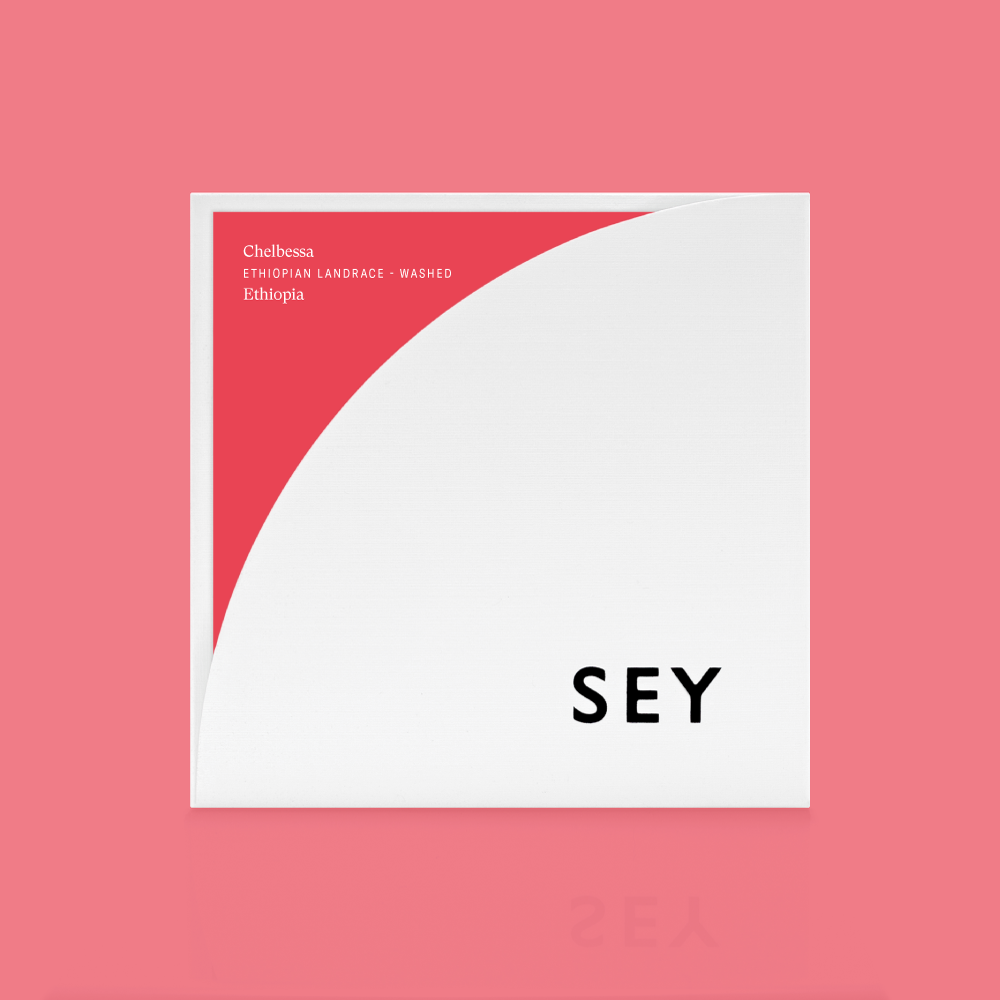
Explore the profile →Ethiopian landraces are not a single variety but a vast, genetically diverse collection of indigenous Coffea arabica populations that evolved in the country's highland forests. These plants have been shaped over centuries by both natural selection and traditional farmer-led cultivation, resulting in thousands of distinct genotypes. This genetic reservoir is globally significant because it provides the raw material for breeding climate-resilient and disease-resistant coffee varieties. Because these populations are so varied, they exhibit a wide range of physical traits and flavor profiles that are often categorized by region rather than specific cultivar names.
Ethiopia holds thousands of locally selected and semi-wild varieties — 74110 and 74112 from the 1974 JARC selections, plus farmer selections like Kurume, Dega, Wolisho and Heirloom-style regional coffees. They are coffee's gene pool, its origin story, and its insurance policy against an uncertain future.
The famous Ethiopian spectrum: blueberry-heavy naturals, jasmine-and-citrus washed lots, wine-like Harrar — profiles modern breeding still chases.
Enormous diversity — from forest shrubs to garden trees; many lack formal catalog entries at all.
For Ethiopian farmers they're simply local coffee — heirlooms passed down for generations. For the world, they're the highest-ceiling flavor genetics on Earth.
Editorial record last reviewed: . Sources document specific claims, not guarantees about every coffee sold under this variety name.
Editorial illustration
 Editorial illustration


 Editorial illustration


 Editorial illustration


 Editorial illustration
 Editorial illustration
 Editorial illustration
 Editorial illustration
 Editorial illustration
 Editorial illustration
 Editorial illustration
 Editorial illustration

 Editorial illustration
 Editorial illustration
 Editorial illustration

 Editorial illustration
 Editorial illustration








 Editorial illustration
 Editorial illustration


Learn something new, follow the people behind your cup, or explore by flavor and tags.


