
4.9
🇪🇹Ethiopia
Ethiopia · Limu
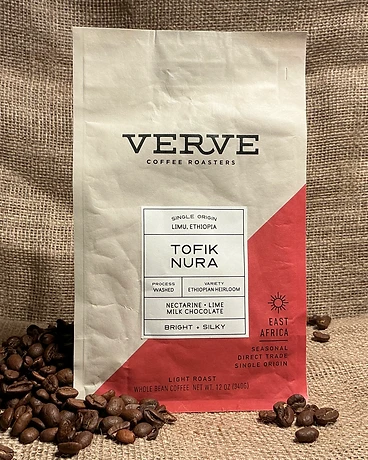
Tofik Nura — Verve Coffee Roasters
Tofik Nura and neighboring smallholder farmers in Sadi
Sadi district — Tofik Nura release
· Washed
Read the review →
Editorial illustration · not a verified photograph of this location
The birthplace of coffee. Ethiopia's wild forests and ancient varieties produce some of the most distinctive, floral and fruit-forward coffees on earth.
Coffee, specifically Coffea arabica, is indigenous to the southwestern highlands of Ethiopia, where it has been consumed by local communities for centuries before its cultivation spread to Yemen in the 15th century. While the legend of Kaldi remains a cultural cornerstone, historical evidence suggests that the Oromo people were the first to recognize the stimulating properties of the plant. Ethiopia's coffee sector underwent significant modernization in the 20th century, marked by the establishment of the National Coffee Board in 1957 to regulate quality and exports. The country faced economic challenges during the 1970s and 1980s due to political instability and state-controlled marketing systems, which hindered international trade. Following the liberalization of the market in the 1990s and the creation of the Ethiopia Commodity Exchange in 2008, the industry shifted toward a focus on traceability and high-quality specialty grades. Today, Ethiopia maintains its status as Africa's largest coffee producer, leveraging its unparalleled genetic diversity and distinct regional profiles to command a premium position in the global specialty market.
Keffa is a high-altitude, forested zone in southwestern Ethiopia widely recognized as the birthplace of Coffea arabica. The region is characterized by its lush mountain rainforests, which host thousands of wild coffee varieties and were designated a UNESCO Biosphere Reserve in 2010. Coffee production here primarily occurs in forest, semi-forest, and small-holder garden settings rather than large-scale plantations. The area features red-brown clay soils and a wet, temperate climate that supports the growth of high-quality specialty coffee.
Region guide →Arbegona is a woreda located within the Sidama zone of Ethiopia, recognized for its exceptionally high coffee-growing elevations that often range between 1,900 and 2,450 meters above sea level. The region features a favorable micro-climate where cooler temperatures cause coffee cherries to ripen more slowly than in lower-altitude areas. This extended maturation period contributes to the development of dense, compact seeds and complex, vibrant cup profiles. Coffee serves as the primary cash crop for the local smallholder farmers who cultivate these high-quality lots.
Region guide →West Arsi is a high-altitude coffee-growing region in Ethiopia where farms typically sit between 1,900 and 2,064 meters above sea level. Smallholder farmers in the area often utilize traditional garden-style cultivation methods, frequently intercropping coffee with other food crops like enset. The region has gained international recognition for its quality, having been designated as a unique origin by the Ethiopian Commodity Exchange. Farming practices remain largely organic-by-default, with most work performed manually by families without the use of chemical fertilizers or pesticides.
Region guide →Jimma Zone is a prominent coffee-producing region in southwestern Ethiopia characterized by its high-altitude highlands and traditional forest-based cultivation. Coffee is typically grown in small garden plots of less than five hectares, often intercropped with native shade trees and food crops to maintain a healthy ecosystem. The region features diverse elevations ranging from approximately 1,000 to over 2,200 meters, which significantly influences the flavor profiles of the coffee. Farming practices remain largely traditional and organic-by-default, with minimal use of synthetic fertilizers or pesticides.
Region guide →Bench Maji is a zone in southwestern Ethiopia characterized by its dense, untouched forests and diverse plant genetics. Coffee cultivation here spans a wide altitude range, typically between 1,400 and 2,300 meters above sea level. The region utilizes various production systems, including forest, semi-forest, and plantation methods. It is recognized for its unique microclimates and as the site where the Gesha variety was discovered in the wild.
Region guide →Kochere is the Ethiopian origin named by SEY for the Kedida Gubata separation. The exact 2025 release traces cherries to unnamed high-elevation farms around Kedida Gubata and records processing at the nearby Worka Washing Station; this region record preserves that documented origin without inventing a farm identity.
Region guide →Sidama is a regional state and coffee-growing origin in southern Ethiopia. The linked 2026 Demeka Becha lot is documented by SEY specifically in Bona Zuria, Sidama, at 2,200 meters; its variety, process, elevation and cup notes are lot-specific and should not be generalized to every Sidama coffee.
Region guide →Bensa is the Sidama district identified by SEY for Tamiru Tadesse Tesema’s Safo lot from Alo Village. This record is linked only where an exact coffee source names Bensa; it does not generalize farm, producer, elevation, or processing details to every coffee from the district.
Region guide →Gedeb is the Ethiopian district named by SEY for the Chorso Bule Highest Elevation Project. The exact release places the project in Gedeb and describes Chorso Bule as a specific high-elevation site developed with SNAP; this record avoids collapsing that documented origin into the broader Yirgacheffe label.
Region guide →Guji is a coffee zone in Ethiopia's Oromia region, south and east of Yirgacheffe, and one of the youngest major Ethiopian designations: its coffee was traditionally grouped under Sidamo, and Guji earned its own trade identity as demand for its lots grew. The zone's growing areas concentrate in its western and northwestern highlands around Shakiso, Uraga and Hambela, at altitudes commonly reported between about 1,800 and 2,200 m — and frequently above 2,000 m on the highest plantations. Production mixes smallholder plots with larger estates and washing-station networks — in parts more like the structured specialty production of Latin America than the garden-coffee norm of southern Ethiopia. Deep highland soils, shade and slow high-altitude maturation produce dense, complex beans. Guji lots are often described — as a tendency, never a guarantee — as combining fruit sweetness with floral aromatics and a syrupy body that distinguishes them from neighboring Sidama coffees: ripe peach and tropical fruit in washed lots, intense blueberry and wine-like sweetness in naturals, and jasmine or citrus-blossom aromatics at the top end. Both the washed process and the natural process are common here. The harvest sits squarely within Ethiopia's October-to-February window, with picking heaviest from November to January. The plant material is mostly uncatalogued Ethiopian landraces, as across most of the south; Kurume, a farmer selection widely grown across Guji and the neighboring Gedeo Zone, is among the varieties buyers most often hear named — sometimes even applied loosely to JARC-selected research types. On a modern label, Guji has real meaning: the designation signals a fruit-forward, high-altitude southern Ethiopian coffee that is neither Yirgacheffe nor Sidama. In practice the three zones' cups can overlap, and the washing station or district on the lot tells you more than the zone name — a nuance worth holding onto when comparing bags.
Region guide →Limu (also spelled Limmu) is a coffee area within the Jimma Zone of Ethiopia's Oromia region, in the country's southwest — the washed counterpart to the region's better-known natural-processed coffees, and for years the more overlooked side of Ethiopian specialty. Coffee here grows in forest and semi-forest garden systems under indigenous shade, at commonly between about 1,400 and 2,100 m, with specialty washing stations documenting windows around 1,800–2,100 m and station-level altitudes near 1,900 m. The plantings are indigenous landraces and heirloom cultivars — Ethiopia's classic, unnamed-by-variety genetics — and the defining process is washed, the identity that separates Limu from Jimma's naturals. In the cup, buyers commonly describe Limu as the rounder, gentler washed Ethiopian: medium-to-full 'wine-like' body, balanced acidity, floral and spice notes with stone fruit. 'Limu' also circulates as a grade classification in Ethiopian coffee, so provenance should be checked lot by lot — and every cup is station- and season-specific.
Region guide →“Sidamo” is the historic coffee-trade name; “Sidama” is the people, the language and, since a 2020 referendum, one of Ethiopia's regional states. The trade name goes back to the old Sidamo province, and the Sidamo spelling — long used on labels, most famously by Starbucks — became contentious by the 1990s; the Ethiopian Coffee Exchange switched to Sidama in 2007. Coffee sold under the famous name historically included lots from neighboring zones too, because the name sold — a point Ethiopian exporters openly make about the region's marketability. Geographically, today's Sidama region lies in the fertile highlands south of Lake Awasa. Elevations run roughly 1,500–2,200 m with annual rainfall around 1,200–2,000 mm — conditions that ripen coffee slowly and late; this region's harvest arrives after much of the rest of Ethiopia's. The production base is built on smallholder plots, more than 50 cooperatives and roughly 200 washing stations, and Sidama is a leading source of Ethiopia's grade one and grade two coffee, its two highest quality rankings. The plant material is mostly uncatalogued landraces, with the JARC selections 74158, 74110 and 74112 the most commonly identified varieties. Both the washed process and the natural process are widespread — washed slightly more popular — while honey and experimental fermentation are emerging as producers gain room to experiment after decades of strictly standardized, government-controlled processing. Three producing areas illustrate the range. Bensa in the north (roughly 1,800–2,300 m) is known for intensely fruity lots, sometimes with strawberry notes; Chire (about 1,900–2,100 m) for nut, dried-fruit and wine-like cups; and Aroresa in the east (about 1,900–2,000 m) for milder jasmine-and-black-tea profiles produced at higher volume. As a tendency rather than a promise, Sidama cups are described with spice, lemon and bergamot over crisp acidity and rich body. On a label, Sidamo tells you less than a narrower designation — the zone is broad and village-to-village differences are significant — so serious roasters also name a washing station or district. Our Ethiopia origin page and our Coffee 101 guides to washed and natural processing cover the wider context.
Region guide →Yirgacheffe is one of the most famous coffee names in the world — a small highland area in the Gedeo Zone of southern Ethiopia, centered on the town that gives it its name. Coffee grows on steep slopes between roughly 1,700 and 2,200 m altitude, in the cool southern highlands where cherry matures slowly. What you meet on a bag is an Ethiopian trade designation: Yirgacheffe is one of the country's three trademarked coffee regions, alongside Harrar and Sidama. Gedeo's terrain is dense, hilly and intensely farmed. Coffee is grown as garden coffee on small family plots, often intercropped with food crops under shade trees — a producer structure of thousands of tiny farms feeding a dense network of washing stations and cooperatives, where cherry from nearby villages is often processed together and labeled as mixed heirloom. Yirgacheffe built its reputation on the washed process, and its clean, floral, tea-like washed lots remain the benchmark for southern Ethiopian coffee. Natural lots are also common — berry-forward and heavier-bodied — while honey and experimental fermentation remain rare in the region. The plant material is classic Ethiopian landrace diversity: mostly uncatalogued local selections, including types known in Gedeo as Kurume, Dega and Wolisho, alongside JARC-selected research varieties such as 74110, 74112 and 74158. Harvest falls within Ethiopia's October-to-February national window, with peak picking around November–January and washed lots reaching the market first. Names like Kochere, Gedeb, Idido, Worka and Aricha narrow a lot further — roasters use them to point at specific highland pockets. Washed Yirgacheffe is commonly described — as a tendency, never a guarantee — with jasmine, bergamot, lemon and stone fruit over a light, tea-like body; natural lots lean toward blueberry and strawberry sweetness. The name exists on labels because Ethiopia trademarked its flagship regions, and today it functions as shorthand for delicate, floral single-origin coffee at the highest end of the specialty market.
Region guide →Harrar is Ethiopia's eastern coffee designation — and the name is a geography lesson in itself. It comes from the historic walled city of Harar, capital of the separate Harari regional state, but almost all coffee sold as Harrar is grown on the Hararghe highlands of the surrounding Oromia region: the East and West Hararghe zones, on smallholder plots at altitudes commonly reported between roughly 1,500 and 2,100 m. Sources differ on the range, and the eastern zone runs somewhat lower — about 1,500–1,900 m — with fuller, earthier cups. Unlike the wet south, eastern Ethiopia is dry. Sun-drying coffee in the whole cherry — the natural process — has always been the practical method here, which makes Harrar the classic natural-processed Ethiopian coffee and one of the most recognizable designations in the world's trading history. The profile is bold: full body with pronounced fruit, wine and dark-chocolate character, and blueberry the hallmark descriptor — a tendency, not a guarantee, and one that varies widely between lots and grades. The plant material is largely uncatalogued heirloom, grown on tiny farms and dried during an October-to-February harvest, with picking at its heaviest November through January. Harrar shares trademarked-region status with Yirgacheffe and Sidama, and it carries one of the longest continuous trading histories of any coffee name: Harrar lots moved through regional trade for generations before specialty coffee existed. On a modern label the name still means heavy, fruity, naturally dried coffee — the opposite pole from delicate washed Yirgacheffe, a favorite espresso-blend component, and a style that rewards roasters who handle it well.
Region guide →
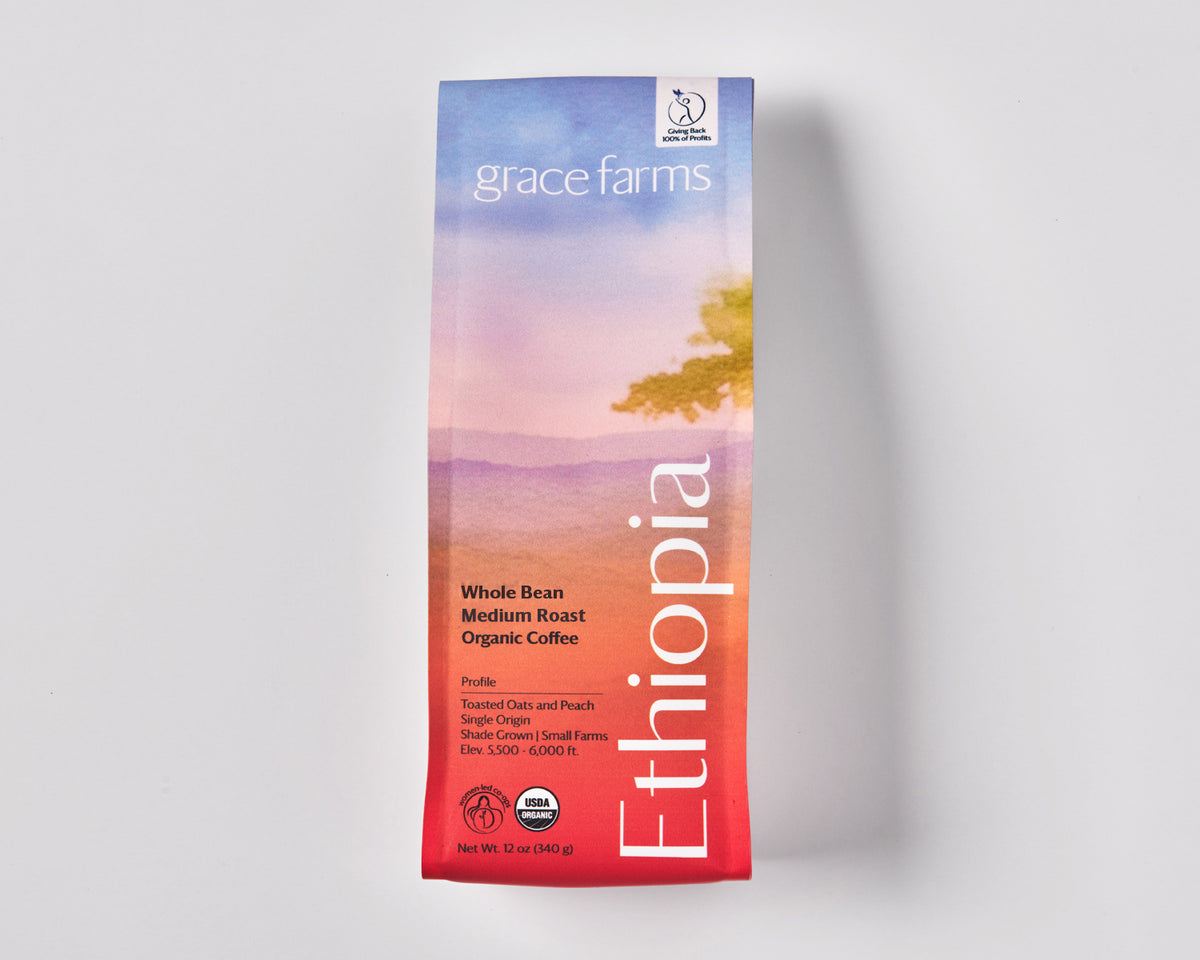

 Editorial illustration

 Editorial illustration
 Editorial illustration
 Editorial illustration
 Editorial illustration
 Editorial illustration
 Editorial illustration
Learn something new, follow the people behind your cup, or explore by flavor and tags.


