
🇳🇮Nicaragua
Nicaragua
Klatch Coffee’s Dutch Heritage Bundle
Gold Mountain Coffee Growers
Klatch Coffee
Finca Idealista
· Carbonic Maceration
Explore the profile →
Editorial illustration · not a verified photograph of this location
Nicaragua's coffee grows in the northern highlands of Matagalpa, Jinotega and Nueva Segovia, where the Maragogype 'elephant bean' found one of its most famous homes and a new generation of producers is exploring experimental processing.
Coffee was introduced to Nicaragua in the early 19th century, with commercial cultivation beginning in the 1840s around Managua. By 1870, coffee had become the nation's principal export crop, a dominant economic position it maintained for over a century. The industry experienced significant growth through the mid-20th century, though it was frequently disrupted by political instability, civil war, and natural disasters like the 1998 hurricane. A severe "coffee crisis" between 1999 and 2004 further challenged producers, leading to a strategic shift toward specialty coffee and market linkages for smallholders. Today, Nicaragua has re-established itself as a notable origin, characterized by a high percentage of smallholder farmers who are increasingly experimenting with diverse varieties and processing methods.
Matagalpa is a central department in Nicaragua's northern highlands characterized by a mountainous landscape and deep, mineral-rich soils. Coffee is typically cultivated at altitudes ranging from 800 to 1,600 meters above sea level. The region is known for its long-standing history of estate-based farming and a strong tradition of shade-grown practices. These conditions, combined with a temperate climate, produce balanced coffees often noted for their sweetness, citrus notes, and floral characteristics in higher-altitude lots.
Region guide →Madriz is a mountainous department in northern Nicaragua characterized by its pine and oak forests and high biodiversity. Coffee is primarily cultivated in the municipality of San Juan del Río Coco, where smallholder farms benefit from fertile volcanic soils and a mild mountain climate. Growing altitudes in this region typically range from 1,000 to 1,600 meters above sea level. The area is recognized for its unique microclimates that allow coffee cherries to mature slowly, contributing to a complex flavor profile.
Region guide →Estelí is a northern Nicaraguan department whose six municipalities include Pueblo Nuevo. Nicaragua’s national statistics institute identifies coffee as an important crop in Pueblo Nuevo and Condega; Intelligentsia places the Canales family’s Los Delirios farm in Pueblo Nuevo, Estelí.
Region guide →Dipilto is a coffee-growing municipality in Nueva Segovia, Nicaragua. Counter Culture documents Finca La Victoria here at 1,300 to 1,600 meters; the archived lot used Catuaí, Caturra and Bourbon and was harvested from December 2023 through February 2024.
Region guide →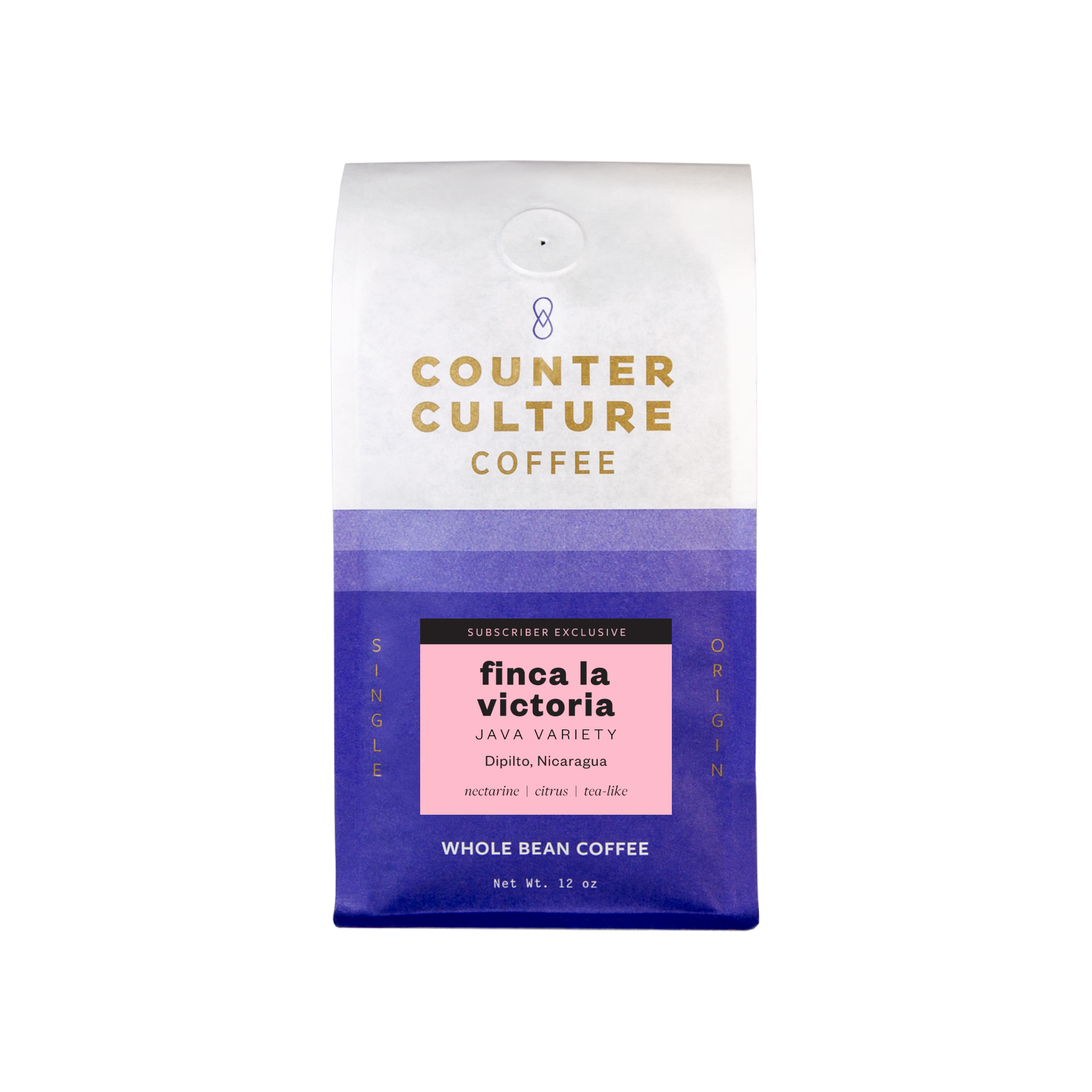
 Editorial illustration
 Editorial illustration

 Editorial illustration

 Editorial illustration
Learn something new, follow the people behind your cup, or explore by flavor and tags.


