Place · people
Follow coffee to its origin
Who grew it, and where?
Start with the growing landscape, move into origin guides, then inspect farm and producer records. Not every coffee names an individual farmer.
156 pages on this site carry this tag — reviews, profiles, answers and stories. Tags are derived from our documented data, never invented.
Nicaragua is a significant Central American coffee origin known for its high-quality Arabica production, primarily driven by smallholder farmers. Despite facing sociopolitical and economic challenges, the country remains a vital global exporter, celebrated for its diverse microclimates and innovative processing techniques that yield complex, balanced cup profiles.
Research entry updated 2026-09-29 · not source-audited · 9 sources

Nicaragua, often called the land of lakes and volcanoes, occupies a unique position in the global coffee landscape. While it is the largest country in Central America by landmass, its coffee industry is defined by a high concentration of smallholder farmers rather than large estates. This structure makes the coffee sector a cornerstone of the national economy, contributing over 20% of the agricultural GDP and providing employment for approximately 330,000 people. The industry is a vital source of income for rural populations, though it frequently navigates the complexities of sociopolitical instability and fluctuating global market prices.
Coffee was introduced to Nicaragua in the mid-1800s, eventually becoming the country's largest export crop by 1870. Today, the nation ranks as the 12th largest coffee producer globally. The vast majority of this output—over 95%—is Arabica, though the government legalized Robusta production in 2013 for lower-elevation regions to diversify agricultural output. The primary Arabica varieties cultivated include Caturra, which accounts for nearly three-quarters of the total Arabica area, alongside Bourbon, Catuaí, and specialty favorites like Maragogype, Pacamara, and Maracaturra.
The country's terroir is shaped by its volcanic soil and varied topography, with the most renowned coffee-growing regions located in the northern highlands. Departments such as Jinotega, Matagalpa, and Nueva Segovia are widely considered the heart of Nicaraguan specialty coffee. These regions benefit from high altitudes, typically ranging from 1,100 to 1,700 meters, which allow for the slow maturation of coffee cherries. This environment, combined with traditional shade-grown practices, contributes to the distinct, high-quality cup profiles that have gained international recognition in competitions like the Cup of Excellence.
The harvest calendar in Nicaragua generally runs from December through March. During this period, the labor-intensive process of selective hand-picking is essential to maintaining quality. Following the harvest, the coffee is typically processed using the washed method, though there is a growing trend of experimentation with natural and honey processing techniques. These innovations, often led by producers seeking to differentiate their lots in a competitive market, have resulted in a diverse range of flavor profiles, frequently characterized by notes of cocoa, citrus, and floral aromatics.
Despite its potential, the industry faces significant hurdles, including the long-term impact of coffee leaf rust and the need for consistent farm renovation. Many farmers struggle with limited access to credit, which often delays the replacement of aging or diseased trees. Nevertheless, the resilience of Nicaraguan producers is evident in their continued participation in global auctions and their commitment to improving quality. The closure of major industry players in recent years has forced a shift toward more direct trade relationships, which many specialty roasters are now leveraging to support sustainable practices at the farm level.
For the drinker, Nicaraguan coffee offers a compelling balance of body and acidity. The cup is often described as having a clean, sweet, and well-rounded character, making it a versatile choice for both single-origin offerings and high-quality blends. As producers continue to refine their processing methods and focus on varietal selection, the country is increasingly viewed as a specialty origin with significant untapped potential, rewarding those who look beyond the more famous neighboring origins to discover the unique pockets of production found across the Nicaraguan landscape.
This topic connects to broader guides. Follow the sequence, or return to the complete TAG directory to explore other subjects.
Who grew it, and where?
Start with the growing landscape, move into origin guides, then inspect farm and producer records. Not every coffee names an individual farmer.

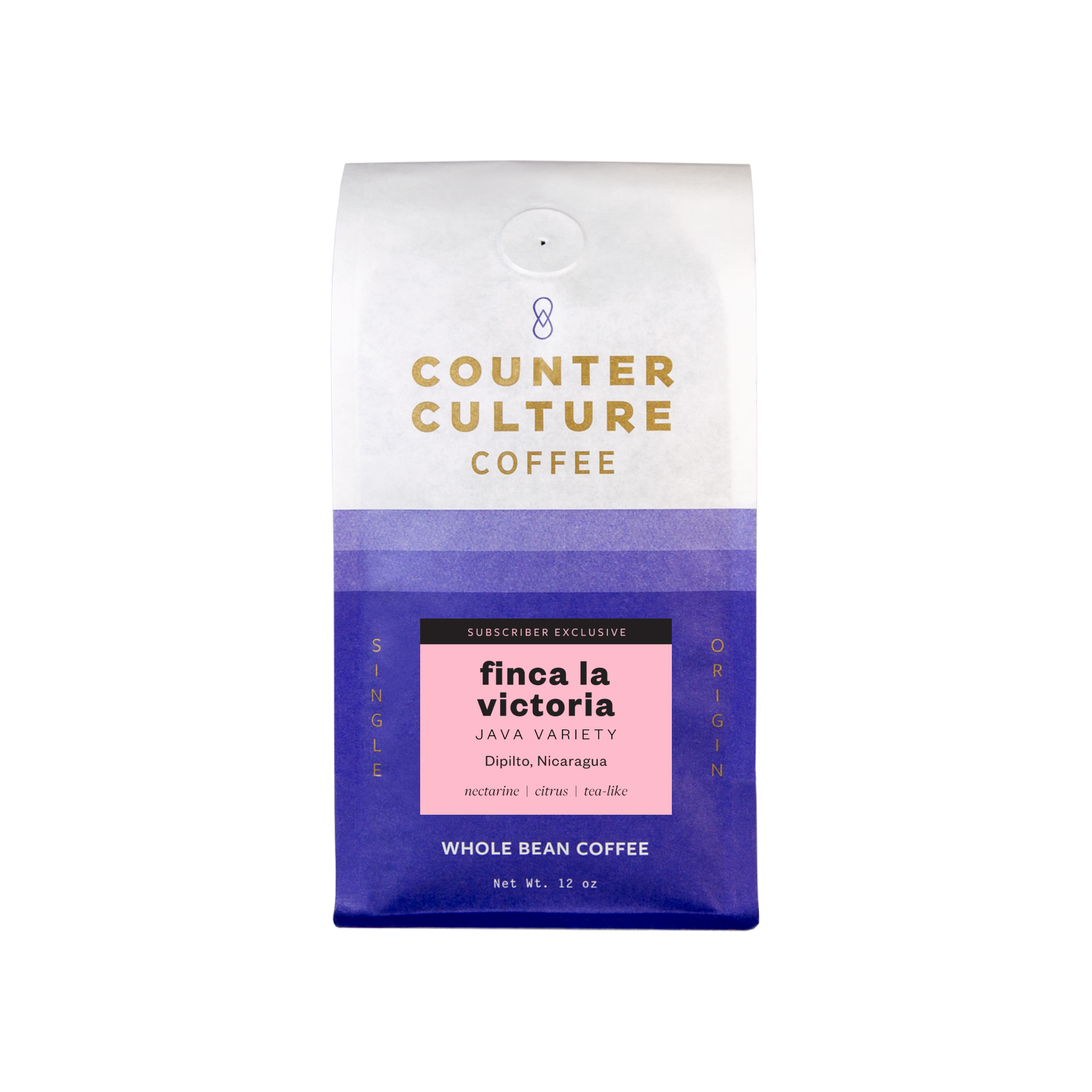
 Editorial illustration
 Editorial illustration

 Editorial illustration
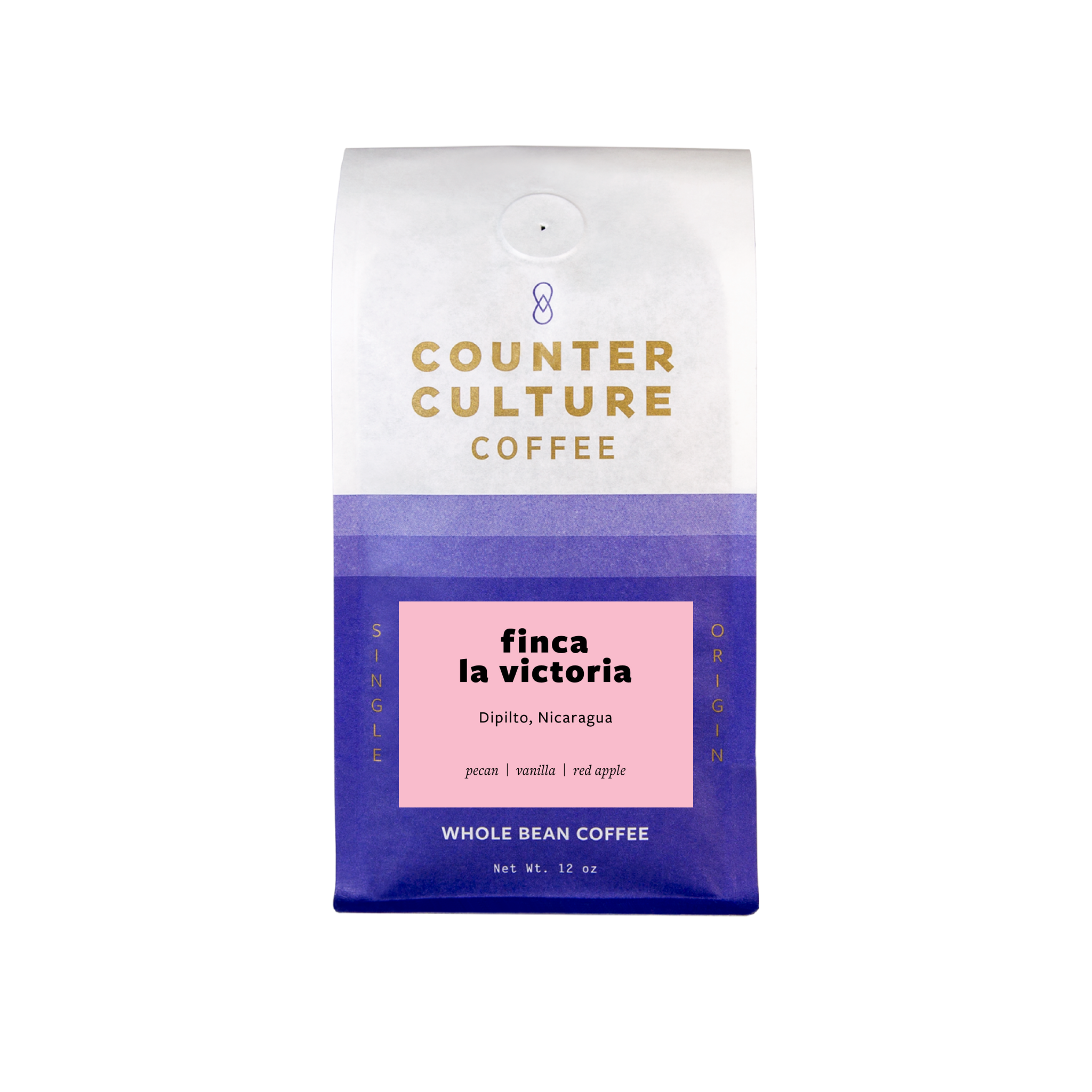
 Editorial illustration
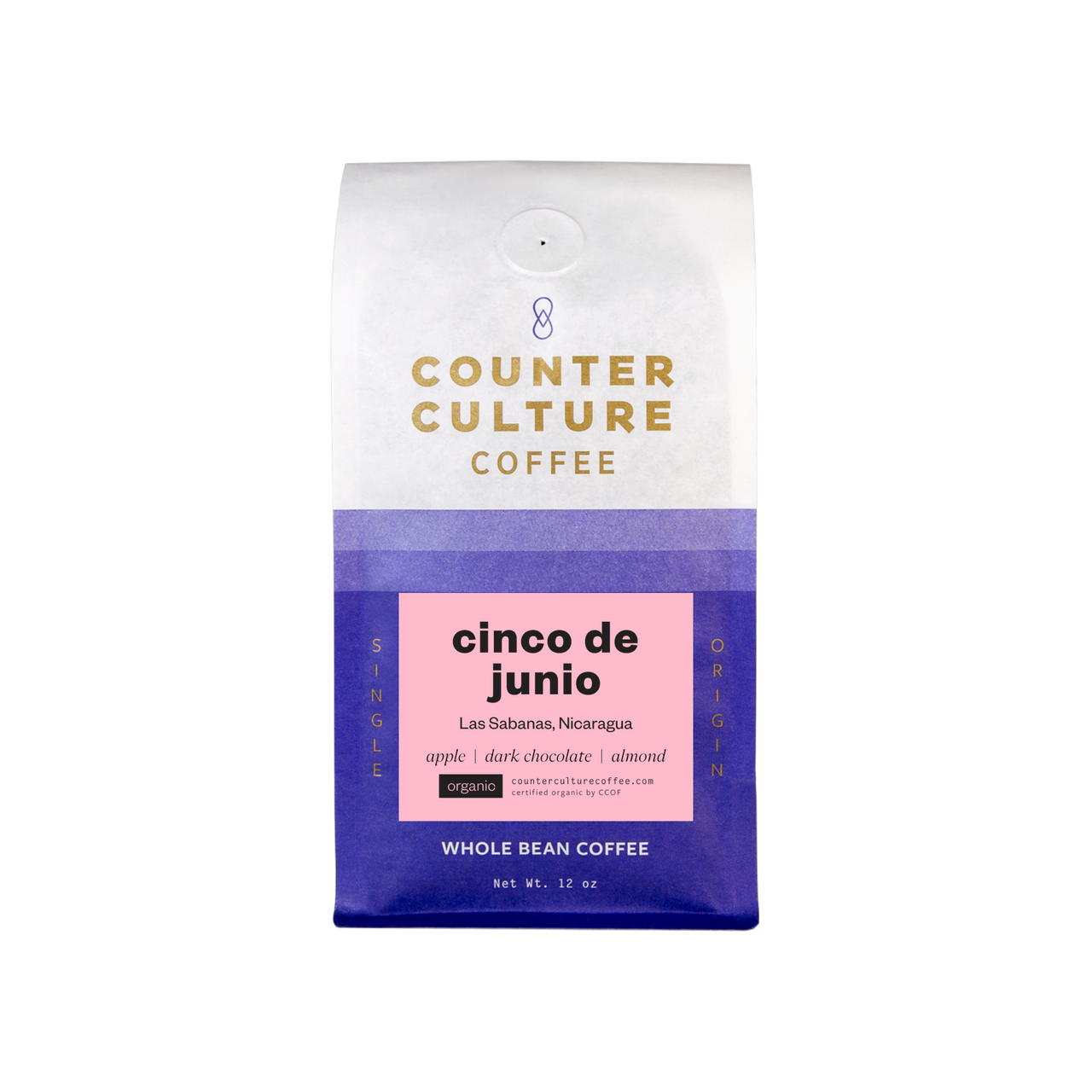
Learn something new, follow the people behind your cup, or explore by flavor and tags.


