
 Editorial illustration
🇵🇪Peru
Peru · Cusco
Peru La Margarita Gesha
Solorzano Family
Onyx Coffee Lab
La Margarita
Gesha· Washed
Explore the profile →
Editorial illustration · not a verified photograph of this location
High-altitude Andean coffees, often organic-certified, with clean sweetness and growing recognition in specialty.
Coffee arrived in Peru during the 1700s, though production remained primarily for domestic consumption until the late 19th century. The industry began to expand as an export-oriented sector when European demand surged following the coffee leaf rust crisis in Indonesia. By the early 20th century, Peru began scaling production, eventually establishing itself as a significant global supplier of Arabica coffee. The sector has since evolved into a major economic pillar, with the country becoming the world's leading exporter of organic and Fair Trade certified coffee. Despite facing modern challenges such as competition from other agricultural exports and fluctuating production costs, Peru maintains its position through a focus on high-altitude, shade-grown specialty beans. Today, the industry is supported by a vast network of smallholder farmers and cooperatives, with national initiatives like the National Coffee Plan 2018-2030 aiming to improve productivity and quality consistency.
Puno is the southernmost significant coffee-growing region in Peru, located on the eastern slopes of the Andes as they descend toward the Amazon basin. Coffee cultivation in this area is characterized by high-altitude conditions and remote geography, particularly within the Sandia province. Producers in this region often farm on small plots, frequently utilizing organic practices. The area has gained recognition for producing high-quality specialty lots that are exported to international markets.
Region guide →Cajamarca is a department in northern Peru that includes Jaén province and the San José del Alto district. Finca La Palestina sits here as a multigenerational, seven-parcel family operation; Counter Culture’s 2025 Marshell lot came from José Praxedes Alarcón’s parcel at 1,750 meters.
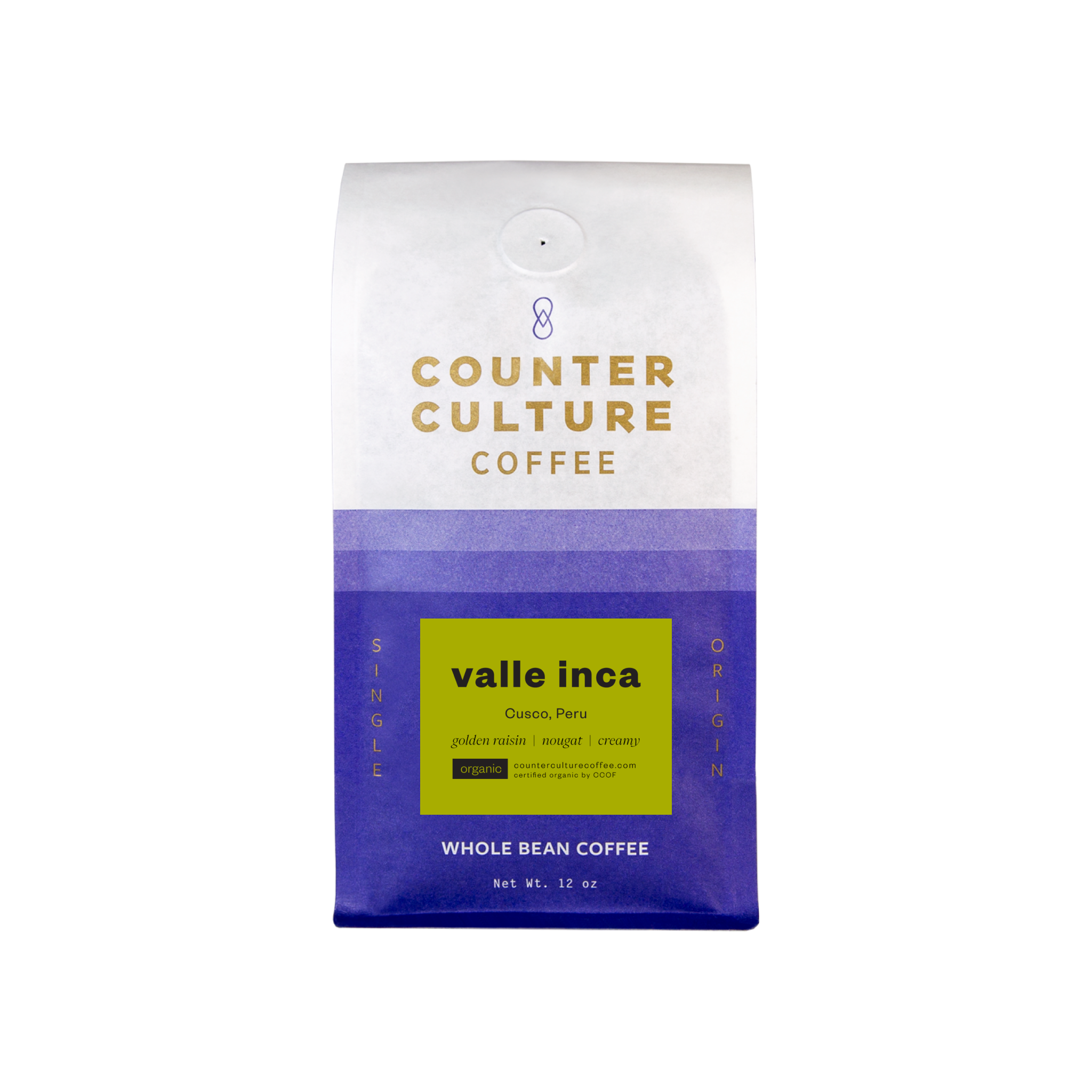
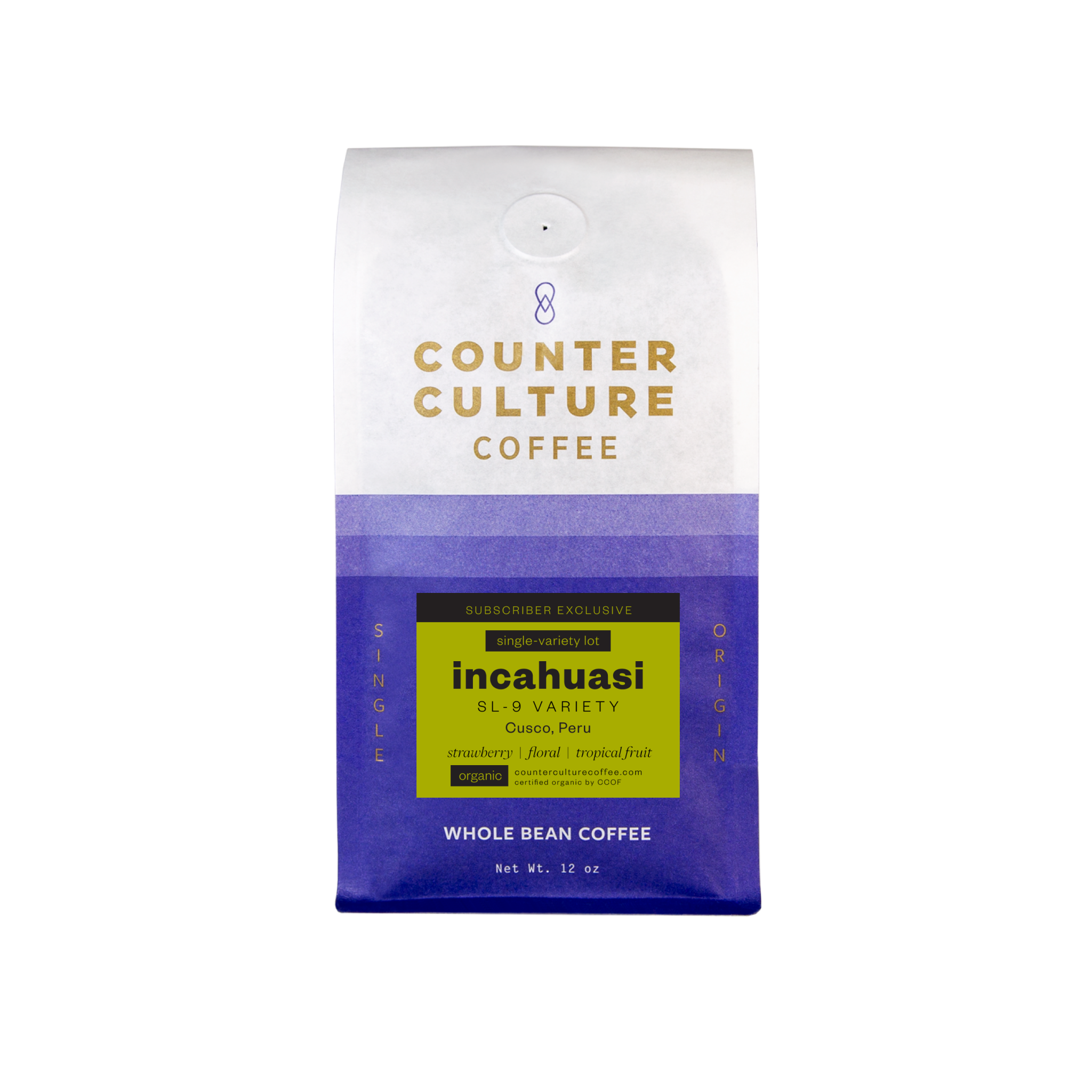
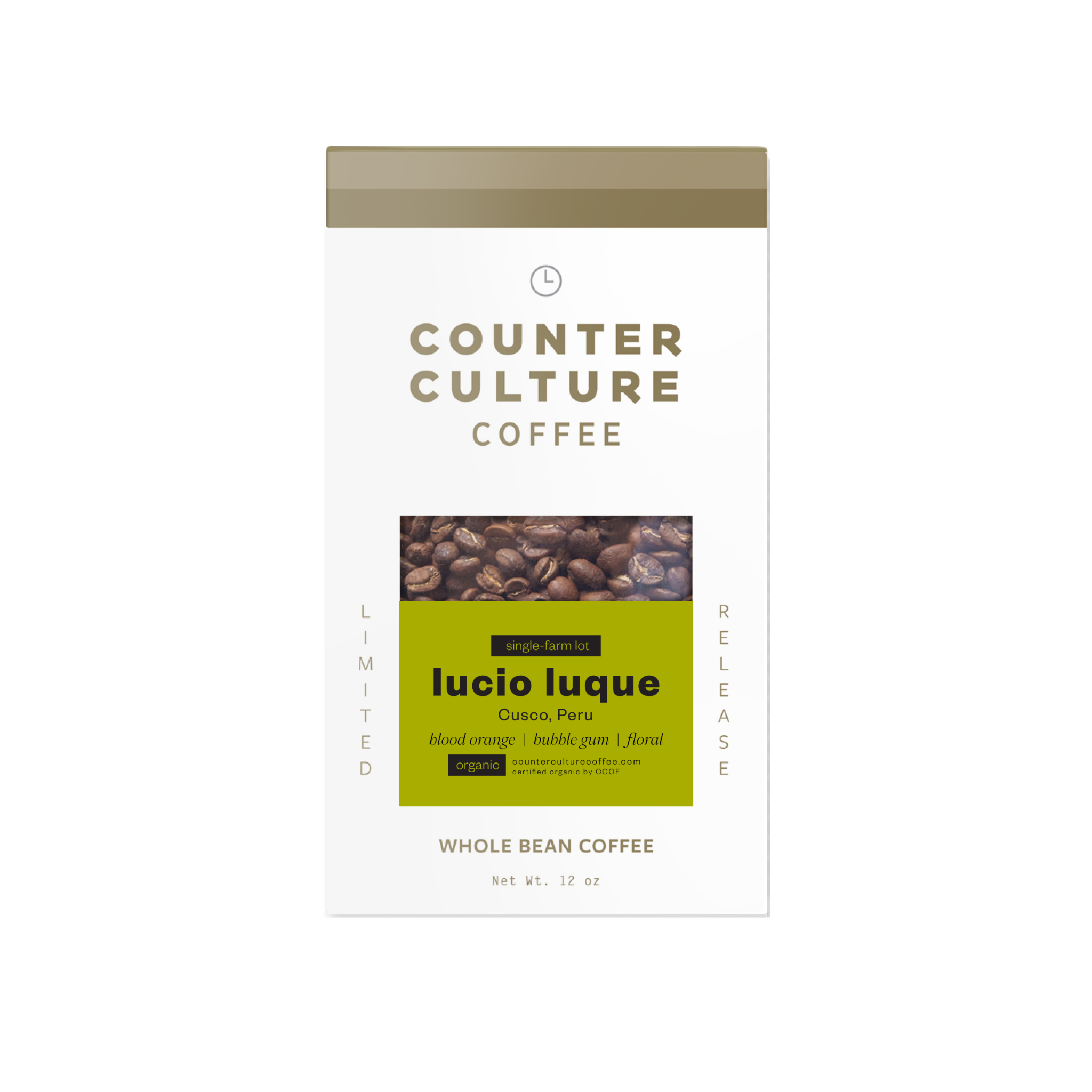
Region guide →Cusco, in Peru's southern highlands, anchors the country's largest coffee-growing corridor through the La Convención valley above Quillabamba, where the Andes descend toward the Amazon lowlands. It is also one of Peru's quietest specialty origins: long established, heavily organic-certified, and for years better known for cooperative volume than single-origin fame. Farms sit commonly between about 1,200 and 2,000 m on steep valley slopes, under native and Inga shade. Old Typica plantings persist alongside Caturra and Bourbon, with Catimor types in newer plots — a varietal mix typical of southern Peru. Growing, harvesting and washing are organized almost entirely through smallholder cooperatives. In the cup, buyers commonly describe Cusco lots as gentle and floral, with mild-to-bright citric acidity and soft fruit over a clean, medium body — a quieter profile than Peru's more marketed regions. That is a general tendency, never a guarantee, and every lot is cooperative- and season-specific.
Region guide →San Martín, on the eastern slopes of the Andes in northern Peru, is one of the country's largest coffee producers by volume — a tropical and sub-tropical growing zone whose main producing areas cluster around Moyobamba, Rioja and Juanjui. Sources place its elevations differently: regional profiles put the broader zone around 900–1,200 m, while origin guides place the main specialty cluster around 1,200–1,800 m — so zone- and farm-level data should be checked lot by lot. The varietal mix leans on Pache, the compact Typica mutation, alongside Caturra and Catimor, processed overwhelmingly as washed coffee through cooperatives. In the cup, San Martín is commonly described as soft and mild, with gentle acidity and a clean, approachable profile — a region whose volume reputation has long overshadowed its better-altitude lots. That is a general tendency, never a guarantee, and every lot is cooperative- and season-specific.
Region guide →Amazonas, in Peru's far north, spreads across seven coffee-producing provinces, but its specialty core is the cloud-forest valleys of Rodríguez de Mendoza — a landscape where coffee grows under mist rather than open sun, on smallholder farms that number in the hundreds per washing station. Documented growing altitudes for the Mendoza valleys run commonly around 1,500–2,000 m, among the more consistent high-altitude windows in northern Peru. The varietal mix is classic northern Peruvian: Bourbon, Caturra and Typica with Pache in many plots, delivered as washed lots through cooperatives of several hundred smallholders. In the cup, buyers commonly describe Amazonas lots as floral and honeyed, with a clean, delicate structure — a profile that has quietly made Rodríguez de Mendoza one of the more sought-after northern names in Peruvian specialty. As always, that is a general tendency, never a guarantee; every lot is cooperative- and season-specific.
Region guide →Chanchamayo province, in Peru's central Junín region, is the historic heart of the country's coffee trade — the cloud-forest valley that built Peru's cooperative export model, together with neighboring Satipo. Coffee arrived here early and never left; much of what the world first tasted as 'Peruvian coffee' came through Chanchamayo's washing stations. The province spans roughly 900–1,800 m, with the specialty lots buyers track most closely coming from mid-to-upper farms around 1,500–2,000 m. Caturra dominates, with Catimor and older Typica plantings alongside; shade-grown washed coffee, processed through cooperatives, remains the standard. In the cup, Chanchamayo is commonly described as balanced and dependable — a mild chocolate-and-nut base with soft, gentle fruit and moderate acidity. It is the profile that made the region a cooperative workhorse rather a competition name, and every lot is cooperative- and season-specific.
Region guide →Editorial illustration
 Editorial illustration
 Editorial illustration


Learn something new, follow the people behind your cup, or explore by flavor and tags.

