4.7
Some related records are temporarily unavailable. Missing regions, coffees or relationships here do not mean they do not exist.

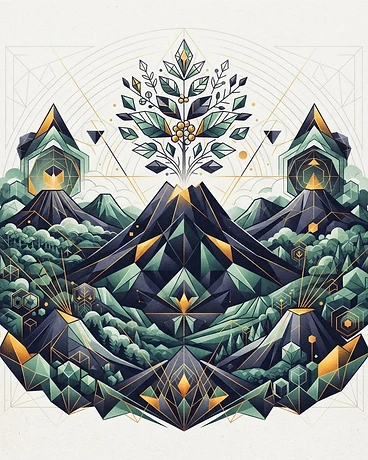
Editorial illustration · not a verified photograph of this location
A small, densely volcanic origin where coffee shaped the national story: Bourbon and its dwarf mutation Pacas dominate old plantings, and the country's breeders gave the world Pacamara. Grown largely on Pacific-facing volcano slopes at moderate to high altitude.
Coffee was first introduced to El Salvador in 1740 from the Caribbean, though its economic potential remained largely unrecognized for over a century. By the 1880s, coffee emerged as the nation's primary export, known as 'El Grano de Oro,' as it replaced the declining indigo industry and spurred the development of essential national infrastructure like roads and ports. The industry experienced a massive boom, with coffee accounting for 90 percent of exports by the 1920s and the country reaching the status of the world's fourth-largest producer by the 1970s. This period of growth was severely interrupted by civil conflict in the 1980s and subsequent global price volatility, which forced the sector to pivot toward quality. In the modern era, El Salvador has solidified its reputation in the specialty market through the adoption of high-quality varieties like Pacamara and the implementation of the Cup of Excellence program in 2004, which helped re-establish the country as a premier origin for specialty coffee.
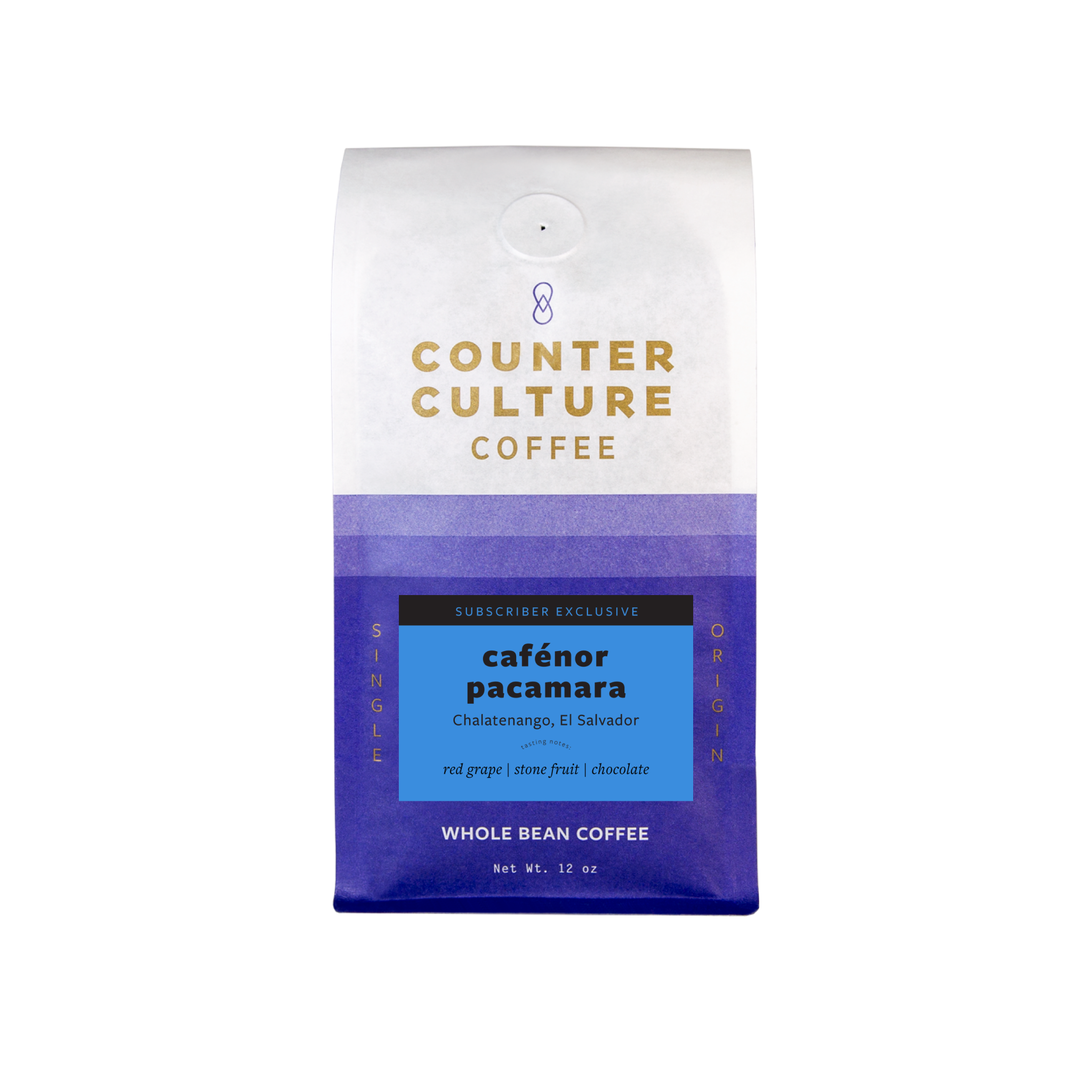
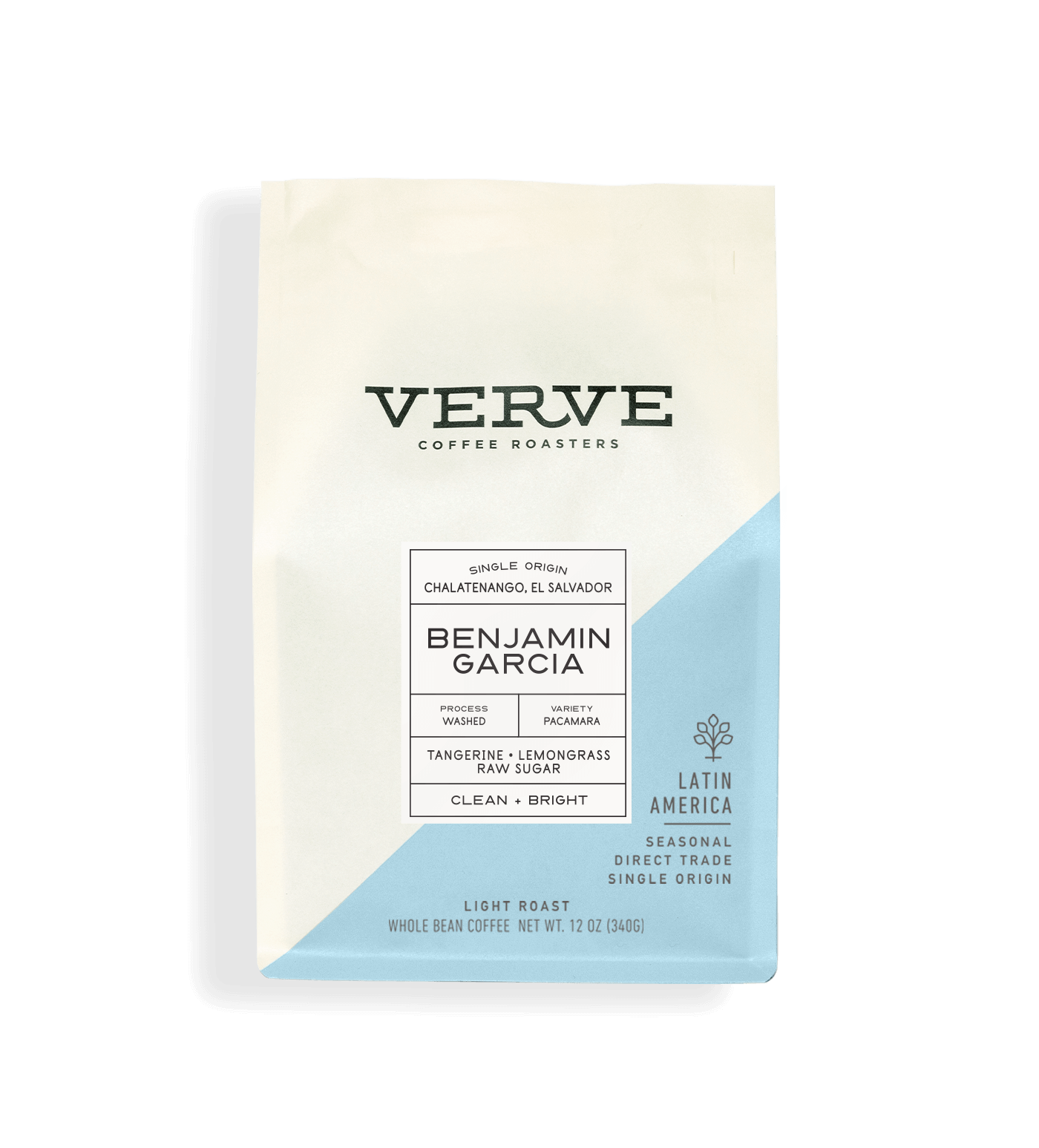
Chalatenango is a coffee-producing department in northern El Salvador. Counter Culture’s documented Arnulfo Días Pacamara lot grew here between 1,550 and 1,600 meters and was harvested from January through March 2025. CaféNor works with producers in the department through traceable specialty-lot separation.
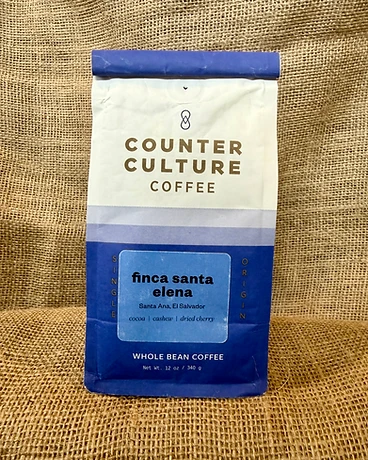
Region guide →Santa Ana is a cornerstone of El Salvador’s coffee production, situated within the Apaneca-Ilamatepec mountain range. The region is defined by the dramatic, high-altitude slopes of the Santa Ana (Ilamatepec) volcano, where coffee thrives in nutrient-dense volcanic soil. This geography, combined with a climate that benefits from the cooling influence of the Pacific and the protection of native shade canopies, creates an ideal environment for slow-maturing coffee cherries that develop complex sugars and structured bodies. The coffee from Santa Ana is celebrated for its classic, elegant profile, often characterized by deep notes of dark chocolate, caramel, and toasted almond, balanced by a refined acidity reminiscent of red apple or stone fruits. The region is home to historic estates, such as Finca La Reforma, which has been managed by the Alvarez family for over a century, and numerous smallholder farms that utilize traditional washed and natural processing methods to highlight the inherent sweetness of the local varieties.
Region guide →Apaneca-Ilamatepec is an official Salvadoran coffee denomination covering a volcanic growing corridor in western El Salvador. The protected zone begins at 900 meters and includes the municipality of Apaneca in Ahuachapán. The For Five coffee is identified more narrowly with Apaneca.
Region guide →Learn something new, follow the people behind your cup, or explore by flavor and tags.